
Plants
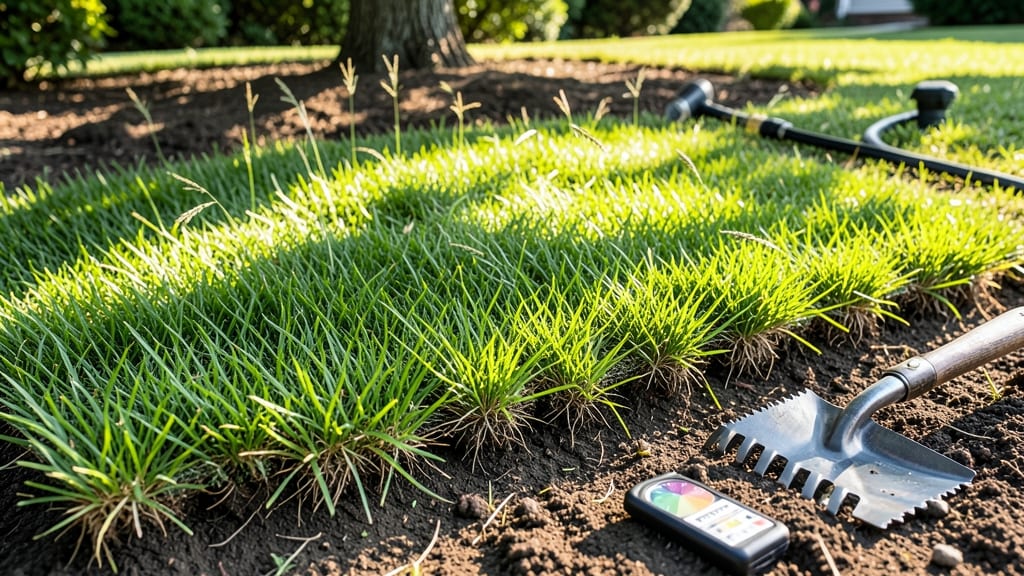
If you're dreaming of a lush, green Bermuda grass lawn in Texas, when is the best time to plant Bermuda grass isn’t just about avoiding frost (though that’s critical), but about catching the perfect window when soil temperatures hit 65°F+ and stay there consistently.
Most Texas gardeners swear by late spring to early summer (March to June) as the ideal planting window, but here’s the catch: North Texas and South Texas don’t play by the same rules.
What works in Zone 8a might leave your 🌱 Bermuda grass struggling in Zone 10b if you’re not careful. The key? Planting when the ground is warm enough for deep root growth—but not so hot that your new grass wilts before it takes hold.
I’ve seen firsthand how a few weeks’ difference can mean the difference between a vibrant lawn and one that fights for survival. Whether you’re planting seed or sod, the right timing ensures your Bermuda grass establishes strong roots, outcompetes weeds, and thrives through Texas summers.
Let’s break down the exact months (and what to watch for) so you can skip the guesswork and get it right the first time.
Ready to transform your yard? We’ll cover regional variations, soil prep secrets, and even how to adjust for Texas’ unpredictable weather—so your grass doesn’t just survive, but thrives.
Optimal planting months for Bermuda grass in Texas by region (with exact dates)
Bermuda grass (Cynodon dactylon) is Texas’ go-to lawn choice for its heat tolerance and drought resistance—but timing your planting is everything. Plant too early, and you risk frost damage; too late, and your grass struggles to establish before summer’s brutal heat.
The key is planting when soil temperatures hit 75°F+ and stay consistent, ensuring deep root growth before peak summer demands.
Texas’ diverse climate means planting windows vary dramatically from North Texas’ cooler springs to South Texas’ early heat spikes. We’ll break down exact months for each region, plus critical soil temperature thresholds and whether to use seed or sod for best results.
Pro tip: Bermuda grass seeds need warmer soil (75°F+) to germinate, while sod can handle slightly cooler conditions (65°F+).
Here’s your region-by-region planting calendar, including ideal months, soil prep tips, and heat zone considerations to avoid common mistakes like weak establishment or summer stress.
North Texas gardeners should wait until after May 1 to plant Bermuda grass seeds, as April’s unpredictable frosts can kill young sprouts. The Dallas-Fort Worth area (Zone 8a) often sees late frosts until mid-April, so sod is the safer bet for early planting.
For seeds, aim for late May to early June when soil temperatures consistently exceed 80°F, ensuring robust root development before summer’s peak heat.
Central Texas—think Austin and San Antonio (Zones 8b-9a)—has a slightly earlier window, with April 15 to May 30 being ideal for both seed and sod. Here, the risk isn’t frost but unpredictable spring rains, which can wash away seeds or create soggy soil conditions.
If you’re planting seeds, consider a starter fertilizer with high phosphorus (P) to encourage root growth during this critical window.
South Texas homeowners in Houston, Corpus Christi, and the Rio Grande Valley (Zones 9a-10b) can plant as early as mid-March, but timing is tricky. The region’s rapid temperature swings mean soil can warm quickly—check for 65°F+ before planting seeds.
For sod, April is ideal, as it gives the grass time to establish before the 100°F+ summers. Pro tip: Irrigate deeply 2-3x weekly during establishment to combat South Texas’ intense evaporation rates.
Don’t overlook late summer planting (August–September), which is perfect for overseeding existing Bermuda lawns or repairing thin patches. This window works best with sod or sprigging, as seeds struggle to germinate in the oppressive heat. Focus on even soil moisture
How to prepare your Texas lawn for Bermuda grass success (step-by-step)
Getting your Texas lawn ready for Bermuda grass isn’t just about timing—it’s about creating the perfect foundation. Before you even think about planting, focus on soil health, weed control, and irrigation setup.
These steps ensure your grass establishes deep roots and thrives during Texas’ brutal summer heat. Skipping prep work often leads to patchy growth or even total failure, so let’s tackle this systematically.
First, test your soil pH—Bermuda grass prefers a range of 6.0 to 7.0. If your soil is too acidic or alkaline, amend it with lime (for acidity) or sulfur (for alkalinity) at least 4-6 weeks before planting.
This gives the soil time to adjust and avoids shocking your new grass. Use a DIY soil test kit or send a sample to your local Texas A&M AgriLife Extension for precise results.
Next, eliminate weeds—they compete for nutrients and water, stunting your Bermuda’s growth. Apply a pre-emergent herbicide like pendimethalin or prodiamine 2-3 weeks before planting. For existing weeds, spot-treat with glyphosate (like Roundup) and let the area recover for 7-10 days before planting.
Avoid post-emergent herbicides after planting, as they’ll harm your new grass.
🌱 Step-by-Step Prep for Bermuda Grass in Texas
-
Step 1: Test Soil pH
Use a soil test kit to check pH. Aim for 6.0-7.0. Amend with lime or sulfur if needed, and wait 4-6 weeks for adjustment.
-
Step 2: Clear and Loosen Soil
Remove debris and aerate compacted soil to a depth of 3-4 inches. Use a core aerator for best results.
-
Step 3: Apply Pre-Plant Fertilizer
Spread high-phosphorus fertilizer (e.g., 16-4-8) at 1 lb per 100 sqft to boost root growth. Water lightly to activate.
-
Step 4: Set Up Irrigation
Install a drip irrigation system or adjust sprinklers to deliver 1-1.5 inches of water per week. Schedule watering in the early morning to reduce evaporation.
-
Step 5: Time Your Planting
Plant seeds when soil temps reach 65°F+ (late spring to early summer). For sod, wait until 75°F+ (June-July) for faster establishment.
Don’t overlook soil aeration—compacted soil suffocates roots and slows Bermuda’s aggressive spread. Rent a core aerator and work it over your lawn 2-3 weeks before planting. This creates channels for roots to penetrate deeply, which is crucial for drought resistance.
If your soil is particularly heavy clay, mix in compost or sand to improve drainage.
Finally, set up your irrigation system before planting. Bermuda grass needs deep, infrequent watering to encourage roots to grow downward. Install a smart sprinkler controller or drip system to deliver 1-1.5 inches of water per week, adjusting for rainfall.
Water in the early morning to minimize evaporation and fungal risks. Pro tip: Use a rain gauge to monitor watering accuracy—overwatering is a common mistake that leads to shallow roots.
With these steps complete, your lawn will be primed for Bermuda grass success. The key is patience—rushing prep work or planting at the wrong time will leave your grass struggling.
Stick to the 65°F+ soil temperature rule and watch your lawn transform into a dense, drought-resistant carpet by summer. 🌿