
Plants
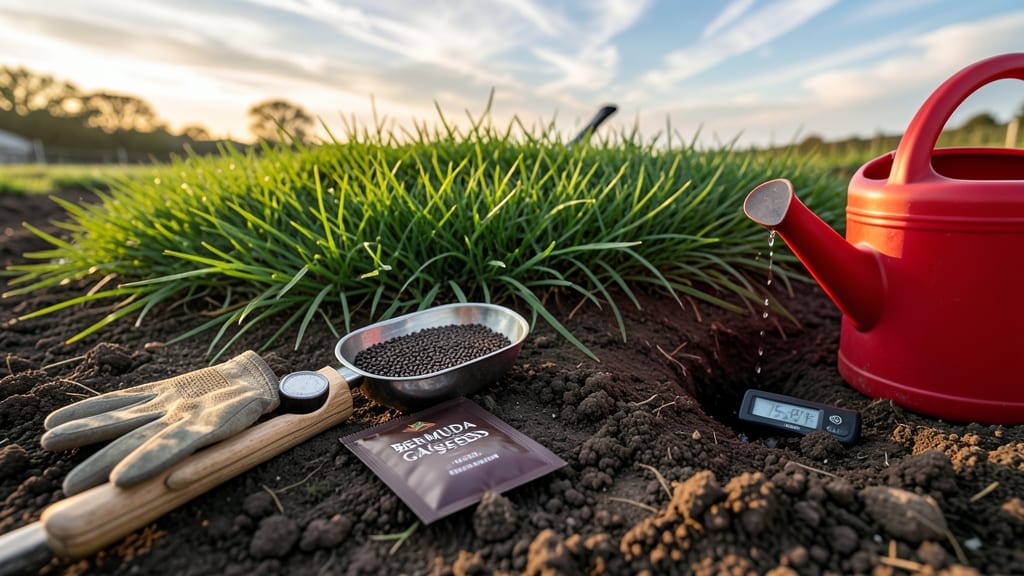
Planting Bermuda grass seeds at the wrong time in Texas can turn your dream of a lush, green lawn into a frustrating battle against heat and weeds. The key to success lies in timing—specifically, waiting until after the last frost when soil temperatures hit 65°F or higher.
For Texas gardeners, that ideal window typically falls between late April and early June, aligning with the state’s 8a-10b climate zones. Planting too early risks exposing tender seedlings to late frosts, while waiting too long may mean battling summer heat before your grass establishes strong roots.
Why does this matter? Bermuda grass thrives under Texas’s intense sun, but it needs a head start to outcompete weeds and drought. By planting during this fast-growing window, you’ll see quicker germination and a thicker lawn that stays resilient through the hottest months.
In this guide, I’ll break down the best months by region, soil prep tips, and how to avoid common mistakes—so you can skip the guesswork and get a lawn that’s the envy of the neighborhood.
Best months to plant Bermuda grass seeds in Texas (by region)
Texas stretches from freeze-prone North Texas to tropical South Texas, and each region demands a different strategy for planting Bermuda grass seeds. The key? Timing your planting to match soil temperatures of 65°F+ and avoiding late spring frost risks or summer heat stress.
In my experience, the best window is late April to early June, but regional adjustments are critical.
For North Texas (USDA Zones 7b-8a), where frost lingers until mid-March, aim for late April to early May. Wait until soil warms consistently above 65°F—cold soil slows germination and invites fungal diseases.
In Central Texas (Zones 8a-8b), you’ve got more flexibility, with May to early June being ideal. Meanwhile, South Texas (Zones 9a-10b) gardeners can plant as early as late March but must watch for unpredictable rainfall.
Here’s the breakdown by region—including how to adjust if you’re planting early or late—so you can avoid common pitfalls like patchy germination or weed competition.
| Region | USDA Zone | Best Planting Window | Soil Temp Threshold | Key Risks | Adjustments |
|---|---|---|---|---|---|
| North Texas | 7b-8a | Late April–Early May | 65°F+ (consistent) | Late frost, slow soil warming | Use black plastic mulch to warm soil faster |
| Central Texas | 8a-8b | May–Early June | 68°F+ (ideal) | Weed competition, summer drought | Pre-emergent herbicide before planting |
| South Texas | 9a-10b | Late March–April | 70°F+ (fast germination) | Heavy rains, fungal diseases | Plant in raised beds for drainage |
| All Regions (Late Planting) | N/A | July–August | 75°F+ (high risk) | Heat stress, weed dominance | Use shade cloth until established |
If you’re in North Texas and eager to plant early, use black plastic mulch to raise soil temperatures by 10-15°F—this can shave weeks off your waiting game. I’ve seen gardeners in Amarillo plant as early as mid-April with this trick, but always confirm with a soil thermometer.
For Central Texas, like Austin or San Antonio, May is your sweet spot. The soil is warm, but the rainfall is reliable, reducing the need for constant irrigation.
Pro tip: Overseed in late summer (August) if your lawn thins—Bermuda grass goes dormant in winter, so this gives it a head start for spring.
In South Texas, where Houston and Corpus Christi enjoy milder winters, you can plant as early as late March. However, the region’s humidity and frequent rains increase the risk of fungal diseases like brown patch.
To combat this, I recommend raising beds 2-3 inches to improve drainage and watering deeply but infrequently.
What if you miss the ideal window? Late planting in July or August is possible but risky. Seeds struggle to germinate in 100°F+ soil, and weeds like crabgrass will outcompete your Bermuda.
If you must plant late, use shade cloth (30-50%) until seedlings are 2-3 inches tall, then gradually remove it over 2 weeks to harden them off.
One mistake I’ve seen new Texas gardeners make is planting too early in hopes of a head start. Cold soil ties up nutrients, and seeds rot before germinating.
Always check the 6-inch soil temperature—if it’s below 65°F, wait. Use a soil thermometer or local AgriLife Extension reports for real-time data.
Finally, don’t overlook pre-planting prep. Bermuda grass thrives in well-draining, slightly acidic soil (pH 6.0-7.0). Test your soil 2-3 weeks before planting and amend with com
How soil temperature and weather affect Bermuda grass seed germination
Bermuda grass seeds need warm soil and consistent moisture to sprout successfully, but Texas’s unpredictable weather can derail even the best-laid plans. If you plant too early, seeds may rot from cold soil or fail to germinate.
Too late, and the summer heat can stress young seedlings before they establish roots.
For optimal germination, aim for soil temperatures above 65°F—this threshold ensures seeds break dormancy and sprout within 7–14 days. In most of Texas, this window aligns with late April to June, but timing varies by region.
North Texas may need to wait until May, while South Texas can start as early as April.
⚠️ callout-warning ⚠️
Bermuda grass seeds planted in cool soil (below 60°F) risk rot and fungal diseases. Even if daytime temps feel warm, soil stays cool until late spring. Use a soil thermometer to confirm warmth—don’t guess!
Pro Tip: If soil temps drop below 65°F at night, delay planting until conditions stabilize.
Rainfall plays a critical role too—Bermuda grass seeds need 1–1.5 inches of water weekly during germination. Texas’s erratic spring showers can leave seeds parched or waterlogged.
If natural rain isn’t reliable, set up a light sprinkler system on a daily schedule (early morning) to keep soil evenly moist without drowning seeds.
Preparing your lawn is just as important as timing. Start by mowing existing grass short (1–2 inches) and removing debris to create a clean seedbed. Loosen soil with a rake or core aerator to improve seed-to-soil contact, which is crucial for uniform germination.
A thin layer of compost or starter fertilizer adds nutrients without overwhelming tender sprouts.
After planting, monitor weather forecasts closely. Heatwaves above 90°F can stress young seedlings, while prolonged cloud cover delays germination. If high temps arrive, provide light shade cloth during peak afternoon hours until seedlings are 2–3 inches tall. Mulch lightly with straw to retain moisture and regulate soil temperature.
Finally, avoid the temptation to overseed in late summer or fall. Bermuda grass goes dormant in cooler months, and seeds planted then won’t establish before winter. Stick to spring planting, and you’ll see thick, weed-resistant growth by summer—just in time to beat the Texas heat! 🌱