
Plants
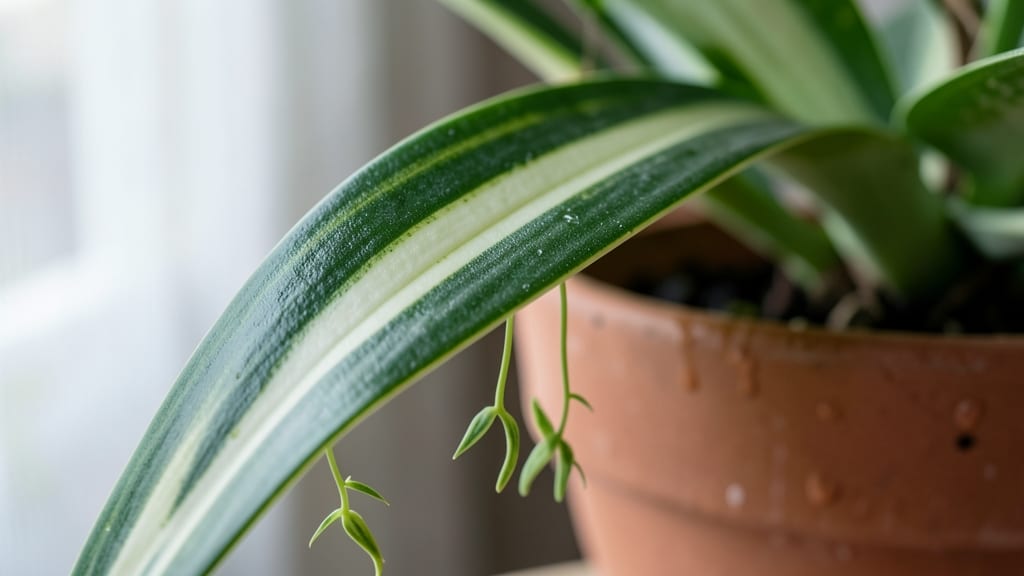
If you’re wondering how much light does a spider plant need indoors, the answer is simpler than you think—this hardy plant thrives in bright indirect light, but most people either smother it in harsh sun or leave it in a dim corner, both of which stunt its growth.
Here’s the secret: Spider Plants are adaptable, but they crave that sweet spot near a window where sunlight dances softly—not burns. Too little light, and you’ll get leggy, weak stems.
Too much direct sun, and those pretty stripes turn crispy. Let’s fix that with simple, science-backed tips to keep your plant perky year-round.
Whether you’re dealing with a north-facing window or a cozy corner far from natural light, I’ll show you exactly where to place your Spider Plant 🌿 for lush, happy growth. No guesswork—just results.
Ready to transform that droopy plant into a thriving, baby-spider-producing powerhouse? Let’s dive into the light conditions that’ll make all the difference.

Spider plant light requirements: ideal sunlight conditions for healthy growth
If you're wondering how much light does a spider plant need indoors, the answer lies in understanding its natural habitat. Native to Southern Africa, spider plants (Chlorophytum comosum) thrive in dappled shade under taller trees.
Replicating this environment indoors means finding the perfect balance of bright indirect light—never harsh direct sun. Too little light leads to leggy growth, while too much causes leaf burn. Let's break down the ideal conditions to keep your plant lush and vibrant.
Spider plants are incredibly adaptable, making them perfect for beginner gardeners. They can survive in low-light conditions, but their growth and color intensity will suffer. For optimal health, aim for 4-6 hours of bright indirect sunlight daily.
This could mean placing your plant near an east-facing window or a few feet back from a south-facing window. The key is avoiding direct rays, which can scorch the leaves. Think of it like giving your plant a gentle sunbath—just enough to keep it happy without overdoing it.
Where to place your spider plant for ideal light depends on your home's natural light sources. North-facing windows provide the most consistent soft, indirect light, while east-facing windows offer morning sun that's perfect for gradual exposure. West-facing windows can work but may require sheer curtains to diffuse the afternoon heat. South-facing windows are the riskiest, as they often deliver intense midday sun. Always rotate your plant quarter-turns every few weeks to ensure even growth.
For apartment dwellers or those in low-light homes, don't despair! Spider plants can tolerate artificial lighting, though natural light is always best. Position your plant 6-12 inches from a fluorescent or LED grow light for 12-14 hours daily.
If you notice stretched or pale leaves, it's a sign your plant needs more light. Conversely, if the leaves develop brown patches or curl, move it away from the window or add a sheer curtain to filter the light.
Seasonal changes also affect light exposure. During winter months, when daylight is shorter, supplement with a grow light or rotate your plant closer to the window. In summer, when the sun is intense, watch for signs of heat stress like drooping leaves or yellowing.
Adjust by moving the plant further from the window or using a light filter. Pay attention to how your plant reacts—it will tell you exactly what it needs.
Pro tip: If you're unsure about your home's light conditions, use a light meter app to measure foot-candles in potential spots. Aim for 500-1,000 foot-candles for optimal spider plant growth. For reference, a typical office has about 500 foot-candles, while a brightly lit room can reach 1,000 or more.
This simple tool takes the guesswork out of finding the perfect spot for your plant.
Remember, patience is key when adjusting your spider plant's light exposure. If you move it to a brighter spot, do so gradually over 1-2 weeks to avoid shocking the plant.
Similarly, if you're bringing it in from outdoors, acclimate it indoors by placing it in a shady spot first before moving it to its permanent location. This slow transition helps prevent leaf scorch or stress-related wilting.
Lastly, don't overlook the psychological benefits of placing your spider plant in the right spot. A well-lit plant not only grows better but also boosts your mood by adding life to your space.
Try placing it in a sunny kitchen nook or near a home office window where you'll see it daily. The visual satisfaction of watching your spider plant thrive under ideal light conditions is unmatched.
With these light requirements in mind, your spider plant will reward you with lush green foliage, arching "spiderettes", and
Signs your spider plant isn’t getting enough (or too much) light
Your spider plant (Chlorophytum comosum) might be silently screaming for help if its leaves are telling a different story than you expected. Yellowing leaves or brown tips aren’t just cosmetic—they’re visual cues your plant needs a light adjustment.
Even slow growth or stretched-out foliage signals it’s struggling to find its sweet spot.
Seasonal changes can throw off your plant’s light balance. What worked in summer might leave it wilting in winter when sunlight weakens. Understanding these signs helps you act fast—before your spider plant throws in the towel. Let’s decode the clues and fix them together.
How Much Light Does a Spider Plant Need Indoors?
✅ PROS of Proper Light
- Vibrant foliage stays green and healthy
- Faster growth with lush, compact leaves
- Fewer pests due to strong plant resilience
- More spiderettes (baby plants) for propagation
❌ CONS of Improper Light
- Yellow leaves from too much direct sun
- Brown tips from low humidity + light stress
- Leggy growth when stretched toward light
- Pale or weak foliage from insufficient light
💡 Ideal Light Conditions
Bright indirect light (e.g., east or north-facing windows) is perfect. Avoid south-facing windows in hot climates—direct sun burns leaves. In low-light areas, supplement with grow lights 12–14 hours/day.
If your spider plant’s leaves are turning yellow with green stripes, it’s likely getting too much direct sunlight. Move it further from the window or use a sheer curtain to diffuse harsh rays. Brown tips paired with dry soil?
That’s a classic sign of low humidity + light stress—try misting leaves or placing a pebble tray nearby.
For slow growth, check if your plant is stretching toward a light source. This means it’s reaching for more light but not getting enough. Rotate the pot quarter-turns weekly to encourage even growth, and consider moving it closer to a brighter window (but never in direct sun).
Winter brings weaker sunlight, so your spider plant might slow down or drop leaves. This is normal—just reduce watering and avoid fertilizing until spring. If growth stalls completely, supplement with a grow light for 6–8 hours daily to keep it thriving.
Pro tip: Test your plant’s light by observing its leaves. Healthy foliage should be bright green with white stripes. If you see dull or dark green leaves, it’s time to find a brighter spot. With these adjustments, your spider plant will bounce back in no time!