
Plants
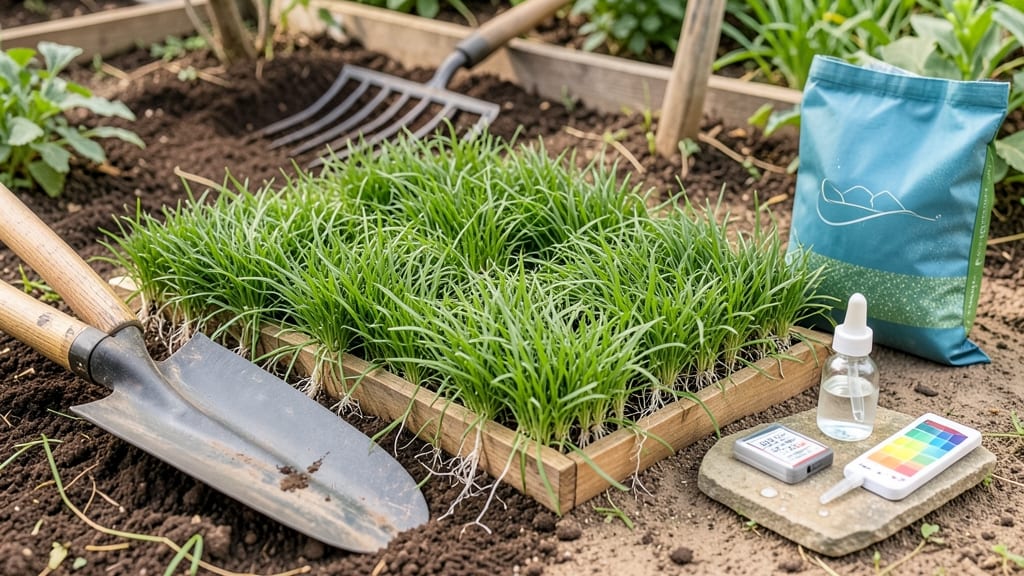
Timing your Bermuda grass 🌱 planting just right in Oklahoma can mean the difference between a lush, drought-resistant lawn and a struggle to keep it alive.
The best time to plant Bermuda grass in Oklahoma isn't a one-size-fits-all answer—it depends on your specific county and soil conditions, but generally, late spring to early summer (April–June) gives you that perfect window for strong root growth.
If you're in northern Oklahoma (zones 6a-7a), wait until soil temperatures hit at least 65°F—usually around mid-April—to avoid early frost risks. Meanwhile, southern Oklahoma (zones 7b-8a) can start as early as March when the ground warms up.
Getting this timing right is the key to avoiding weak seedlings and ensuring your grass establishes deep roots before summer heat sets in.
But here's the thing: even the best-laid plans can go wrong if you skip the prep work. Proper soil testing, fertilization, and irrigation strategies make all the difference in helping Bermuda grass take hold.
I’ll walk you through exactly what to do before, during, and after planting to give your lawn the strongest start possible—no guesswork involved.
Ready to transform your Oklahoma yard into a vibrant Bermuda grass oasis? Let’s break down the county-specific deadlines, soil prep secrets, and care tips that’ll have your grass thriving all summer long.
Oklahoma county-specific planting deadlines for Bermuda grass success
Timing your Bermuda grass planting in Oklahoma makes all the difference between a weak, patchy lawn and a dense, drought-resistant turf.
The state’s diverse climate zones (USDA 6a–8a) mean deadlines vary by county—northern regions like Oklahoma City need later starts, while southern counties like Lawton can plant weeks earlier. The key? Soil temperatures above 65°F (18°C) and consistent sunlight exposure.
Bermuda grass thrives in full sun and warm soil, so planting too early risks poor germination or fungal diseases. Conversely, waiting too long can leave your lawn vulnerable to weeds or summer heat stress.
My research shows March–April is ideal for southern Oklahoma, while April–May works best for northern areas. Let’s break it down by region to ensure your Bermuda grass gets the strongest start possible.
🌱 Key Insight: Bermuda grass seeds need consistent warmth to sprout—soil thermometers are your best friend for tracking progress. Aim for 70°F+ (21°C+) for optimal germination rates.
For northern Oklahoma, like Oklahoma City, aim to plant after April 15 to avoid late spring frosts. The soil temperature is your best guide—wait until it consistently stays above 65°F (18°C) during the day.
In central Oklahoma, counties like Moore can start as early as April 1, but soil warmth is critical for seed viability.
Southern regions, including Lawton and Altus, can plant as early as mid-March thanks to warmer soils. However, humidity levels in areas like Tulsa may require fungicide treatments to prevent disease. Always test your soil’s moisture retention—Bermuda grass needs well-draining soil but consistent hydration during establishment.
⚠️ Pro Tip: If planting sod instead of seed, shift your timeline 2–3 weeks earlier. Sod establishes faster and can tolerate slightly cooler soils, giving you a head start on weed competition.
Once your Bermuda grass is planted, water deeply (1 inch per week) for the first 4–6 weeks to encourage root development. Avoid overwatering, which can lead to shallow roots and disease susceptibility.
In southern Oklahoma, reduce watering slightly after June 1 to harden off the grass for summer droughts.
After establishment, mow regularly (set blades to 1–1.5 inches) to promote dense growth and drought resistance. In northern counties, a late summer fertilization (August) helps strengthen roots before fall dormancy. Southern regions may benefit from early spring feeding to jumpstart growth.
Missed the ideal window? Don’t panic. Spring-planted Bermuda grass can still thrive if you water consistently and protect from weeds. However, planting after June 1 risks poor root establishment before first frost
How to prepare your soil and lawn for Bermuda grass planting
Bermuda grass thrives in Oklahoma's hot climate, but only if your soil is properly prepared. The key to a lush, drought-resistant lawn starts with testing and amending your soil before planting. Ideal soil conditions include a pH between 6.0 and 7.0 and well-draining, sandy loam.
Without these, your grass will struggle to establish deep roots, leaving it vulnerable to heat stress and weeds.
Start by removing all existing vegetation, rocks, and debris from your lawn area. This isn't just about clearing space—it's about giving your Bermuda grass seeds or sod the best possible start. Use a broadfork or till to loosen the top 6 inches of soil, breaking up compacted layers.
This aeration helps roots penetrate deeper and improves water absorption during Oklahoma's dry spells.
Now let's dive into the step-by-step process to ensure your lawn is ready for planting:
After planting, maintain consistent moisture for the first 4-6 weeks to encourage deep root growth. Once established, Bermuda grass becomes drought-tolerant, but proper soil preparation ensures it survives Oklahoma's 100°F+ summers without browning. Remember, healthy soil equals healthy grass—so don't skip the testing and amending steps!
For best results, schedule your planting after the last frost (typically mid-April to early May in Oklahoma) when soil temperatures reach 65°F (18°C). This timing aligns with Bermuda grass's natural growth cycle, giving it the 6-8 weeks of warm weather it needs to establish before summer heat arrives.