
Planting
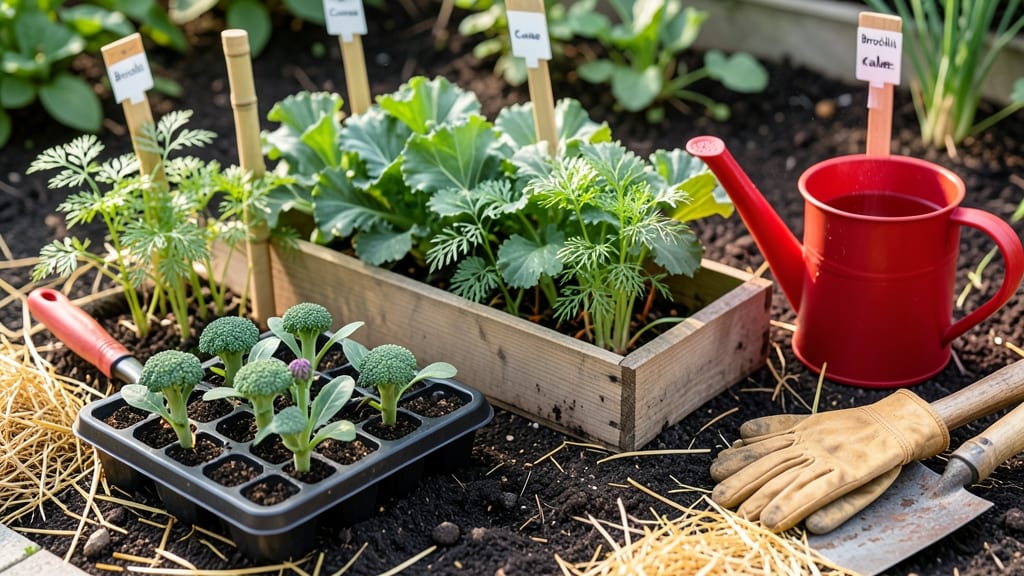
Planting your fall garden in Central Texas at the wrong time could mean the difference between a bountiful harvest and a sad pile of wilted greens.
With 8a-9a zone temperatures still lingering in the 90s by late summer, timing is everything—and missing the window by even a week can leave you scrambling.
Most gardeners assume you can just pop seeds in the ground whenever you feel like it, but 🥬 fall vegetables like kale, broccoli, and carrots need cool soil and shorter days to thrive.
If you plant too early, the heat will stress your crops; too late, and frost will cut their growth short before they mature. The sweet spot? Mid-August to early October, when daytime highs dip into the 80s and nights cool down.
Here’s the game-changer: I’ll break down the exact month-by-month schedule for Central Texas, so you know which crops to start when—whether you’re sowing seeds directly or transplanting seedlings.
Plus, I’ll share how to adjust for your specific microclimate, whether you’re in Austin’s urban heat island or the cooler hills near Fredericksburg.
Ready to avoid the common mistakes that waste half of all fall gardens? Let’s get you planting with confidence so you can enjoy fresh, homegrown 🥬 from October straight through December.
Central Texas fall planting calendar: exact months by vegetable type
Fall gardening in Central Texas rewards patience with crisp harvests, but timing is critical. The first frost typically arrives around November 15, giving you a 6-8 week window to plant cool-season crops.
For Austin, San Antonio, and Waco, heat tolerance varies—some plants bolt in 90°F+ while others thrive until frost. Start by noting your last frost date (March 15) to calculate backward for ideal planting.
Leafy greens like lettuce and spinach are your fastest growers, maturing in 30-45 days. Root crops such as carrots and beets need 60-75 days to reach harvest size. Brassicas like broccoli and kale tolerate light frosts and can even sweeten after a 28°F chill.
Herbs like cilantro and parsley bolt quickly in heat, so plant them in September for best results.
Here’s your Central Texas Fall Planting Calendar, broken down by crop type with exact months and heat tolerance thresholds:
| Crop Type | Planting Window | Heat Tolerance | Days to Harvest | Notes |
|---|---|---|---|---|
| Leafy Greens (Lettuce, Spinach, Kale) | Mid-August to early October | Bolt at 85°F+ | 30-50 days | Use shade cloth for late August plantings |
| Root Crops (Carrots, Beets, Radishes) | Late August to mid-September | Thrive in 70-80°F | 45-75 days | Loosen soil to prevent forking |
| Brassicas (Broccoli, Cabbage, Cauliflower) | Early August to early September | Tolerate 50-80°F | 60-90 days | Head varieties need consistent moisture |
| Herbs (Cilantro, Parsley, Dill) | September to early October | Bolt at 80°F+ | 30-60 days | Succession plant every 2 weeks |
| Peas & Beans (Green Beans, Snow Peas) | Mid-September to early October | Tolerate 70-75°F | 50-60 days | Plant after soil temps drop below 85°F |
For leafy greens, start seeds indoors in late July to transplant by mid-August. Radishes are the fastest crop—plant them every 2 weeks for continuous harvests. If you’re in a hotter microclimate (like urban San Antonio), use shade cloth to protect seedlings from 90°F+ afternoon sun.
Brassicas like broccoli and cabbage need 60-90 days to mature, so plant them by early September at the latest. These crops actually sweeten with frost, making them ideal for late fall. If you’re in Waco’s cooler zones, you can push planting to mid-September without risking frost damage.
Herbs like cilantro and parsley are tricky—they bolt (go to seed) quickly in heat. Plant them in September for a 60-day window before temperatures drop too low. For a second crop, try late October plantings, which may survive light frosts and regrow in spring.
Root crops like carrots and beets thrive in 60-75°F soil. Plant them in late August for a harvest before December. Avoid planting too late—cold soil can cause deformities. Amend your soil with compost to improve drainage, especially in clay-heavy Austin soils.
Pro tip: Use row covers to extend your season by 2-3 weeks. They protect against light frosts (down to 28°F) and pests like cabbage moths. Remove covers during the day to
How to adjust your planting schedule for Central Texas microclimates
Central Texas isn't just one climate—it's a patchwork of microclimates where urban heat islands in Dallas-Fort Worth can be 10°F hotter than nearby hillsides. These variations mean your planting schedule should shift based on where you garden.
For example, elevated areas near Lake Travis stay cooler longer, while pavement-heavy neighborhoods like Downtown Austin trap heat well into October.
Even within your backyard, a north-facing slope might get frost a week earlier than your south-facing raised beds. Understanding these differences lets you extend growing seasons and protect heat-sensitive crops like lettuce and spinach. I’ll show you how to spot these microclimates and adjust your fall planting timeline accordingly.
- 1 Urban Heat Islands: Delay planting heat-sensitive crops (like leafy greens) until mid-September in cities. Use shade cloth (30-50%) to cool soil and air.
- 2 Elevated Areas: Plant broccoli and cabbage 2-3 weeks earlier (late August) since they mature faster in cooler microclimates.
- 3 Row Covers: Extend seasons by 2-4 weeks for crops like kale and carrots. Use lightweight fabric to protect from light frosts (28°F).
- 4 Shade Cloth: For Dallas-Fort Worth, use 50% shade cloth on hot afternoons to prevent bolting in spinach and radishes.
- 5 Soil Temperature: Test soil—it should be 60-70°F for cool-season crops. Use black plastic mulch to warm soil in cooler microclimates.
If you're gardening in a low-lying area like the San Antonio River Basin, start your fall garden in late August for crops like collard greens, which thrive in cooler temps.
But if your garden sits on a hillside in Waco, you can push planting to early September without risking frost damage.
For urban gardeners, row covers are your best friend. I’ve used them to grow lettuce in October when nearby gardens were already frost-bitten. Just secure the cover with bricks or stakes and remove it during the day for pollination if growing flowers or fruiting crops.
Don’t forget to monitor your local frost dates. While the average first frost in Central Texas is November 15, microclimates can shift this by 1-2 weeks. Check the National Weather Service or use a frost calendar app to adjust your planting schedule dynamically.
By tweaking your approach for your specific microclimate, you’ll maximize your fall harvest and avoid the frustration of wasted seeds. Start small—test one microclimate at a time—and soon you’ll have a customized planting plan that works perfectly for your Central Texas garden. 🌱