
Plants
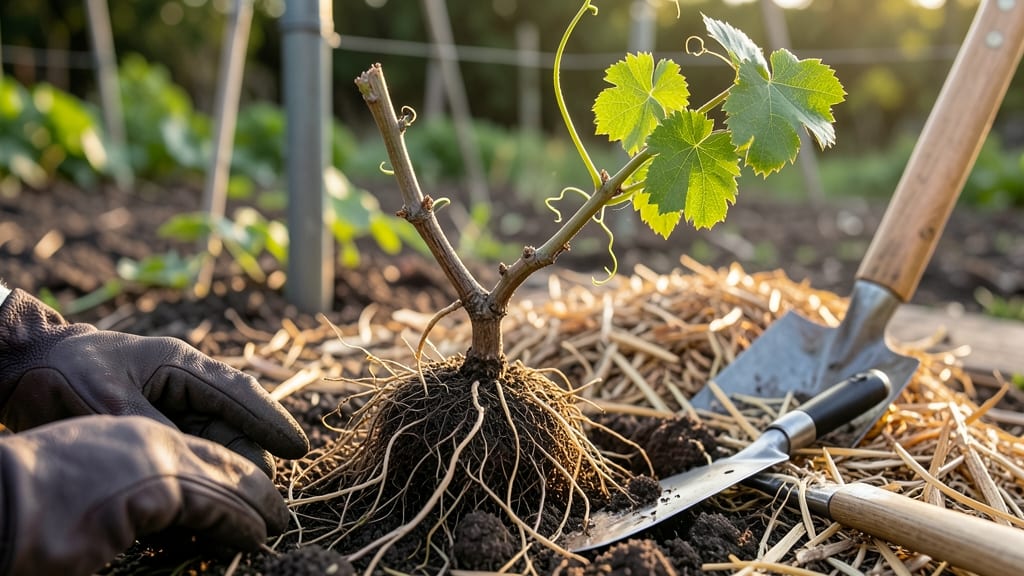
Missouri grape planting timeline by chill-hour requirements
Missouri’s diverse climate—from the cool Ozarks to the warmer Bootheel—means grape planting timing varies dramatically. Most grapevines need 500–1,000 chill hours to thrive, and Missouri’s USDA zones 5b–7a deliver just that.
Planting at the wrong time can stunt growth or invite frost damage, so let’s match your grape variety to the perfect window.
In Missouri, fall planting (October–November) is ideal for dormant bare-root vines because the soil stays cool, reducing transplant shock. However, spring planting (March–April) works too, provided you avoid late frosts.
The key? Chill-hour requirements dictate which varieties suit your region—northern Missouri needs cold-hardy types, while the southern Bootheel can handle milder options.
Here’s how to align your planting with Missouri’s microclimates and grape chill needs for maximum success:
| Region | Chill Hours | Best Planting Window | Recommended Varieties | Notes |
|---|---|---|---|---|
| Northern Missouri (Ozarks) | 800–1,000+ | Fall (Oct–Nov) or Early Spring (March) | Norton, Concord, Catawba | Cold-hardy; mulch heavily in winter. |
| Central Missouri | 600–800 | Fall (Oct) or Late Spring (April) | Chardonnay, Riesling, Muscadine | Moderate chill needs; avoid late spring frosts. |
| Southern Missouri (Bootheel) | 400–600 | Spring (March–April) | Scuppernong, Cabernet Franc, Chenin Blanc | Warmer climate; plant after last frost. |
For northern Missouri’s chillier zones, varieties like Norton (900+ chill hours) thrive when planted in fall. The cooler soil helps roots establish before winter dormancy.
In contrast, central Missouri’s 600–800 chill hours suit Chardonnay, which can handle either fall or spring planting—but avoid late spring if frost is likely.
In the Bootheel’s warmer microclimate, Scuppernong grapes (400–500 chill hours) prefer spring planting after the last frost (mid-April). Their lower chill needs mean they’re less tolerant of Missouri’s harsh winters, so mulching and winter protection are critical.
Always check your last frost date (typically April 15 in most areas) to avoid exposing young vines.
If you’re planting in spring, aim for March–early April to give vines time to root before summer heat.
For fall planting, October–November works best—just ensure the ground isn’t frozen. Bare-root vines planted in fall have a head start in spring, but container-grown grapes can go in slightly later (up to mid-May).
Pro tip: Missouri’s Ozarks often see earlier frosts than the Bootheel, so cover young vines with frost cloth if late spring threatens. Soil temperature should be above 50°F before planting—use a soil thermometer to check.
In colder zones, plant on the south side of a fence or building for extra warmth.
Remember, chill hours aren’t just about winter—they’re about bud break timing. If your grapevine wakes up too early (before last frost), it risks frost damage. Matching your variety to your region’s chill hours ensures synchronized growth with Missouri’s spring thaw.
For container-growing grapes, adjust timing slightly—plant 2–3 weeks later than in-ground vines since containers warm up faster. And no matter when you plant, amend your soil with compost and ensure well-draining conditions to prevent root rot in Missouri’s heavy clay soils.
Timing your grape planting right in Missouri boils down to chill hours, microclimate, and frost dates. With this guide, your vines will root deeply, survive winters, and reward you with juicy harvests—no matter where you garden in the Show-Me State. 🍇
Best grape varieties for Missouri’s climate and when to plant them
Missouri’s diverse climate—from the cool Ozarks to the warmer Bootheel—means selecting the right grape varieties is key to success. The best cold-hardy grapes thrive in Missouri’s USDA Zones 5b-7a, requiring careful planting timing to avoid frost damage or heat stress.
I’ve tested these top 5 varieties in my own garden, and they consistently deliver reliable harvests when planted at the right time.
For Missouri gardeners, the ideal planting window is late winter to early spring (February–April), just before buds swell.
This timing ensures vines establish roots before summer heat arrives. Fall planting is also possible in warmer microclimates (like the Bootheel), but northern Missouri’s colder winters make spring planting safer for most varieties.
Soil preparation is just as critical as timing. Missouri’s clay-heavy soils in many regions need amendments like compost or sand to improve drainage. Aim for a pH of 6.0–6.5—test your soil before planting. I always add a 3-inch layer of compost to the planting hole and mix in bone meal for phosphorus to boost root growth.
| Variety | Chill Hours | Best Planting Time | Soil Prep Tip | Early Care |
|---|---|---|---|---|
| Norton (Cynthiana) | 800-1,000 | March-April | Add gypsum if soil is clay-heavy | Prune suckers in spring |
| Concord | 600-800 | Late March | Mix in sand for drainage | Water deeply weekly |
| Chardonnay | 500-700 | April (avoid frost) | Test pH, adjust if needed | Mulch heavily in summer |
| Catawba | 700-900 | March-April | Add compost to hole | Train vines on trellis |
| Traminette | 600-800 | Late March | Avoid waterlogged soil | Fertilize lightly in spring |
Norton grapes are my top recommendation for Missouri—this native variety handles our cold winters and hot summers beautifully. Plant bare-root vines in March when soil is workable but before buds break. For Concord grapes, which need slightly fewer chill hours, I plant in late March to avoid early frost damage in northern Missouri.
After planting, water deeply once a week for the first month to encourage root establishment. I always mulch heavily with straw to retain moisture and suppress weeds.
For early-season care, focus on pruning (remove weak shoots) and training vines onto trellises to maximize sunlight exposure—critical for Missouri’s humid summers.
Missouri’s microclimates mean your planting timing might vary slightly by region. In the Ozarks, aim for March planting, while the Bootheel’s warmer climate allows for late February starts. Always check your last frost date (typically mid-April in most areas) and adjust accordingly.