
Plants
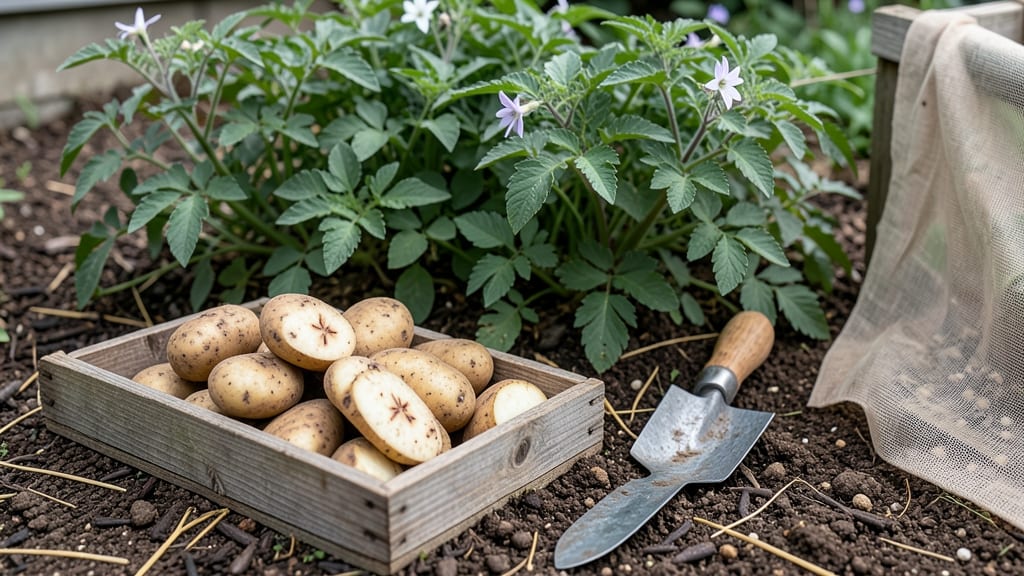
Planting potatoes in Florida at the wrong time can turn your garden into a sad, bolting mess—unless you nail those microclimate-specific windows that keep your 🥔 harvests thriving.
The key isn't just "spring" or "summer"; it's understanding how Florida's heat zones dictate whether you'll get a bountiful crop or a premature flowering disaster.
I've grown potatoes in Florida's sweltering climate for years, and the difference between a perfect harvest and a failed attempt comes down to timing. Whether you're in the cooler North or the frost-free South, planting too early or too late triggers bolting—the plant's desperate attempt to flower before producing tubers.
Let me show you the exact months that work for your region.
We'll cover the two ideal planting periods—late winter for spring harvests and late summer for fall yields—plus how to adjust for Florida's unpredictable weather. No more guessing whether your soil is warm enough or if those afternoon heatwaves will ruin your crop before it starts.
Ready to grow potatoes that actually produce? I'll walk you through the best varieties for Florida's climate, soil prep secrets, and how to stretch your planting window when Mother Nature throws curveballs. Let's get those spuds in the ground the right way.
Florida’s 3 microclimate zones for potato planting timing (with exact months)
Florida’s three distinct microclimates create wildly different conditions for potato growers. The North faces frost risks, the Central balances heat and humidity, while the South thrives year-round with minimal threats. Planting at the wrong time means bolting (premature flowering) or stunted tubers—so timing is everything.
Let’s break down the optimal 4-6 week windows for each zone, including soil temperature thresholds and frost risk factors.
Potatoes hate heat and bolt when soil temps exceed 80°F. In Florida’s North, you’ll also contend with late frosts (January 15 average), while the South rarely sees frost at all.
Central Florida sits in the middle, with hotter summers and milder winters. The key? Plant when soil temps are 50-60°F for spring crops or after August’s heatwave for fall harvests.
Soil temperature is your best friend—use a soil thermometer to confirm readiness. In North Florida, aim for late February to early March for spring planting, while Central Florida can start 2 weeks earlier. The South stretches planting into early April with zero frost concerns. For fall crops, all zones target July-August, but timing shifts slightly based on humidity spikes.
| Zone | Spring Planting Window | Fall Planting Window | Soil Temp Threshold | Frost Risk |
|---|---|---|---|---|
| North Florida (USDA 8a-9a) | Late February - Early March | July 15 - August 1 | 50-60°F (planting), <80°F (growth) | High (Jan 15 avg last frost) |
| Central Florida (USDA 9b-10a) | Mid-February - Late March | July 1 - August 10 | 55-65°F (planting), <85°F (growth) | Moderate (rare after Dec 15) |
| South Florida (USDA 10b-11) | Early March - Early April | July 20 - August 15 | 60-70°F (planting), <90°F (growth) | None (frost-free year-round) |
In North Florida, your 4-6 week window starts February 20 and closes by March 10 to avoid early heat. Use black plastic mulch to warm soil faster and extend the season. For fall crops, plant by August 1 to harvest before December’s chill.
Central Florida’s longer window (February 15-March 31) gives you flexibility, but avoid planting after March 20—soil heats up too fast.
The South’s frost-free advantage lets you plant until April 15 for spring, but July 20 is your cutoff for fall crops. Here, shade cloth (30-50%) helps prevent bolting during August’s peak heat.
All zones benefit from drip irrigation to maintain consistent moisture—potatoes hate drought stress, which triggers bolting. Test soil moisture weekly by checking 2 inches deep; it should feel like a wrung-out sponge.
Pro tip: Chit your seed potatoes (expose to light for 2-3 weeks) to jumpstart growth. This is critical in Central/South Florida where heat arrives faster. For North Florida, row covers (remove by April) protect against late frosts while warming soil.
Always plant 4-6 inches deep—shallower planting risks green tubers (toxic) from sunlight exposure.
Harvest timing varies by zone: North Florida potatoes are ready by late May-early June (spring) or October-November (fall), while South Florida can harvest June-July (spring) or December-January (fall).
Watch for foliage yellowing and tuber size (golf ball = perfect). Cure tubers for 1-2 weeks in 60-70°F darkness to improve storage life.
Missed your window? Try container growing—pots warm up faster and let you adjust timing. Fill with well-draining mix (60% soil, 30% compost, 10% perlite) and place in partial shade during summer.
Just remember: Florida’s heat is unforgiving. With these zone-specific dates, you’ll avoid bolting and grow bountiful tubers—no guesswork required.
How to adjust planting dates for Florida’s unpredictable weather (pro tips)
Florida’s unpredictable weather can derail even the most well-planned potato garden. Sudden heatwaves, heavy rainfall spikes, or humidity surges trigger premature bolting—when potatoes flower and stop producing tubers. The key? Flexible planting strategies that adapt to real-time conditions rather than rigid calendars.
Instead of following generic planting charts, I monitor soil temperatures (ideal: 45–65°F), rainfall forecasts, and humidity trends to adjust timelines.
For example, in North Florida, I delay spring planting until mid-March if February stays unusually wet, while in South Florida, I opt for July–August plantings to avoid summer’s relentless sun.
- 1 Use row covers for early spring or late fall plantings to shield seedlings from cold snaps (even in Zone 9). Remove covers once daytime temps hit 70°F+ to prevent overheating.
- 2 Mulch heavily with straw or wood chips (3–4 inches) to stabilize soil moisture during Florida’s dry spells. This also blocks light-induced bolting by keeping tubers in darkness.
- 3 Choose bolt-resistant varieties like ‘Red LaSoda’ or ‘Purple Majesty’, which tolerate 90°F+ temps better than traditional Russets. For North Florida, opt for early-maturing types (60–70 days) to beat summer heat.
- 4 Adjust watering to prevent stress-induced bolting: Deep-water every 3–5 days in spring/fall, but reduce to every 7–10 days in peak summer to avoid soggy soil.
- 5 Plant in raised beds with sandy loam to improve drainage during Florida’s sudden downpours. Add compost at planting to buffer nutrient fluctuations caused by erratic rains.
For North Florida gardeners, I recommend a two-pronged approach: plant early varieties (e.g., ‘Kennebec’) in late February under row covers, then follow with late-season varieties (e.g., ‘Yukon Gold’) in July for a fall harvest.
In South Florida, focus on shade-tolerant varieties like ‘Sweetheart’ and plant in partial shade during June–August to avoid bolting.
Pro tip: Track your local humidity and heat index using a garden weather station. If humidity exceeds 80% for 3+ days, delay planting until conditions stabilize—high humidity accelerates disease pressure and bolting in potatoes. Pair this with drip irrigation to maintain consistent moisture without overwatering.
Remember, Florida’s microclimates can vary even within counties. If your garden sits in a low-lying area, expect cooler soil temps and higher humidity than nearby elevations.
Test your soil temperature with a soil thermometer before planting—below 50°F slows germination, while above 70°F triggers bolting. Adjust your timeline accordingly.