
You have read a hundred of these
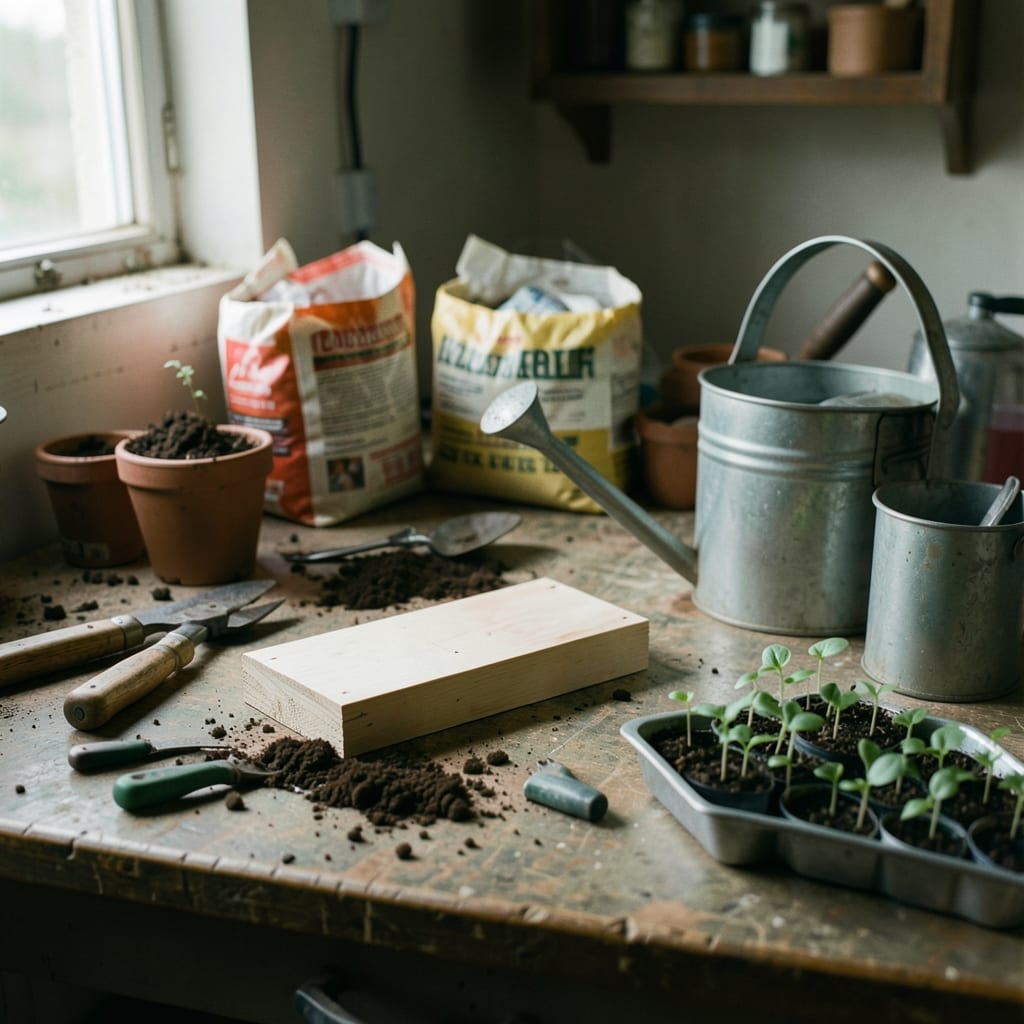
You’re right to be sceptical. Most gardening advice is either too vague—‘plant in full sun’—or too rigid, ignoring how your soil, climate, or even last year’s compost pile might have changed everything. We don’t do ‘best practices’; we do *your* practices, tested in real dirt with real failures.
Take our failed attempt at growing dragonfruit from seed. Three years, twelve pots, and zero fruit. But we learned more about humidity, light angles, and why some plants just won’t cooperate in our zone than we ever would’ve from a chart. That’s the kind of honesty you won’t find elsewhere.
This isn’t a sales pitch for ‘foolproof’ methods. It’s a record of what worked, what didn’t, and why—so you can decide whether to try it yourself or walk away. No guilt, no hype.
This one won’t just tell you which seeds to plant—it’ll tell you why the ones you *didn’t* plant might have been the right call.
Anyone can write that they test things
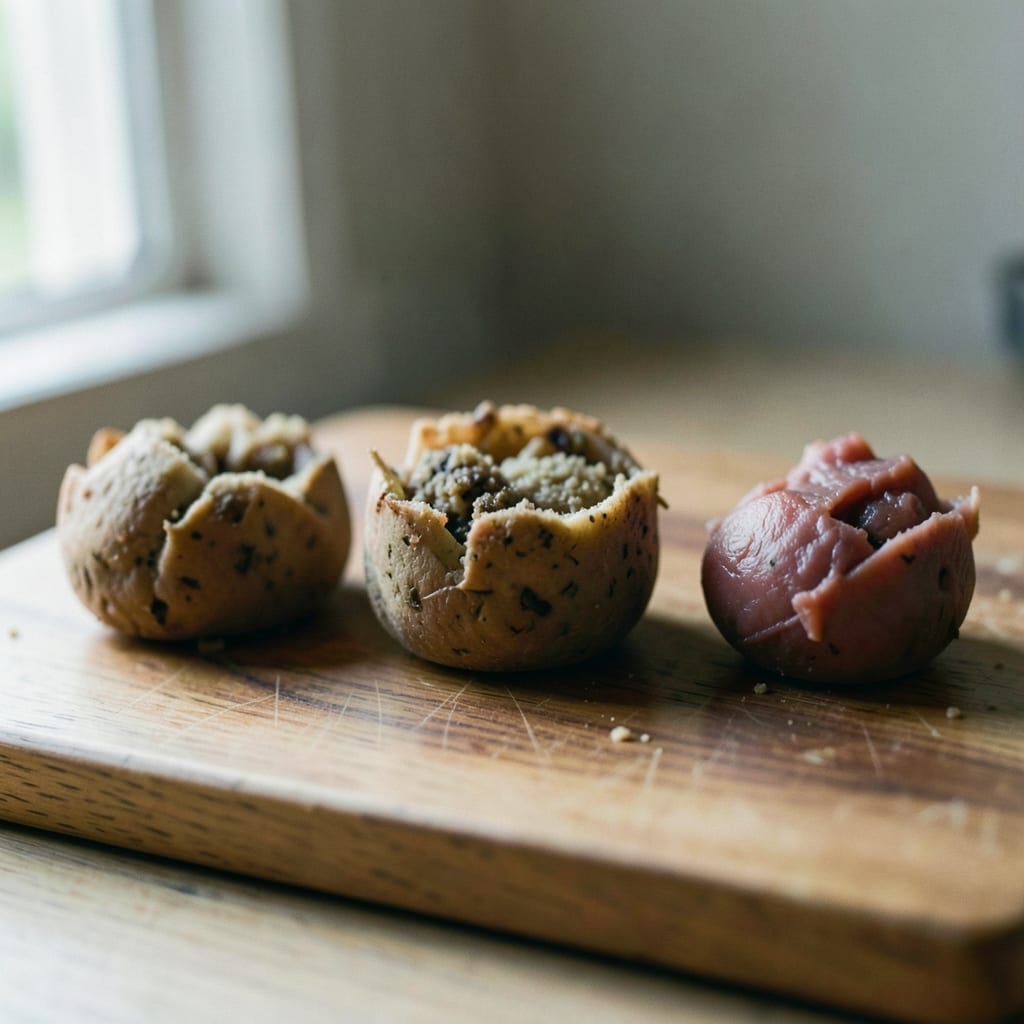
We start with three identical setups for every experiment—different pots, different soil, different light conditions—because real gardens aren’t controlled labs. If basil thrives in one but wilts in another, we note the pH, the drainage, and the fact that the ‘full sun’ spot got three hours less than advertised.
Failed tests aren’t hidden. The ‘perfect’ tomato variety that split open in a heatwave? We kept the photos. The compost tea that killed more than it fed? We measured the ammonia levels. No cherry-picking—just the messy, unvarnished truth about what grows where, and why.
And yes, some things get thrown out. Last spring, we tried growing microgreens under LED grow lights for 16 hours a day. The results were edible but tasted like electricity. The data’s still here, but the method isn’t coming back.
Here, ‘tested’ means planting the same variety in three different soil mixes, tracking moisture loss for a month, and discarding the data when the neighbour’s cat dug up half the plot.
About the author

Lionel Dubois is the founder and editor of *Planter Field*, where he writes about the quiet science of soil, the stubbornness of weeds, and the stories plants tell if you listen closely enough.
The rules we work by
- 1Fail first, then document
Every ‘tip’ here comes from a mistake—usually mine. If we haven’t ruined a batch of seedlings, overwatered a cactus, or let a trellis collapse under the weight of overenthusiastic beans, the advice isn’t worth writing. The cost? Time spent learning the hard way, and a garden that looks like a warzone for a season.
- 2Measure everything, trust nothing
We weigh soil moisture with a scale, test pH with a meter (not our tongue), and time sunlight with a stopwatch. The cost? Slower work and less ‘instinctive’ gardening—but more reliable results. Guessing is for people who enjoy replanting.
- 3Write for the person who emailed us
That ‘obvious’ step about ‘watering deeply’? We include it because someone once asked why their peppers kept wilting, even though they’d ‘watered them’. The cost? Longer guides, but fewer frustrated readers. Clarity beats brevity.
- 4Assume the reader’s tools are worse than ours
Our soil thermometer cost $80. Yours might be a finger in the dirt. We adjust for it. The cost? Simpler methods that work in a $20 starter kit or a $2,000 greenhouse. No shortcuts, just smarter ones.
- 5Never say ‘everyone knows’
We’ve seen enough ‘basic’ gardening advice assume you’ve inherited a greenhouse and a degree in horticulture. The cost? More words, but fewer readers who feel dumb mid-sentence. Gardening should be for beginners, not just experts in training.
Breaking a rule isn’t a failure—it’s data. Last autumn, we ignored the ‘no fertiliser after mid-July’ rule and fed our zucchini plants anyway. They exploded with fruit, but the soil tested toxic by harvest.
The rule stayed, but the exception got a footnote: *‘Only if you’re harvesting immediately and testing soil weekly.’* Rules exist to be questioned, not worshipped.
This will not be right for everyone
Close this page if you’re looking for quick wins or Instagram-worthy gardens. We don’t do ‘plant this, harvest that in 30 days’ promises.
Our tomato variety might take 90 days to fruit, our compost might smell like rot for weeks, and our ‘easy’ herbs will still bolt if you forget to pinch them.
This is for people who’d rather know *why* their beans are stunted than be told to ‘buy better seeds’. For those who’d prefer a garden that teaches them something over one that just looks pretty.
If you’d rather scroll past than read about soil pH or pruning angles, there are plenty of other sites—and that’s fine.
You could just be told what you want to hear
We could say ‘plant these seeds and you’ll have a bountiful harvest’, but we’d be lying—or at least, oversimplifying. The truth is messier: your harvest depends on last winter’s frost, this summer’s rain, and whether the squirrels consider your trellis a snack bar.
We’d rather tell you how to spot a squirrel-proof trellis than pretend the problem doesn’t exist.
Worth telling us
- The one gardening ‘trick’ that actually works in your climate (not ours)
- The plant you’ve struggled with for years—and why it might be the soil’s fault, not yours
- The tool or technique that saved you hours of frustration (even if it cost $20)
The guides are grouped by category: Advice, Aphids, Blooming, Companion Plants, Container Gardens and Diseases.