
Plants
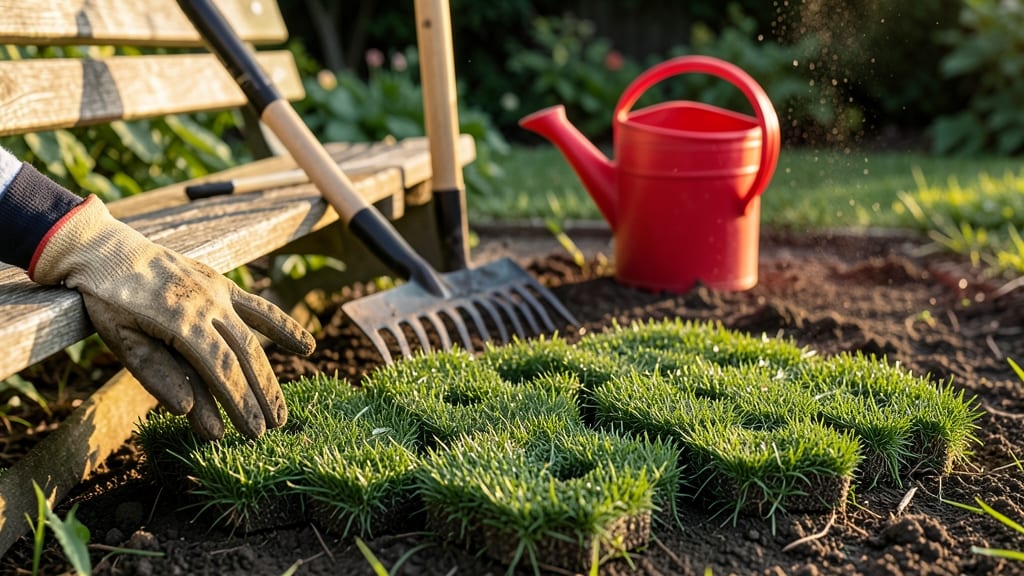
Best planting dates for Bermuda grass in San Antonio’s heat zone
In San Antonio’s USDA Zone 8b-9a, Bermuda grass thrives when planted during the 4-6 week window after the last frost. This typically means starting between April 15 and May 31, when soil temperatures consistently reach 75°F or higher.
Planting too early risks fungal diseases from lingering cool, damp conditions, while late planting may leave your grass vulnerable to winter dieback before full establishment.
Bermuda grass is a warm-season grass that demands heat to germinate and spread. Skipping this window can result in patchy growth or weak roots that struggle to survive San Antonio’s 100°F+ summers.
The key is aligning your planting with both soil warmth and rainfall patterns, which peak in May and September.
🌱 Critical Deadlines:
- Hard Stop: Avoid planting after June 15—your grass won’t establish strong roots before the next winter dormancy.
- Urgent Window: Prioritize April 30-May 15 for the best balance of soil warmth and moisture.
San Antonio’s microclimates—like urban heat islands or shaded yards—can shift these dates by 1-2 weeks. For example, urban areas may warm up faster, while rural or shaded spots might need a later start. Always test your soil temperature with a soil thermometer before planting.
Here’s your heat-zone planting guide tailored to San Antonio’s climate, including soil prep and heat acclimation tips to ensure your Bermuda grass takes root and thrives.
For urban yards, where pavement and buildings trap heat, you can start planting as early as April 1. Use a soil thermometer to confirm temperatures hit 70°F+—Bermuda grass seeds need this warmth to break dormancy.
If your soil is cooler, delay planting or use a black plastic mulch to warm the soil faster.
In rural or shaded areas, wait until May 1 or later to avoid fungal risks from lingering moisture. These spots often stay cooler longer, so aim for 80°F+ soil temperatures.
If you’re planting in partial shade, select drought-tolerant varieties like ‘Tifway 419’ or ‘Midiron,’ which handle heat better than standard types.
Once planted, heat acclimation is critical. Bermuda grass needs time to adjust to San Antonio’s intense summer sun. Water deeply twice daily (morning and evening) for the first 2 weeks, then taper to 1 inch per week once established.
Avoid overhead watering at night to prevent fungal diseases like brown patch.
If you miss the spring window, don’t despair—fall planting (August–September) is your second chance. Bermuda grass can still establish roots before winter dormancy, but choose drought-resistant varieties and reduce watering as temperatures drop. Just remember: never plant after June 15 or your grass may not survive the winter.
Pro tip: Mark your calendar for April 30 as your ideal start date. By May 15, your Bermuda grass should be actively growing, and by June 1, it’ll be thick enough to handle San Antonio’s brutal heat—no survival challenge required! ☀️
Signs your San Antonio soil is ready for Bermuda grass planting
Bermuda grass thrives in San Antonio’s heat, but planting too soon can trigger fungal diseases or slow germination. The key is checking three critical factors: soil temperature, moisture balance, and visual soil cues.
Start by testing your soil’s warmth—it should consistently hit 75°F or higher at a 4-inch depth for at least 5 days in a row. This ensures your grass seeds or sod will sprout quickly before summer’s intensity peaks.
Use a soil thermometer (available at garden centers for under $10) to monitor temperatures daily. Insert it into the soil in the morning and evening, as temperatures fluctuate.
If your readings hover around 65°F or below, hold off on planting—cool soil delays germination and weakens young roots. Clay-heavy Texas soil retains moisture longer, so test it in multiple spots to confirm consistency.
Next, assess moisture levels by digging a 6-inch hole and checking the soil’s dampness. Ideal soil should feel like a wrung-out sponge: slightly moist but not soggy. If it’s bone-dry, water deeply the day before planting to prepare the bed.
Overwatered soil can suffocate seeds, so avoid planting if puddles linger after rain. Bermuda grass prefers well-draining soil, so amending clay with compost or sand (1 part compost to 3 parts soil) can improve aeration.
Fungal risks spike when soil temps are below 70°F. Look for these red flags:
- Slow weed growth (weeds like henbit or dandelions signal cool soil)
- Dew lingering past noon (high humidity + cool temps = fungal breeding ground)
- Seedlings with yellow tips (sign of Pythium or Rhizoctonia)
Watch for weed activity as a natural indicator—when warm-season weeds like crabgrass or spiderwort start sprouting, your soil is primed for Bermuda grass. These weeds thrive in the same conditions as Bermuda, so their appearance confirms your soil’s temperature and moisture are optimal.
Another visual cue: dry, cracked clay soil that softens after watering is ready for amendment and planting.
For clay-heavy soil common in San Antonio, mix in 1-2 inches of compost or gypsum (10 lbs per 100 sq ft) 2 weeks before planting. This loosens compacted soil and improves drainage.
After amending, rake the area smooth and level it to create an even seedbed. Avoid working the soil when it’s too wet—clay turns to mud and can smother seeds.
Finally, time your planting to align with San Antonio’s rainy season. Late April through early May offers natural moisture without the extreme heat of June. If you’re using sod, lay it on a cloudy day to reduce stress on the roots.
For seeds, lightly cover them with 1/4 inch of soil and keep the area moist (not soggy) until germination, which typically takes 10-14 days in ideal conditions.
Once your soil passes these checks, your Bermuda grass will establish 2-3 times faster and outcompete weeds. Monitor the first 30 days closely—consistent moisture and light fertilization (10-10-10) will set your lawn up for summer dominance. 🌱