
How To
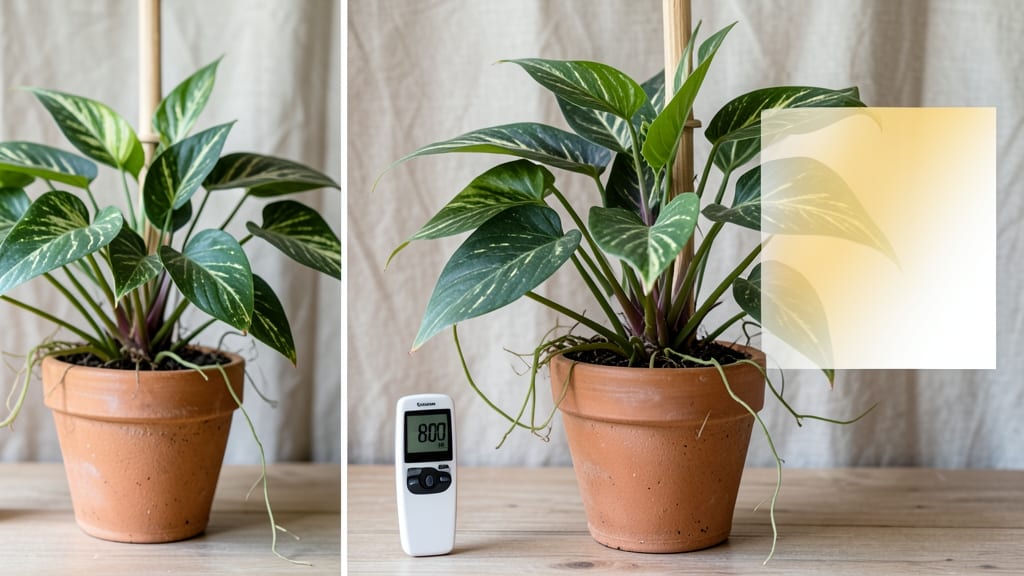
If you're wondering how much light does an arrowhead plant need, the answer is crucial—because getting it right can transform a droopy, struggling plant into a thriving, vibrant showstopper.
Unlike sun-loving varieties, this beauty thrives in bright but indirect conditions, and finding the perfect balance makes all the difference between a lush, healthy houseplant and one that’s barely hanging on.
Most people assume more light is always better, but for Arrowhead Plants, it’s all about balance. Too little, and they’ll stretch toward the window like they’re begging for attention. Too much direct sun, and those gorgeous leaves can turn crispy or bleached.
The sweet spot? About 3 to 4 hours of bright, filtered light each day—think east-facing windows or a spot near a sheer curtain.
Here’s the good news: adjusting light for your Arrowhead Plant is easier than you think. Whether you’re dealing with a dim corner, a south-facing window that’s too harsh, or even a grow light setup, I’ll walk you through exactly how to create the perfect lighting conditions.
No guesswork, just healthy, happy growth.
Ready to turn your plant’s frown upside down? Let’s dive into the simple steps to give your Arrowhead Plant the ideal light it craves—so you can enjoy those striking arrow-shaped leaves year-round.

Optimal light requirements for arrowhead plants: the 3-4 hour rule explained
Your arrowhead plant (Syngonium podophyllum) thrives on a delicate balance of light—too little causes leggy growth, while too much leads to brown leaf tips.
The 3-4 hour rule means this tropical beauty needs bright indirect sunlight for about 3-4 hours daily, ideally from an east-facing window. This mimics its natural understory habitat, where dappled light filters through canopy leaves.
Direct midday sun (especially from south or west windows) can scorch leaves, while dim fluorescent lighting slows growth. Think of it like Goldilocks—you want light that's just right: bright enough to fuel photosynthesis but gentle enough to prevent stress. North-facing windows often provide this perfect balance year-round.
🌿
| Light Condition | Daily Duration | Window Type | Leaf Response |
|---|---|---|---|
| Bright Indirect Light | 3-4 hours | East or North | Vibrant green leaves, compact growth |
| Low Light | <1 hour | North (deep shade) | Pale leaves, stretched stems |
| Direct Sun | >4 hours | South or West | Brown crispy edges, sunburn |
| Filtered Sun | 2-3 hours | Sheer curtain | Healthy variegation, slow growth |
In summer months, when sunlight is intense, your arrowhead plant may need afternoon shade—move it 3 feet back from the window or use a sheer curtain to diffuse harsh rays.
I’ve found that placing mine on a rotating plant stand (1/4 turn weekly) ensures even light exposure and prevents one-sided growth.
Watch for these tell-tale signs of light stress: Yellowing leaves signal too much light, while dark green, sparse foliage means it’s not getting enough. If leaves develop red or purple hues, your plant is begging for more brightness.
Pro tip: Check the underside of leaves—if they’re pale, it’s likely underlit.
During winter’s shorter days, supplement natural light with a 15W LED grow bulb (6,500K color temp) placed 12 inches away for 4 hours daily. I’ve seen dramatic improvements in my plant’s growth when using this setup—new leaves emerge faster and stems stay sturdy.
Avoid incandescent bulbs, as they emit too much heat and can damage delicate foliage.
For outdoor cultivation (zones 9-11), arrowhead plants love morning sun + afternoon shade under a dappled tree canopy. In containers, rotate pots weekly to prevent sunburn on exposed sides. I’ve grown mine on a covered patio with 50% shade cloth—it thrives with 4-5 hours of filtered light daily.
If your plant shows signs of light deficiency, don’t panic—simply move it closer to a west-facing window (early morning sun is gentler) or use a reflective surface (like a white wall or mirror) to bounce extra light onto its leaves.
I’ve revived several struggling arrowheads by placing them on a sunny bookshelf near a window.
Remember: Consistency is key. Sudden light changes can shock your arrowhead plant, causing leaf drop. Adjust its position gradually over 1-2 weeks to let it acclimate.
With the right light, your plant will reward you with heart-shaped leaves and vigorous growth—proof that you’ve cracked the 3-4 hour rule! 🪴
How to adjust light for arrowhead plants in different home setups
Your arrowhead plant (Syngonium podophyllum) thrives with bright indirect light, but finding the perfect spot in your home can feel like solving a puzzle. Whether you're in a low-light apartment or have a sun-drenched south-facing window, small adjustments make all the difference.
The key is understanding how to test your light conditions and adapt your plant's placement accordingly.
Start by observing your plant's current location. If leaves are stretching toward the light or developing dull green variegation, it's craving more brightness. Conversely, brown leaf tips or yellowing signal too much direct sun. These visual cues help you fine-tune your approach without guesswork.
🌿 How Much Light Does an Arrowhead Plant Need?
- Ideal Daily Light: 3-4 hours of bright indirect light
- Minimum Tolerance: 2 hours (slower growth)
- Maximum Tolerance: 2 hours of direct sun (morning only)
- Low-Light Threshold: Fluorescent lighting (12+ inches away)
- Outdoor Needs: Dappled shade or morning sun only
For low-light apartments, place your arrowhead plant near an east-facing window or use a grow light on a timer (12-14 hours/day). I recommend a full-spectrum LED bulb (6500K color temperature) positioned 6-12 inches above the plant. Rotate the pot quarter-turns weekly to prevent lopsided growth from uneven light exposure.
If your home has a south-facing window, create distance by placing the plant 3-4 feet back from the glass. Use a sheer curtain to diffuse harsh afternoon rays, which can scorch leaves.
Test your setup with the shadow test: Place a small object (like a pencil) near the plant at noon—if the shadow is sharper than 2 inches, the light is too intense.
Outdoor growers can transition arrowhead plants outside during spring and summer, but always acclimate gradually (start with 1 hour/day and increase over 2 weeks). Choose a spot with filtered sunlight, like under a tree canopy or on a shaded patio.
Bring it indoors before fall temperatures drop below 60°F to prevent shock.
Pro tip: Use a light meter app (like "Light Meter" for iOS) to measure foot-candles in your space. Aim for 500-1000 foot-candles—anything below 300 risks leggy growth, while above 2000 causes leaf burn. Adjust your plant's position based on these readings for consistent success. 🌱