
Companion Plants
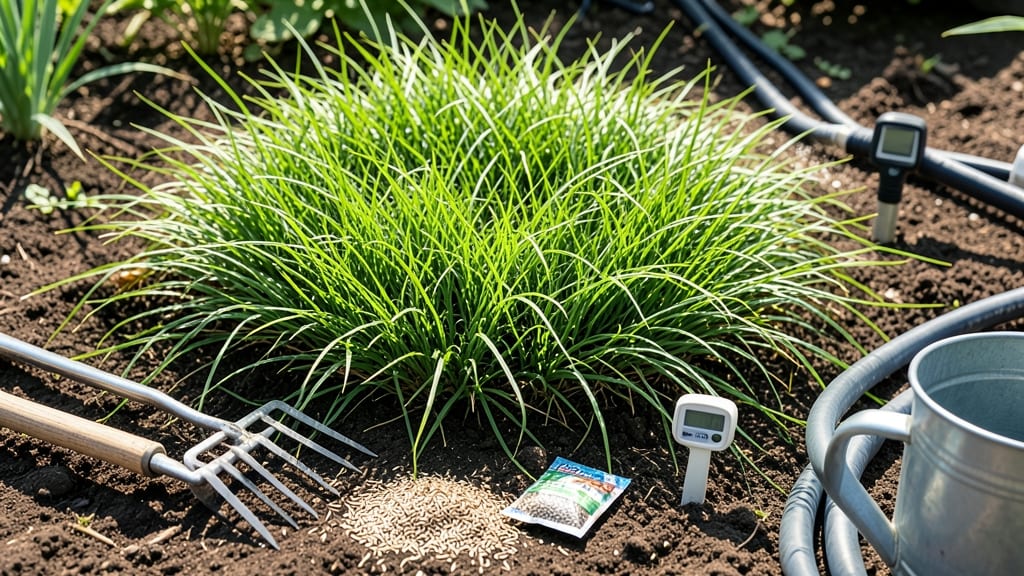
Planting Bermuda grass seed in Texas isn't just about grabbing a bag and scattering it—it's about catching the perfect window when your yard's microclimate and soil temperature align for success. Miss this timing, and you might end up battling heat stress or fungal diseases before your lawn even takes root.
With Texas' 8a-10b climate zones and unpredictable frost patterns, the ideal planting window shifts dramatically from North to South. What works in Dallas might fail in El Paso, and vice versa.
I'll break down the exact months you should target in your county to give your 🌱 Bermuda grass the best shot at thriving.
Most homeowners wait until late spring or early summer, but that's not always the right move. The key is soil temperatures hitting at least 65°F—not just the air temperature. I'll show you how to read your local climate signals and adjust your planting schedule accordingly.
Whether you're in the Panhandle or the Gulf Coast, these Texas-specific tips will help you avoid common pitfalls and create a lawn that stays green through our brutal summers. Let's get your Bermuda grass off to the right start.
Texas county-specific planting months for Bermuda grass seed success
Texas spans from the Panhandle’s harsh winters to the South Texas heat islands, creating wildly different planting windows for Bermuda grass seed.
In North Texas counties like Dallas or Fort Worth, late spring frost risks linger until mid-April, while Houston and San Antonio can safely plant as early as March. The key? Soil temperatures must hit 65°F+ consistently for 7-10 days before seeding.
For El Paso and the Panhandle, wait until mid-May—earlier plantings risk winterkill from unexpected cold snaps. Meanwhile, South Texas, including Corpus Christi and Brownsville, enjoys a 6-month growing season, allowing August replanting if summer drought stresses your lawn.
These regional differences mean your neighbor’s perfect timing might be your disaster.
Here’s the region-by-region breakdown you need to avoid failed lawns and wasted seed. Use this as your planting calendar, adjusted for your exact county’s frost history (check Texas A&M AgriLife Extension for local data).
🌱 Texas Regions: Bermuda Grass Planting Windows
| Region | Key Counties | Last Frost Date | Optimal Planting Months | Soil Temp Requirement | Drought Risk |
|---|---|---|---|---|---|
| North Texas | Dallas, Fort Worth, Waco | Mid-April | May–June | 65°F+ (consistent) | Moderate (May) |
| Central Texas | Austin, San Antonio, College Station | Late March | April–May | 65°F+ (consistent) | Low (spring rains) |
| South Texas | Houston, Corpus Christi, Brownsville | Early March | March–April or August | 65°F+ (sooner in spring) | High (summer) |
| Panhandle | Lubbock, Amarillo, El Paso | Mid-April | May–June | 70°F+ (warmer needed) | Extreme (summer) |
🌡️ Pro Tip: Use a soil thermometer to confirm temps before planting—cold soil = failed germination.
In North Texas, where Dallas and Fort Worth experience unpredictable late frosts, hold off until after May 1 to ensure Bermuda grass survives. The Central Texas window (Austin, San Antonio) is more forgiving, with April–May ideal for seed germination.
Here, spring rains reduce drought stress, but overwatering can suffocate seeds—aim for 1/2 inch per week.
South Texas stands out with a second planting window in August, perfect for repairing summer-damaged lawns. Counties like Houston and Corpus Christi benefit from humidity and heat, but August planting requires daily watering until roots establish. Skip this in drought-prone years—check Texas Water Development Board alerts first.
The Panhandle, including El Paso and Lubbock, demands patience. With higher elevations and colder nights, wait until after May 15 and monitor soil temps closely. Bermuda grass here thrives in full sun, but shade from mesquite trees can stunt growth—clear obstructions before seeding.
For county-specific precision, cross-reference your zip code with the Texas A&M AgriLife Planting Calendar. For example, Dallas County averages last frost on April 15, while Harris County (Houston) sees March 1.
Planting too early risks fungal diseases like brown patch, while delaying past June may stress seedlings in 100
Soil temperature and weather conditions for ideal Bermuda grass germination
Bermuda grass thrives when your soil temperature consistently stays above 65°F (18°C)—this is non-negotiable for germination. In Texas, this typically aligns with late spring, but your exact timing depends on your microclimate.
For example, El Paso may hit this threshold by mid-April, while East Texas might wait until early May. Always check local Texas A&M AgriLife Extension data for your county’s specifics.
Why? Bermuda grass seeds need warmth to activate enzymes that break down seed coatings. Below 65°F, germination slows dramatically, and seeds may rot instead of sprouting. Even if air temps feel warm, soil temperature can lag behind—especially in shaded or compacted areas.
That’s why I recommend using a soil thermometer (available for under $15) to confirm readiness before planting.
- Soil Temp: 65°F+ (use thermometer)
- Best Months: May-July (North TX) or April-June (South TX)
- Rainfall: 1-1.5 inches/week (avoid waterlogging)
- Humidity: 40-60% (high humidity = fungal risk)
- Risk Zone: Plant before July 15 to avoid heat stress
Humidity and rainfall also play critical roles. Bermuda grass germinates best in 40-60% humidity—too much moisture (like Houston’s summer downpours) can trigger fungal diseases like brown patch, while dry spells (common in West Texas) may cause seeds to dry out before sprouting.
Aim for 1-1.5 inches of rainfall per week during germination. If your area is drought-prone, supplement with drip irrigation set to shallow water twice daily.
Timing matters even more when considering early vs. late planting risks. Planting too early (before last frost) risks winterkill—Bermuda grass won’t survive sub-20°F temps. Planting too late (after July) exposes seedlings to intense heat stress, where soil temps can exceed 90°F, shocking tender roots.
My rule of thumb? Start no later than August 1 in North Texas or September 1 in South Texas for a second chance at germination.
Pro tip: Use Texas A&M’s Virtual Soil Temperature Map (agrilifeextension.tamu.edu) to track real-time data. For example, in Dallas (Zone 8a), soil temps hit 65°F by early April, but Houston (Zone 9a) may see it by late March.
Adjust your schedule accordingly—this precision can mean the difference between a 50% vs. 90% germination rate.
Finally, watch for unpredictable weather patterns. Texas’ erratic spring storms can bring sudden cold snaps or heavy rains. If your forecast shows below-60°F nights after planting, cover seeds with a lightweight frost blanket until soil warms again. This simple step can save your investment when Mother Nature throws curveballs.