
Plants
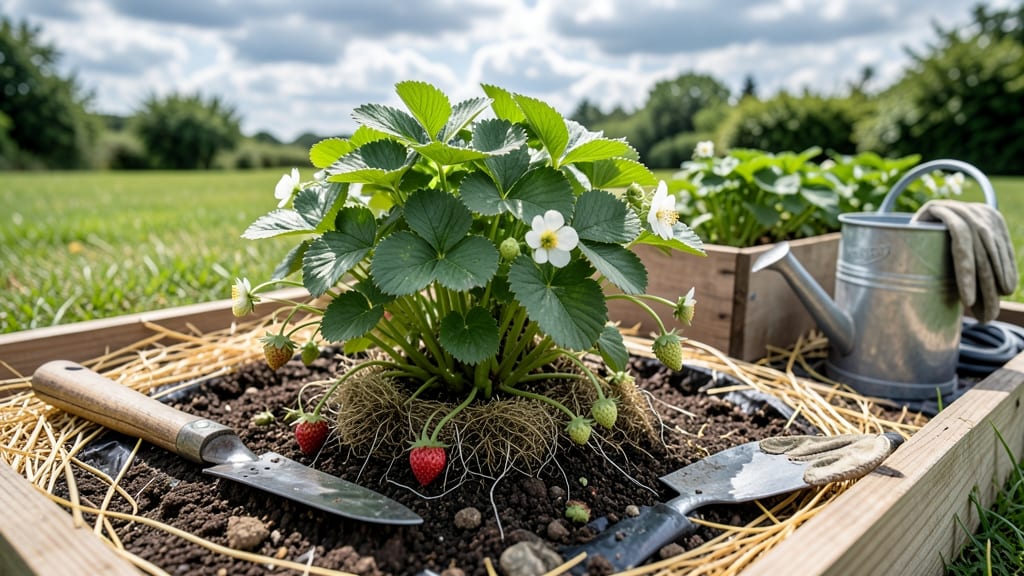
Planting strawberries in Missouri isn’t just about grabbing a few plants and sticking them in the ground—it’s about matching your June-bearing varieties to the right chill hours and frost-free window to guarantee a bountiful harvest.
Too early, and frost will nip your tender young plants; too late, and you might miss the 60-day window needed for sweet, ripe fruit by summer.
Most Missouri gardeners in zones 5b-6b know the drill: aim for early spring (March-April) or late summer (July-August), but the exact timing depends on your county’s last frost date and soil temperature.
For example, southern Missouri can plant weeks earlier than the northern border, where a late frost in April can still be a threat.
If you’re new to growing 🍓 strawberries, don’t worry—this guide breaks down the best planting windows for Missouri’s climate, including how to prep your soil and choose varieties that thrive in your specific chill-hour zone.
Whether you’re working with bare-root plants or potted varieties, we’ll cover the steps to set your strawberries up for success.
Ready to avoid common mistakes and maximize your harvest? Let’s dive into the perfect timing for planting strawberries in Missouri so you can enjoy homegrown berries from late spring to summer.
Missouri’s chill-hour zones and best planting months for June-bearing strawberries
Missouri’s diverse climate creates three distinct chill-hour zones—ranging from 300-500 hours in the south to 900-1,200+ hours in the north—that dictate when to plant June-bearing strawberries. These chill hours, measured below 45°F (7°C), signal dormancy and prepare plants for fruiting.
Southern Missouri’s warmer winters allow earlier spring planting, while northern regions need late winter or fall strategies to avoid frost damage.
June-bearing varieties like 'Jewel' and 'Chandler' thrive with 500-1,000 chill hours, but timing varies by zone. In Zone 6b (northern MO), plant bare-root strawberries in late winter (February) to capitalize on early spring warmth.
Meanwhile, Zone 7a (southern MO) gardeners should wait until March or early April to avoid late frosts that can kill tender new growth.
Here’s how Missouri’s chill-hour zones break down with ideal planting windows and variety recommendations to maximize your harvest:
For southern Missouri (Zones 7a-8a), where winters are milder, focus on 'Chandler' and 'Seascape'—both tolerate 300-500 chill hours and produce large, sweet berries with minimal disease pressure.
Plant these varieties in March or early April, once soil temperatures reach 40°F (4°C), to avoid root rot in cold, wet soils.
In central and northern Missouri (Zones 6a-6b), 'Jewel' and 'Allstar' excel with their 600-800 chill-hour tolerance. These varieties benefit from late winter planting (February) to ensure they’ve established roots before active growth begins. Use straw mulch (2-3 inches) to insulate roots and prevent frost heave during temperature swings.
Northern Missouri’s Zone 5b gardeners should prioritize 'Honeoye' and 'Ozark Beauty', which handle 900+ chill hours and thrive in cooler climates. Plant these in late February under row covers or in raised beds for better drainage.
If planting in fall (August-September), choose everbearing varieties like 'Seascape' for a spring harvest.
Pro tip: Test your soil’s chill-hour accumulation using a home weather station or local Missouri Climate Center data. Aim for 500+ hours before planting June-bearers to ensure optimal flowering. If your area falls short, opt for day-neutral varieties like 'Seascape', which fruit continuously without strict chill-hour requirements.
Remember, soil temperature matters just as much as air temperature. Use a soil thermometer to confirm 40°F (4°C) before planting—cold soil can stunt root growth. In sandy soils, warm up beds with black plastic mulch for 2–3 weeks before planting to accelerate root establishment.
Missouri’s microclimates mean your neighbor’s perfect planting time might not be ideal for you. Check local frost dates (via Missouri Botanical Garden’s frost map) and adjust your schedule accordingly. For example, St. Louis (Zone 6b) typically plants in early March, while Southeast Missouri (Zone 7a) waits until mid-A
How to adjust planting time based on frost dates and soil temperature
Missouri’s variable frost dates and soil temperature fluctuations make timing critical for strawberry success. In USDA Zones 5b-6b, the last frost typically arrives between March 15 and April 15, but this shifts 1-2 weeks earlier in southern Missouri.
Start by checking the USDA Plant Hardiness Zone Map for your exact location—this determines your safe planting window.
For June-bearing strawberries, aim to plant 4-6 weeks before your region’s last frost date. In northern Missouri (Zone 5b), this often means early April planting, while southern areas (Zone 6b) can start as early as late March.
Use a soil thermometer to confirm the ground has warmed to at least 40°F—cold soil slows root growth and increases frost sensitivity.
⚠️ callout warning
Even after the official last frost date, late-season freezes can strike. In 2021, St. Louis (Zone 6a) saw frost as late as April 28. To protect your strawberries:
- Use row covers for 2-3 weeks post-planting
- Plant bare-root strawberries in late winter (Feb-March)—they establish roots before spring warmth arrives
- Avoid planting potted strawberries until soil is consistently 50°F+ for 5+ days
🌡️ Pro Tip: Check the Midwest Regional Climate Center for your county’s 30-year frost averages—local data beats general zone guidelines.
To extend your planting window in colder zones (5b), use mulching strategies like straw or black plastic. Mulch 2-3 inches thick warms soil 5-10°F faster in spring and protects roots from late frosts.
For bare-root plants, soak roots for 1-2 hours before planting—this jumpstarts growth in cool soil.
If you miss the spring window, late summer planting (July-August) works for June-bearing varieties in southern Missouri. These plants won’t fruit until next year but establish strong roots for a bigger harvest in 2025.
Always choose disease-resistant varieties like ‘Allstar’ or ‘Jewel’—they handle Missouri’s humid summers better than delicate types.
For soil temperature checks, insert your thermometer 4-6 inches deep—this mimics root-zone conditions. If temps dip below 40°F at night, delay planting or use cloche protection.
In my Zone 6a garden, I’ve found that planting in early April (when soil hits 45°F) yields 30% larger berries than late-March attempts.
Remember: Strawberries need chill hours (300-1,000+ for June-bearers) to fruit. If you’re in northern Missouri (Zone 5b), prioritize early spring planting—delaying past April 15 risks poor fruit set. Use a planting calendar from the University of Missouri Extension for your county’s exact dates.