
Flowers
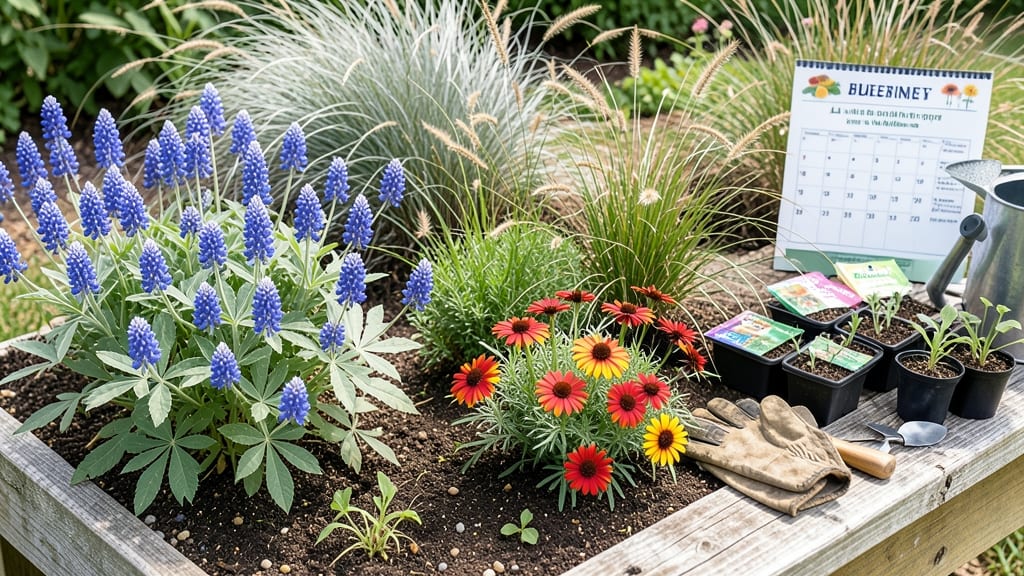
If you've ever watched your flower seeds wilt under Texas heat or freeze before sprouting, you know planting at the wrong time can turn dreams into dust.
The perfect window for sowing 🌱 isn't just about calendar months—it's about microclimates that can shift planting by weeks, from the Hill Country's cooler springs to the Gulf Coast's early starts.
I've spent years tracking Texas's diverse zones, and what I've learned will save you from common mistakes like planting too early in North Texas or waiting too long in the Rio Grande Valley. Whether you're growing annuals for summer color or perennials that return year after year, timing is everything.
Let's break down exactly when to start seeds indoors, when to direct-sow outdoors, and how to adjust for your specific corner of the state.
You'll discover how soil temperature and frost dates create windows that vary by hundreds of miles—and why some flowers thrive with a head start while others prefer cooler spring air.
By the end, you'll have a clear planting schedule tailored to your Texas location, plus pro tips to beat heat, drought, and other local challenges. Ready to grow flowers that actually take root?
Texas flower seed planting calendar by USDA zones (7-10)
Texas stretches across USDA Zones 7 through 10, creating wildly different planting conditions. In Zone 7 (North Texas), last frosts can linger until March 15, while Zone 10 (Gulf Coast) enjoys frost-free winters.
Understanding these zones helps you avoid frost damage or heat stress—both deadly for young seedlings.
Soil temperature matters just as much as frost dates. Most flower seeds need soil at 60°F+ to sprout, but cool-season flowers like pansies tolerate 50°F soil. The Gulf Coast can plant earlier, while Hill Country gardeners wait until April to avoid late frosts.
Below is your zone-by-zone planting guide, including ideal months for annuals, perennials, and bulbs. Use these benchmarks to align your planting with Texas’ unpredictable weather patterns.
🌱
In Zone 7, where North Texas cities like Amarillo and Abilene sit, aim to plant annual flower seeds after April 15. This timing ensures soil warms to 60°F+ and avoids late frosts. Cool-season flowers like pansies and snapdragons can go in as early as September for fall blooms.
Central Texas (Zone 8)—home to Austin and San Antonio—offers a longer growing season. Start annual seeds in March for spring blooms, but wait until May for heat-loving varieties like sunflowers and marigolds. Perennials like black-eyed Susans thrive when seeded in fall.
East Texas (Zone 9) and the Gulf Coast (Zone 10) can plant annuals year-round, but avoid summer heat (June–August). Zone 10 gardeners in Houston or Corpus Christi can even direct-sow tropical flowers like hibiscus in winter for early spring blooms.
For bulbs, fall planting is critical. In Zone 7, plant tulips and daffodils by November to establish roots before winter.
In Zone 10, fall planting extends into December, but avoid soggy soils. Native bulbs like bluebonnets (if grown from seed) need cool stratification—plant in fall for spring blooms.
Pro tip: Use a soil thermometer to confirm 60°F+ soil before planting warm-season seeds. In Zone 7, this often means waiting until mid-April, while Zone 10 may be ready by February. Adjust for shade or wind exposure—containers dry out faster and may need earlier planting.
🌿
Microclimate adjustments: when to plant in urban vs. rural Texas
Texas cities like Austin and Dallas can feel like different planets compared to the Hill Country or West Texas plains. Urban areas trap heat, while rural zones experience dramatic temperature swings. These microclimates shift planting windows by 2-4 weeks, so your neighbor’s success might spell disaster for your garden.
In cities, heat islands push soil temperatures up faster, letting you plant marigolds and zinnia seeds 2 weeks earlier than rural areas. Meanwhile, rural gardens often wait for soil warmth to reach 70°F—sometimes not until mid-April in West Texas. Let’s break down how to adapt your planting schedule.
🌱 Key Adjustments:
- Urban areas: Start seeds indoors by February for early blooms
- Rural areas: Wait until soil warms naturally (late March)
- Elevation matters: Hill Country gardens plant 1-2 weeks later than coastal zones
| Factor | Urban (Austin/Dallas) | Rural (Hill Country/West Texas) |
|---|---|---|
| Heat Island Effect | Soil warms 2-3 weeks faster | Natural warming delays planting |
| Ideal Planting Window | Late Feb-March for sun-lovers | Mid-April for most flowers |
| Shade-Tolerant Picks | Impatiens, coleus, fuchsia | Blackfoot daisy, Mexican hat |
| Sun-Loving Stars | Zinnias, lantana, sunflowers | Bluebonnets, Indian blanket |
| Wind Consideration | Use windbreaks for delicate petunias | Native grasses thrive with open exposure |
For urban gardens, prioritize heat-tolerant varieties like Mexican sunflower (Tithonia rotundifolia) that thrive in 90°F+ soil. In rural areas, focus on drought-resistant natives such as autumn sage (Salvia greggii) that handle West Texas winds and caliche soil.
Adjust your shade strategies too: Urban gardens often need afternoon shade for geraniums, while rural gardens benefit from morning sun protection for black-eyed Susans. Test your microclimate by placing a soil thermometer at planting depth—60°F is the magic number for most seeds.
Pro tip: Container gardens in cities heat up faster than in-ground beds. Use light-colored pots and self-watering systems to extend your planting window. In rural areas, mulch heavily to retain moisture during 100°F+ days—straw or wood chips work best.