
Flowers
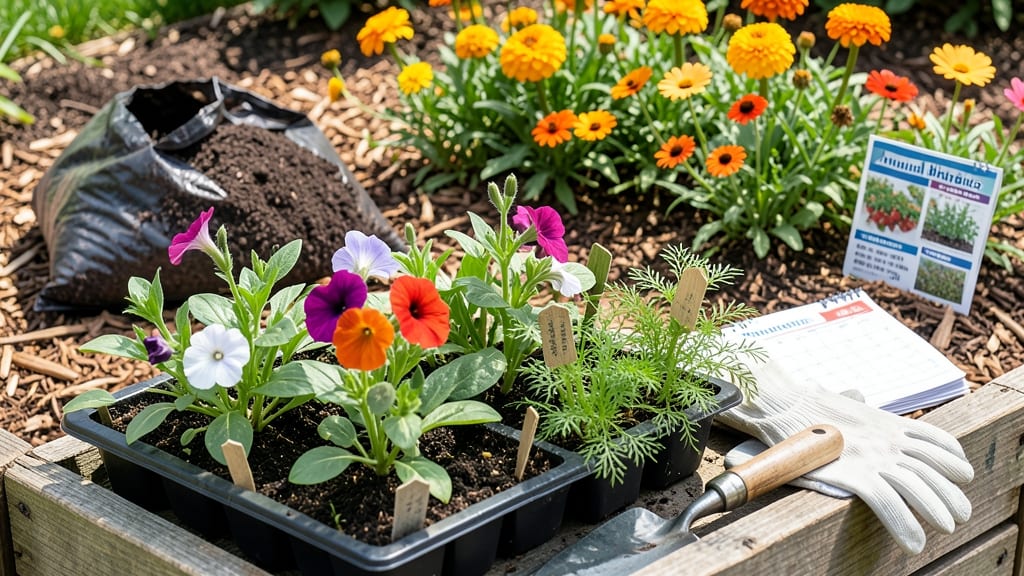
Planting flower seeds in Indiana at the wrong time can mean the difference between a garden bursting with 🌸 color and a season of disappointment.
With USDA Zone 6a frost dates that shift from north to south, timing your plantings right is key—especially when your last frost typically arrives around April 15 and the first chill hits by October 15.
Whether you're dreaming of vibrant annuals or hardy perennials, getting the timing down matters more than you might think.
Skip the guesswork and learn exactly when to start seeds indoors, when to direct-sow in your garden, and how to stretch your blooming season with smart planting tricks tailored to Indiana’s climate.
From the cool springs of northern counties to the warmer southern regions, we’ll break down the best months for planting—whether you’re prepping for a spring explosion of color or planning a fall finale. Ready to turn your garden into a year-round showstopper?
Let’s dive into the secrets of Indiana’s planting calendar, so you can enjoy bold blooms from March through October—no matter where you live in the state.
Indiana’s flower seed planting calendar by heat Zone and county
Indiana spans USDA Hardiness Zones 5a–6b, creating distinct planting windows from northern Lake County (5b) to southern Dubois County (6a). Miss the last spring frost or plant too early, and your seeds may rot or freeze.
Get these deadlines right, and you’ll enjoy bold blooms from spring to fall without the guesswork.
Most Indiana counties experience their last spring frost between April 15 (northern) and May 1 (southern). The first fall frost typically arrives between October 15 (northern) and November 1 (southern). These dates dictate when to start seeds indoors and when to direct-sow outdoors for maximum success.
Use this county-specific guide to align your planting with Indiana’s heat zones and frost patterns. Whether you’re growing heat-loving zinnias or cold-hardy coneflowers, timing ensures your garden thrives year-round.
| Heat Zone | County Example | Last Spring Frost | First Fall Frost | Indoor Start (Weeks Before Last Frost) | Direct Sow (Outdoor) |
|---|---|---|---|---|---|
| 5a | Steuben, Kosciusko | April 20–May 1 | October 10–15 | 6–8 weeks before April 20 | May 10–June 1 |
| 5b | Lake, Porter | April 15–25 | October 15–20 | 6–8 weeks before April 15 | April 25–May 15 |
| 6a | Dubois, Gibson | April 1–10 | October 25–November 1 | 6–8 weeks before April 1 | April 10–May 1 |
| 6b | Vanderburgh, Posey | March 25–April 5 | November 5–10 | 6–8 weeks before March 25 | March 20–April 15 |
For northern Indiana (Zones 5a–5b), like Lake County, start cool-season flowers (e.g., calendula, snapdragons) indoors by March 1. Direct-sow after your last frost date, typically April 25.
In southern Indiana (Zones 6a–6b), such as Dubois County, you can plant warm-season seeds (e.g., marigolds, zinnias) as early as March 20.
Fall planting is just as critical. In Zone 5a, sow hardy annuals (e.g., cosmos, bachelor’s buttons) by August 1 for fall blooms. In Zone 6b, extend your window until September 15. Always aim to give seeds 6–8 weeks of growth before the first frost.
Pro tip: Use row covers to push early spring plantings or extend fall blooms. For example, in Porter County (5b), cover pansies planted in late August to protect them from early frosts and enjoy blooms until December.
Indoor starts require grow lights or a sunny windowsill. Begin tender annuals (e.g., petunias, geraniums) 8–10 weeks before your last frost. For Zone 5a, that means February 15; for Zone 6b, start by January 15.
Native wildflowers like black-eyed Susans and purple coneflowers thrive with direct sowing in spring. Plant them after your last frost date for low-maintenance color that lasts all summer. In Gibson County (6a), these perennials can even self-seed, creating naturalizing meadows.
Always check soil temperatures before planting. Seeds need 50–60°F soil for cool-season varieties and 60–70°F
Best flowers to plant in Indiana by season: fast-growing annuals vs. perennial stunners
Indiana’s diverse climate means your garden can burst with color year-round, but the key is choosing the right flowers for each season. Fast-growing annuals like zinnias and marigolds deliver instant summer vibrancy, while perennial stunners like coneflowers and black-eyed Susans return every year with minimal effort.
Southern Indiana’s warmer microclimates (like Vigo County) allow for longer growing seasons, while northern areas (like Steuben County) need cold-hardy varieties.
For summer-long blooms, prioritize heat-tolerant annuals that thrive in Indiana’s hot, humid summers. In contrast, spring-blooming perennials like bleeding hearts and iris bring early color before the heat sets in.
Fall offers a second chance with cool-season flowers like asters and chrysanthemums, while winter interest plants like hellebores keep your garden lively even in frost.
- 🌱 Spring Planting (March–May): Start cool-season annuals (pansies, snapdragons) and hardy perennials (peony, daylily) after last frost (mid-April in most counties). Southern Indiana can plant marigolds as early as February under row covers.
- ☀️ Summer Planting (June–July): Sow heat-loving annuals (zinnias, cosmos, sunflowers) after soil temps hit 60°F+. Succession plant every 2–3 weeks for continuous blooms until frost.
- 🍂 Fall Planting (August–September): Plant cool-season perennials (asters, goldenrod) and winter-hardy annuals (pansies, sweet alyssum) 6–8 weeks before first frost (typically mid-October). Southern counties can extend deadlines by 2–3 weeks.
- ❄️ Winter Prep (October–February): Order perennial seeds and start tender annuals indoors (like petunias) 8–10 weeks before last frost. Mulch woody perennials (like butterfly bush) to protect roots.
In northern Indiana (USDA Zone 5a–5b), focus on cold-hardy perennials like coneflowers and black-eyed Susans, which tolerate late spring frosts and early fall chills. These drought-tolerant stunners thrive with minimal water once established, making them perfect for low-maintenance gardens.
For instant summer color, pair them with fast-growing annuals like marigolds (which repel pests) and cosmos (which attract pollinators).
Southern Indiana’s warmer microclimates (Zone 6a–6b) open doors to tropical-inspired annuals like celosia and portulaca, which flourish in intense heat and poor soil. These drought-resistant beauties pair well with heat-tolerant perennials like salvia and lavender, creating a low-water, high-impact garden.
For extended blooms, interplant spring bulbs (like daffodils) with summer annuals to ensure color from April through October.
Pro tip: Use succession planting to keep your garden blooming all season. For example, sow zinnias every 3 weeks from May to July for nonstop color. Pair them with self-seeding annuals like cosmos and sunflowers, which reseed themselves for next year’s garden.
In fall, add mums and asters to bridge the gap until winter interest plants take over.
Don’t forget native wildflowers like purple coneflower and bee balm, which thrive in Indiana’s humid climate and support local pollinators. These low-maintenance perennials return year after year, reducing your workload while adding wild, natural beauty to your landscape.
For urban gardens, opt for compact varieties like dwarf daylilies or miniature zinnias to maximize space without sacrificing color.