
Plants
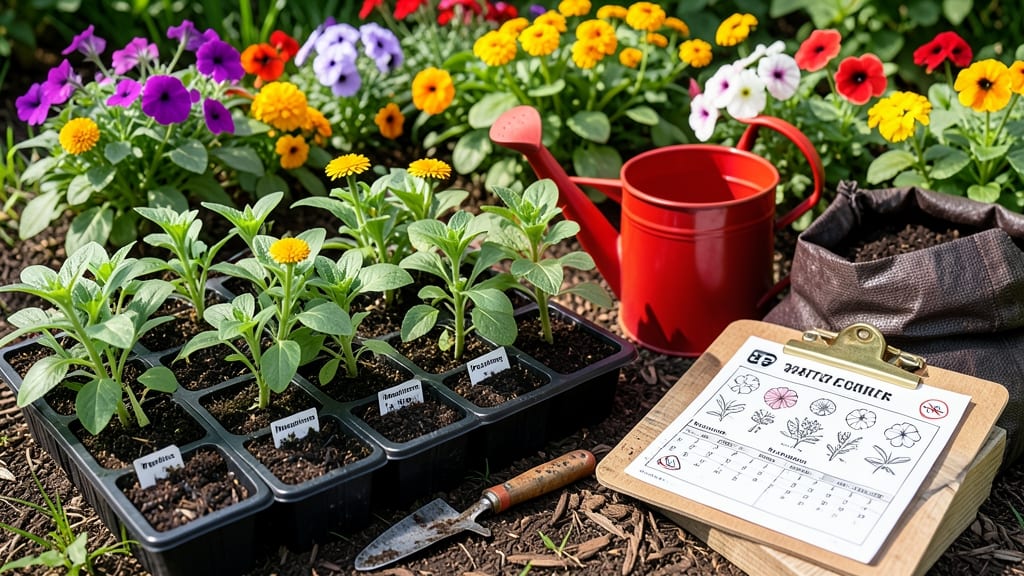
Timing when to plant annuals in Wisconsin just right means the difference between a garden that thrives and one that struggles through late frosts.
If you plant too early, those delicate seedlings could get nipped by a surprise freeze, while waiting too long might leave you scrambling to enjoy summer blooms.
Wisconsin’s 4a-5b zones bring unpredictable frost dates, but knowing the ideal planting windows—April 15 to May 15 for spring and July 1 to August 15 for fall—lets you work with Mother Nature instead of against her.
The key is balancing patience with opportunity, especially when selecting cold-hardy varieties that can handle Wisconsin’s chilly shoulders.
I’ve learned the hard way that skipping soil prep or ignoring microclimates can turn a promising garden into a 50/50 gamble.
But with the right strategies—like row covers, succession planting, and choosing frost-tolerant picks—you can extend your growing season and enjoy vibrant annuals from early summer through crisp fall mornings.
Let’s dive into exactly when to plant, which varieties perform best in Wisconsin’s climate, and how to protect your investments from those sneaky late frosts. Your garden’s success starts with timing, and I’ll show you how to get it right every season.
Wisconsin frost dates and safe planting windows by region
Wisconsin’s USDA hardiness zones 4a-5b mean frost dates vary dramatically from the southern tip near Milwaukee to the northern forests near Duluth. Understanding these windows is key to avoiding frost damage while maximizing your annual blooms and harvests.
In southern Wisconsin, the average last frost arrives by April 15th, while northern regions often wait until May 15th or later. This regional difference can mean a 4-week gap in planting schedules—so let’s break it down.
For heat-loving annuals like tomatoes and marigolds, waiting until after the last frost date is critical. These plants cannot tolerate freezing temperatures, so rushing them out too early risks wilted leaves or death.
Meanwhile, cold-hardy varieties such as pansies and snapdragons can handle light frosts and may even thrive in early spring plantings. The key is matching your plant type to your region’s frost timeline—and that’s where this guide helps.
Pro Tip: Use the Wisconsin State Climatology Office or Almanac frost predictors to track real-time updates. These tools adjust for microclimates (like urban heat islands) and year-to-year variability, giving you a more precise planting window than generic averages.
🌱
| Region | Avg. Last Frost | Safe Planting Window | Cold-Hardy Annuals | Heat-Loving Annuals |
|---|---|---|---|---|
| Southern WI (Milwaukee, Madison) | April 15 | April 20 – May 10 | Pansies, Snapdragons, Lettuce | Tomatoes, Petunias, Marigolds |
| Central WI (Green Bay, Wausau) | May 1 | May 10 – May 25 | Violas, Kale, Spinach | Peppers, Basil, Zinnias |
| Northern WI (Duluth, Eau Claire) | May 15 | May 25 – June 5 | Calendula, Swiss Chard, Radishes | Sunflowers, Cosmos, Cucumbers |
| All Regions (Fall Planting) | October 15 | July 15 – August 15 | Asters, Pansies, Kale | Bush Beans, Nasturtiums |
Southern Wisconsin gardeners enjoy the earliest planting windows, often starting cold-hardy annuals in late April. If you’re in Milwaukee or Madison, you can safely plant pansies and lettuce by April 20th—but wait until May 1st for tomatoes and peppers.
The central region, including Green Bay and Wausau, faces a 2-week delay, with May 10th marking the safe start for most heat-loving varieties.
Northern Wisconsin’s shorter growing season demands patience. Areas like Duluth and Eau Claire typically wait until May 25th to plant annuals outdoors. Here, cold frames or row covers become essential tools to extend the season and protect tender plants.
Even in these cooler zones, fast-growing annuals like radishes and calendula can thrive with proper timing and care.
Don’t overlook fall planting, which offers a second chance to grow annuals. In Wisconsin, July 15th to August 15th is the ideal window for cool-season crops like kale and pansies.
These plants germinate quickly in warm soil but tolerate cooler temps, making them perfect for late-summer sowings. For heat-loving annuals like bush beans and nasturtiums, aim to plant by July 1st to ensure they mature before frost.
To push your planting windows further, consider succession planting—sowing small batches of fast-growing annuals every 2 weeks. This technique ensures a continuous harvest of lettuce, radishes, and flowers throughout the season.
Pair this with row covers or cold frames to protect early plantings from unexpected late frosts, which can occur even after the average last frost date.
Always monitor soil temperature before planting. Most annuals thrive when soil reaches at least 50°F (10°C). Use a soil thermometer to check—especially in northern or shaded areas where soil warms more slowly. Cold soil slows germination, leading to weak, leggy seedlings that struggle to establish.
Finally, keep a garden journal to track your local frost dates and plant performance. Over time
Top 5 cold-hardy annuals that thrive after Wisconsin’s late frost
Wisconsin’s late spring frosts can delay planting, but some annuals are tough enough to handle chilly temperatures. These cold-hardy varieties won’t wilt when nighttime temps dip below freezing—giving you early color and harvests even after Mother Nature throws a curveball.
Whether you’re craving vibrant blooms or fresh greens, these plants prove that timing isn’t everything when you pick the right varieties.
From bright pansies that defy frost to crisp spinach ready for harvest weeks ahead of schedule, these annuals are my go-to for Wisconsin’s unpredictable climate. Each one has been battle-tested in my garden, where late frosts often arrive after the calendar says spring has sprung.
With the right care, they’ll reward you with long-lasting beauty and bountiful harvests—no guessing games required.
- 1 Pansies – Survive 25°F; plant 4-6 weeks before last frost (March-April). Choose Viola tricolor varieties like 'Ice King' for bold winter color. Deadhead spent blooms to encourage continuous flowers until frost. 🌷
- 2 Snapdragons – Tolerate 20°F; sow seeds indoors 8-10 weeks before last frost or direct-sow in May. 'Rocket Mix' thrives in cool weather and self-seeds reliably. Pinch back tips to promote bushier growth and longer blooming. 🌼
- 3 Lettuce ('Black Seeded Simpson') – Grows at 40°F+; sow every 2 weeks from April to July for continuous harvests. Prefers partial shade to prevent bolting. Harvest outer leaves first to extend plant life by 6+ weeks. 🥬
- 4 Spinach ('Bloomsdale Long Standing') – Thrives at 50-65°F; plant as soon as soil thaws (March-April) or late summer for fall harvests. Rich in iron and vitamins, it bolts less in cool weather. Harvest young leaves for tender texture or mature leaves for heartier greens. 🌱
- 5 Calendula ('Bonanza Mix') – Endures 28°F; direct-sow 2-3 weeks before last frost or after soil warms. Edible petals add color to salads and repel pests like aphids. Deadhead spent blooms to stimulate more flowers until frost. 🌻
My secret weapon for extending these plants’ seasons? Floating row covers. They add 2-4°F protection and let light through, so I can plant snapdragons in May instead of waiting for June.
For vegetables like spinach, I use low tunnels to harvest into November—even when temps drop below freezing. The key is monitoring weather forecasts and acting fast when a late frost warning pops up.
Don’t overlook soil prep either. Amend beds with compost and aged manure before planting to boost cold tolerance. These annuals reward healthy soil with vibrant growth, especially in Wisconsin’s clay-heavy soils.
I always mulch with straw to insulate roots and retain moisture during our unpredictable spring rains. With these tips, your cold-hardy annuals will outperform expectations—no matter what Wisconsin throws at them. 🌿
Pro tip: Succession plant lettuce and spinach every 2 weeks to avoid bolting and ensure a steady harvest. For flowers, interplant pansies and calendula with heat-loving annuals like marigolds. This extends your garden’s