
Plants
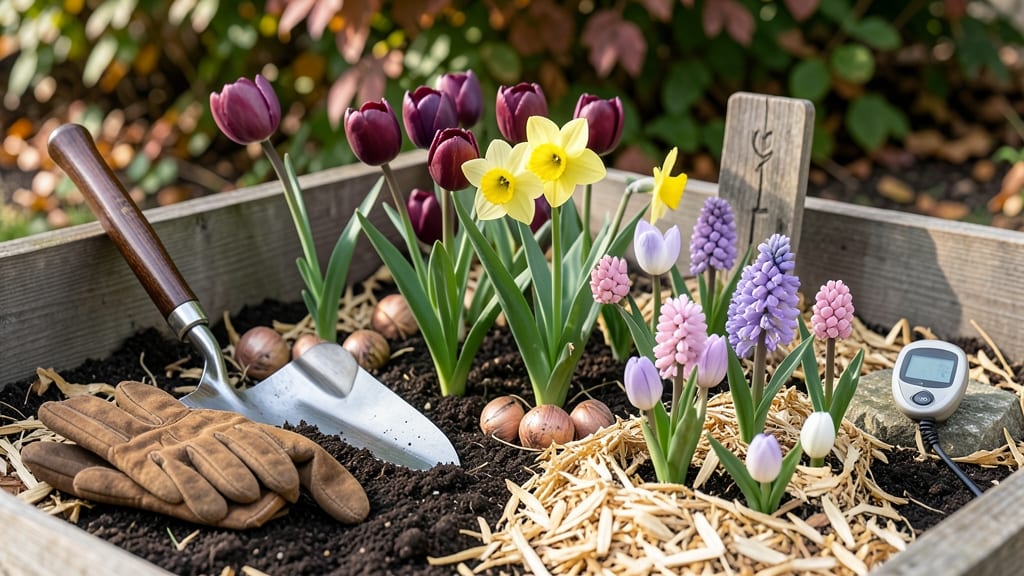
If you've ever planted spring flowering bulbs (tulips, daffodils, hyacinths, crocuses) in Indiana only to watch them fail because of timing, you're not alone. The key to vibrant blooms next spring lies in planting them at the right time—before the ground freezes but after the soil cools.
In Indiana's USDA Zones 5b-6b, the perfect window opens between September and November, but missing even a few weeks can mean the difference between a stunning garden and a disappointing one.
I'll break down exactly when to plant each type of bulb to ensure they establish strong roots before winter sets in.
You don't need a green thumb to get this right—just a few simple rules about soil temperature and frost dates. Let me show you how to time your planting for zero-frost success, whether you're in northern Indiana or the warmer southern regions.
By the end, you'll know exactly when to dig in your 🌷 bulbs for a showstopping spring display that will make your neighbors jealous. Ready to transform your garden next year?
Indiana planting deadlines by hardiness Zone (5-6a/b)
Indiana’s USDA Zones 5 and 6a/b create distinct planting windows for spring-blooming bulbs. In Zone 5, where first frosts arrive by October 15, you have a slightly shorter window than Zone 6a/b (frost dates October 22-31).
Missing these deadlines means bulbs like tulips and hyacinths won’t establish roots before winter, leading to poor blooms or no flowers at all.
For fall-planted bulbs—the majority of spring bloomers—aim to plant 6-8 weeks before ground freezes. This ensures roots grow strong enough to survive Indiana’s winter freeze-thaw cycles.
In my garden, I mark my calendar for mid-September to early November to stay on track, but your exact timing depends on your specific zone and microclimate.
| Zone | Planting Window | First Frost Date | Ideal Planting Months | Bulb Types |
|---|---|---|---|---|
| Zone 5 | September 15 - October 15 | October 15 | September, October | Tulips, Daffodils, Crocuses, Hyacinths |
| Zone 6a | September 20 - October 22 | October 22 | September, October, Early November | Alliums, Snowdrops, Late-Blooming Tulips |
| Zone 6b | September 25 - November 1 | October 31 | September, October, November | Daffodils, Hyacinths, Large Flowering Tulips |
🌱 Pro Tip: Use a soil thermometer—plant when temps hit 60°F.
In Zone 5, I prioritize early September planting for tulips and hyacinths, as they need more time to root. These bulbs are frost-sensitive once planted, so rushing them risks poor establishment.
For daffodils, which are more cold-hardy, I extend planting into mid-October—they handle Indiana’s early frosts better than tulips.
Zone 6a/b gardeners have more flexibility, but don’t wait until November. By then, soil temperatures drop below 50°F, slowing root growth. I’ve seen late-planted hyacinths in Zone 6b fail to bloom the following spring because their roots didn’t mature enough before winter.
Always check Purdue Extension’s frost dates for your specific county to fine-tune your schedule.
For spring-planted bulbs like crocuses and snowdrops, timing shifts to late winter. Plant these 4-6 weeks before your last frost date (typically March 15-April 15 in Indiana).
These bulbs naturalize quickly, so I plant them in late February to early March in Zone 6b for reliable early spring color.
Soil preparation is just as critical as timing. Amend your beds with compost or well-rotted manure before planting to improve drainage—a must for Indiana’s clay-heavy soils. I also add a 1-inch layer of mulch after planting to insulate bulbs and retain moisture during dry spells.
This simple step has doubled my tulip survival rate in Zone 5.
If you’re in a microclimate (like a sheltered south-facing slope), you can push planting dates 1-2 weeks later. Conversely, low-lying areas with frost pockets may need earlier planting. Observe your garden’s patterns for 3 years to refine your schedule—Indiana’s weather is too variable to rely on averages alone.
Remember: Bulbs need chill hours to bloom. Most spring bulbs require 12-16 weeks below 40°F. In Zone 6b, this happens naturally, but in Zone 5, you might need to plant earlier to ensure sufficient chilling.
For tulips, this means aiming for September planting even if your zone allows later dates.
Finally, label your bulbs if planting a mix of varieties. I use wooden plant markers to track tulip, daffodil, and hyacinth locations—this helps me rotate planting spots yearly to prevent soil-borne diseases. With these deadlines and tips, your Indiana bulb garden will thrive year after year.
How to time your bulb planting for perfect bloom timing
Timing your bulb planting in Indiana isn’t just about avoiding frost—it’s about orchestrating a perfect bloom sequence that brightens your garden from early spring through late spring. Tulips, daffodils, and hyacinths each have ideal planting windows to ensure they emerge at the right time, creating a cascading display of color.
The key lies in understanding your local microclimate and adjusting planting dates based on whether you want early or late blooms.
For Indiana gardeners, the Purdue Extension frost dates serve as your best guide. Northern Indiana (Zone 5b) typically has a first hard frost around October 15-31, while southern Indiana (Zone 6a/b) may wait until November 1-15.
Planting bulbs 6-8 weeks before that first frost ensures roots establish before winter sets in. But timing also affects bloom season—plant early for early blooms, or delay slightly for later, more dramatic displays.
- 1 Early Bloom (March-April): Plant September 15-October 15 for crocuses and early tulips. These hardy bulbs need time to root deeply before winter.
- 2 Mid-Season Bloom (April-May): Aim for October 1-31 planting to sync daffodils and hyacinths with peak spring colors. Soil temps should be 60°F or below for best results.
- 3 Late Bloom (May-June): Delay planting until November 1-15 (Zone 6a/b only) for late tulips like Darwin Hybrids. These need slightly warmer soil to prevent early sprouting.
- 4 Soil Temp Threshold: Use a soil thermometer to confirm temps are below 60°F before planting. Warmer soil can trigger premature sprouting, leading to frost damage.
- 5 Microclimate Adjustments: South-facing slopes warm faster—plant 2 weeks earlier here. Low-lying areas stay cold longer; delay planting by 1-2 weeks to avoid frost.
Adjusting your planting schedule based on bloom timing lets you create a staggered garden display. For example, plant crocuses in September for early color, then add tulips in October and hyacinths in November to extend your spring show.
This technique also helps prevent overcrowding—bulbs planted too close together compete for nutrients, leading to weaker blooms.
Don’t overlook the role of soil temperature in your timing strategy. Bulbs planted in warm soil (above 60°F) may sprout too soon, only to be killed by a late frost. Use a soil thermometer to monitor conditions, especially in Zone 6b, where spring can fluctuate wildly.
If temps rise unexpectedly, cover newly planted bulbs with a thick layer of mulch to insulate them until the ground cools.
For precision planting, cross-reference Purdue Extension’s frost-free dates with your local microclimate. Northern Indiana’s Zone 5b gardeners should prioritize early planting (by October 15), while Zone 6a/b gardeners in southern Indiana have until November 1.
Always plant bulbs 3x deeper than their diameter—this ensures they’re below the frost line and protected through winter.
Pro tip: Mark your planting calendar with bloom expectations for each variety. Early bloomers like crocuses and snowdrops can handle Indiana’s freeze-thaw cycles, while late tulips need consistent soil temps to thrive.
By aligning your planting dates with these bloom windows, you’ll enjoy a garden that bursts into color just as Indiana’s winter chill fades away. 🌷