
Plants
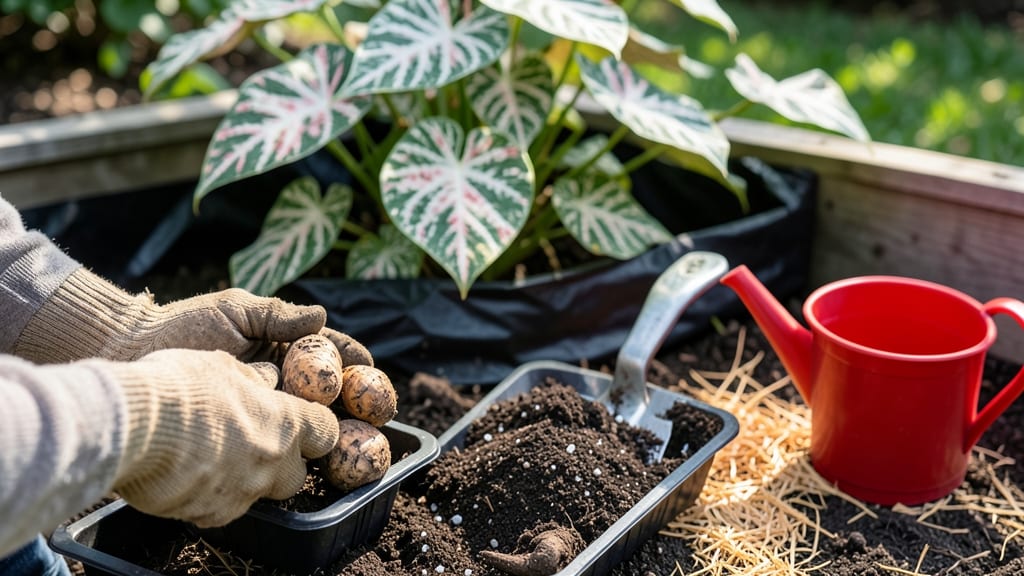
Planting caladium bulbs in North Texas at the wrong time can mean the difference between show-stopping foliage and sad, wilted leaves.
The key to vibrant 🌿 caladium plants lies in waiting until the soil warms to at least 65°F—typically after your last frost date in late March or early April.
Why does timing matter so much? These tropical plants hate cold soil, and planting too early risks frozen roots or stunted growth. But waiting too long can mean missing the perfect window for lush, colorful leaves that thrive in our 8a climate.
Let me show you exactly when to plant for maximum impact.
Most gardeners in North Texas make one of two mistakes: rushing in March when nights are still chilly, or waiting until June when the heat is already intense. The sweet spot? Planting in April or early May when soil temperatures are consistently warm and the risk of frost has passed.
In this guide, I’ll walk you through the best planting times, how to check your soil’s readiness, and even which caladium varieties handle our heat the best. Ready to grow stunning foliage that lasts all season? Let’s get started.
Optimal planting timeline for caladium bulbs in North Texas based on soil temperature
Caladium bulbs thrive in North Texas' warm spring soil, but timing is everything. These tropical beauties need consistent temperatures above 65°F to sprout and flourish. Planting too soon risks frost damage, while waiting too late may mean missing their peak summer foliage display.
Let's break down the perfect window for your North Texas garden.
In North Texas (USDA Zone 8a), the last frost typically occurs around March 15, but that doesn't mean it's safe to plant caladiums immediately. These bulbs are sensitive to cold, and even nighttime temperatures below 50°F can stunt growth or kill emerging shoots.
The key is waiting for soil warmth to stabilize at 65°F or higher.
Here's where most North Texas gardeners make mistakes: they rely solely on calendar dates rather than actual soil temperatures. A sunny April day might feel warm, but the soil could still be too cool for caladiums.
That's why I recommend testing your soil temperature before planting—it's the most reliable indicator of readiness.
You can test soil temperature using a simple soil thermometer (available for under $10). Stick it 4 inches deep (the planting depth for caladiums) and check readings in the morning.
For best results, take measurements over 3-5 consecutive days to account for daily fluctuations. Consistency is key—your soil should stay above 65°F day and night.
Another method gaining popularity among tropical plant enthusiasts is using moon planting charts. While not scientifically proven, many gardeners swear by planting during the waxing moon phase (when the moon is growing) for better root establishment.
For caladiums, this often aligns with late April to early May in North Texas, when both soil temperatures and lunar cycles favor growth.
Let's compare the most reliable planting windows based on soil temperature and local climate patterns in North Texas:
| Planting Window | Soil Temperature Requirement | North Texas Typical Dates | Risks If Planted Too Early | Best Practices |
|---|---|---|---|---|
| Early Window (Aggressive) | 55-60°F (with protection) | Mid-March (with row covers) | Frost damage, slow growth, rot | Use black plastic mulch, plant in containers |
| Ideal Window (Recommended) | 65°F+ consistently | Late April - Early May | None (optimal conditions) | Test soil temp, plant after last frost |
| Late Window (Risky) | Above 70°F | Mid-May - June | Missed peak foliage, heat stress | Provide afternoon shade, mulch heavily |
| Container Planting | 60°F+ (move indoors at night if needed) | April - June (flexible) | Root bound if too small | Use 6"+ pots, ensure drainage |
If you're planting in containers, you have slightly more flexibility since you can move pots to warmer microclimates or even bring them indoors during unexpected cold snaps. However, even container-grown caladiums need soil that stays above 60°F at night for consistent growth.
I've had success with black plastic-lined containers that absorb and retain heat better than regular pots.
For in-ground planting, consider your specific microclimate. South-facing beds warm up faster than north-facing ones, so you might plant 2-3 weeks earlier in sunny spots. If your garden has clay-heavy soil common in North Texas, amend it with compost or peat moss to improve drainage and warmth retention.
These amendments help soil reach optimal temperatures faster in spring.
Pro tip: If you're unsure about soil temperatures, watch for natural indicators. When henbit or chickweed (common spring weeds in North Texas) start thriving, your soil is likely warm enough for caladiums.
These weeds emerge when soil temps hit 50-55°F, so wait another 2-3 weeks for optimal caladium planting conditions.
Remember, caladiums are not frost-tolerant, but they also can't handle extreme heat once established. The ideal planting window balances these extremes, giving your plants time to establish roots before summer's intensity.
With proper timing, you'll enjoy vibrant foliage from June through October—just in time for North Texas' hottest months!
Signs your North Texas soil is ready for caladium bulbs (and what to do if it’s not)
North Texas gardeners often wait for consistent warmth before planting tropical plants like caladiums. The key is watching for soil temperature stability—aim for 65°F+ consistently at 4-inch depth. This usually aligns with late April to early May in most of North Texas, but don’t rely solely on the calendar.
One of the best natural indicators is the emergence of henbit and dandelions. These weeds thrive in warming soil and signal that temperatures are safe for caladiums.
If you see them popping up, it’s time to test your soil’s readiness with a simple moisture check—stick your finger 2-3 inches deep.
If the soil feels warm to the touch (like a baby’s skin) and holds moisture without becoming soggy, your garden is likely ready. However, North Texas’ clay-heavy soils can be tricky—amend them with compost or peat moss to improve drainage before planting.
⚠️ Watch for False Springs!
Cold snaps after 50°F nights can still damage caladium bulbs. If your local forecast predicts 40°F or lower, delay planting or use row covers for protection. North Texas’ Zone 8a can swing wildly—always check 7-day forecasts before planting.
Another tell-tale sign is the behavior of your existing perennials. If daylilies and black-eyed Susans are already showing new growth, your soil is likely warm enough. For extra peace of mind, use a soil thermometer—caladiums need consistent warmth, not just a brief warm-up.
If your soil is too cold, don’t rush—caladium bulbs planted in chilly soil rot instead of root. Instead, start them indoors under grow lights or wait until late May. For clay-heavy soils, mix in sand or perlite to prevent waterlogging, which can suffocate roots.
Once your soil passes these tests, plant your caladium bulbs 3-4 inches deep in partial shade (morning sun, afternoon shade). Mulch with straw or shredded leaves to maintain even soil temperatures and reduce watering needs during North Texas’ scorching summers.