
Flowers
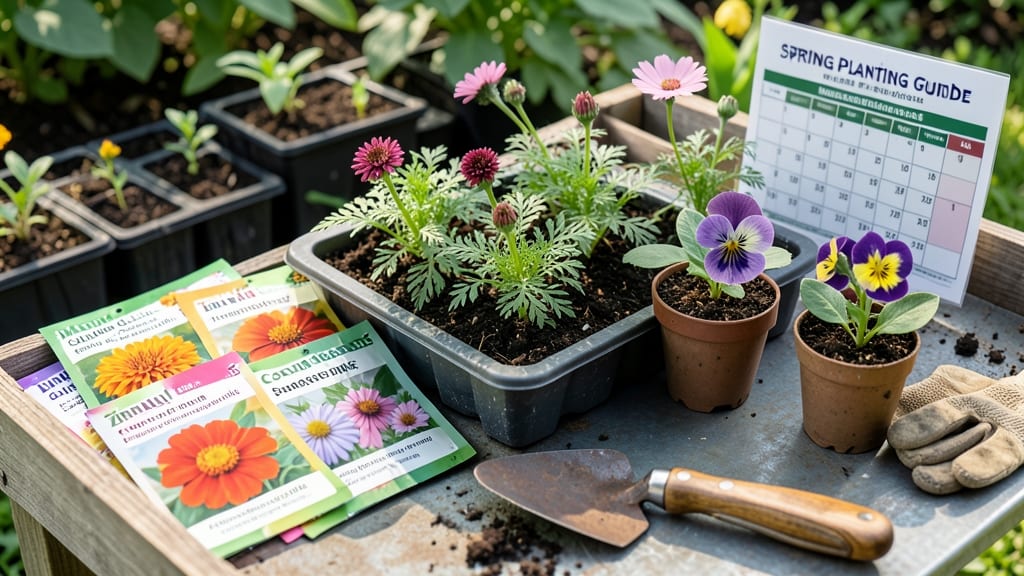
Planting flower seeds at the wrong time in Massachusetts can mean the difference between a vibrant garden bursting with color and a sad, frost-killed disappointment. Whether you're dreaming of cheerful zinnias or hardy pansies, knowing the perfect planting window for your zone is the key to success.
With USDA zones 5b-6b across the state, your timing depends on whether you're sowing cool-season blooms like snapdragons or heat-loving varieties such as cosmos.
I'll walk you through the exact months to start seeds indoors and when to tuck them directly into the soil—plus how to adjust for those tricky early or late frost years that Massachusetts loves to throw at us.
From the first frost dates in April to the golden days of September, we'll cover everything you need to know. You'll discover which flowers thrive when planted in spring versus fall, and how to stretch your blooming season with simple tricks.
Let's get those 🌸 flower seeds in the ground at just the right moment!
Ready to transform your yard into a year-round floral show? The secret starts with planting at the perfect time—and I’ve got the zone-specific schedule to make it happen. Let’s dive in!
Massachusetts planting zones: when to start flower seeds indoors vs. outdoors
Massachusetts spans USDA zones 5a-7a, meaning gardeners must account for last frost dates ranging from late April in the north to early May in the south. For example, Boston typically sees its last frost around April 15, while Springfield averages May 1.
These variations dictate whether you should start seeds indoors 4-8 weeks early or plant directly outside after warming soil.
Cool-season flowers like pansies and sweet alyssum thrive when planted 4-6 weeks before last frost, while heat-lovers such as zinnias and marigolds need soil temperatures above 50°F—usually late May in most zones.
My strategy? I start warm-season seeds indoors in early April for a head start, then transplant after Memorial Day.
| Zone & Location | Last Frost Date | Indoor Start (Warm-Season) | Outdoor Planting Window |
|---|---|---|---|
| 5a (Northwest MA) | May 1 | Early April | May 15–June 1 |
| 5b (Boston Area) | April 15 | Mid-March | April 20–May 10 |
| 6a (Central MA) | April 20 | Late March | April 25–May 15 |
| 7a (Southeast MA) | April 1 | Early March | April 10–May 5 |
For annuals like zinnias, I begin seeds indoors 6-8 weeks before last frost—so in zone 5a, that’s around early April. Meanwhile, perennials such as black-eyed Susans can handle direct sowing 2-3 weeks before last frost for better root establishment.
I’ve learned the hard way that rushing outdoor planting leads to leggy, weak seedlings.
Cold-hardy biennials like foxgloves can even be sown in late summer (August) for spring blooms. These plants overwinter in the ground, so I mark their locations to avoid disturbing them. My trick? Use biodegradable plant markers to track where I’ve sown seeds for next year’s surprises.
Heat-loving summer annuals like cosmos and sunflowers can wait until soil warms to 60°F, typically mid-May in most zones. I test soil temperature with a thermometer to avoid false starts. Pro tip: Use black plastic mulch to warm soil faster in cooler zones.
In zone 5a, I prioritize cool-season flowers first, planting calendula and snapdragons in early April. By late May, I switch to warm-season varieties like portulaca and celosia, which thrive in the heat. This staggered approach ensures continuous blooms from spring through fall.
Don’t forget fall planting! Hardy flowers like asters and sweet William can be sown in late summer (August) for autumn color. I’ve had great success with pansies planted in September—they bloom until frost and handle light freezes beautifully.
Microclimates matter too. Urban areas like Boston may experience 2-3°F warmer temperatures than rural zones, delaying frost. I adjust my schedule by 1-2 weeks later in city gardens. Always check local weather forecasts and use frost-free date calculators for precision.
Finally, seed packet instructions are just guidelines. I’ve found that zinnias in zone 6a often need an extra week indoors to compensate for slower germination in cooler springs. When in doubt, I err on the side of starting seeds earlier—you can always move them outside later if needed.
With this zone-specific approach, my garden now bursts with bold blooms from May through October, proving that timing truly is everything in Massachusetts gardening. 🌸
Best flower seeds to plant by month in Massachusetts (with frost dates)
Massachusetts gardeners know that timing flower seeds is the key to a long, vibrant bloom season. With last frost dates ranging from mid-April in southern regions to late April in northern areas, aligning your planting schedule with the climate ensures success.
Whether you're sowing cool-season flowers like pansies or heat-loving annuals like sunflowers, each month offers unique opportunities for planting.
For Boston and coastal areas, the last frost typically arrives around April 15, while Worcester and Springfield often see their final freeze by April 20-25.
Use these dates as your guide, but always check local forecasts—late frosts can still occur. By planning ahead, you can enjoy continuous blooms from early spring through autumn.
For summer-long blooms, focus on cosmos and zinnias—both thrive in Massachusetts’ heat and drought-tolerant conditions. These self-seeding annuals often resow themselves, reducing your workload for future seasons. Pair them with marigolds to deter pests naturally while adding vibrant color.
Don’t overlook fall planting! Asters and chrysanthemums planted in late summer reward you with bold autumn displays. Even after the first frost, these flowers continue to shine, creating a stunning seasonal transition in your garden.
Pro tip: Use row covers for early spring plantings to protect tender seedlings from unexpected late frosts. This simple trick extends your planting window by 2-3 weeks, giving you more flexibility to experiment with unusual varieties like hollyhocks or delphiniums.