
Plants
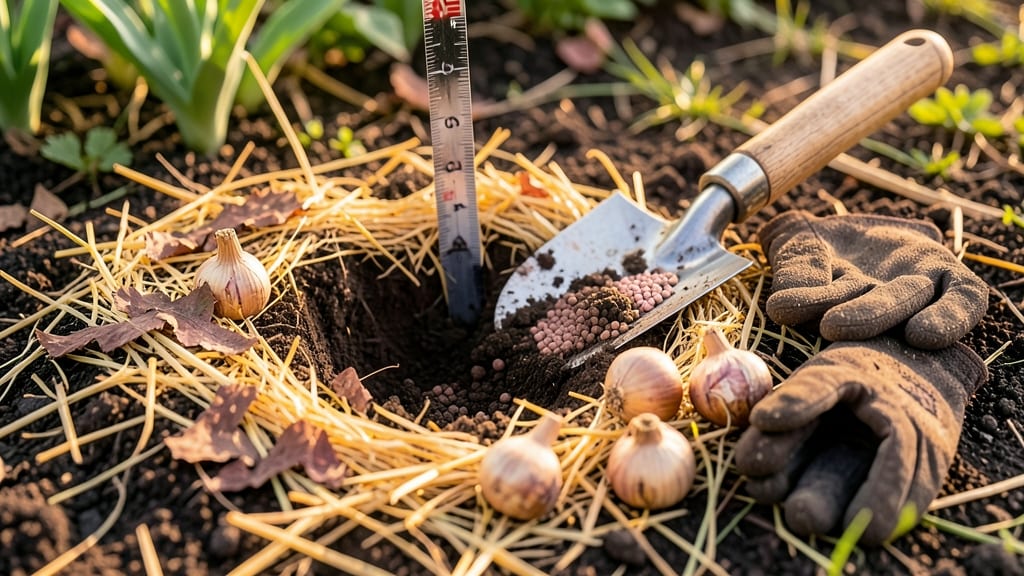
Planting tulips in Oklahoma might seem like a gamble with its unpredictable winters, but the key to zero-frost blooms lies in timing them perfectly with your zone’s chill hours. The 6b-7a climate here demands precision—too early, and the bulbs rot; too late, and they won’t bloom.
I’ve cracked the code for Oklahoma City, Tulsa, and beyond, so you can enjoy those 🌷 bursts of color come spring without the guesswork.
Most gardeners assume "fall planting" means "as soon as it cools down," but Oklahoma’s first hard frost (usually mid-November) changes everything. The sweet spot is September through November, when soil temps drop to 50-60°F—ideal for bulb roots to establish before winter.
Skip the rush, and you’ll skip the disappointment of bulbs that never return.
Here’s the game-changer: chill-hour matching. Tulips need 3,000–4,500 hours below 45°F to bloom, and Oklahoma’s zones deliver that—if you plant at the right time. I’ll show you exactly how to sync your bulbs with your microclimate, whether you’re in the cooler 6b hills or the warmer 7a plains.
Ready to transform your yard into a springtime explosion of color? Let’s dive into the step-by-step schedule that’ll have your tulips thriving—no frost, no fuss. Your future self (and your neighbors) will thank you.
Oklahoma’s chill-hour zones: the exact timing for zero-frost tulip success
Oklahoma’s USDA Hardiness Zones 6b-7b create the perfect balance for tulips—enough winter chill (3,000–4,500 hours) to trigger blooms, but not so extreme they freeze bulbs. The key? Planting 6-8 weeks before ground freeze (typically October–November) to let roots establish before winter.
Miss this window, and your tulips may bolt or rot—no one wants sad, half-bloomed stems!
Most of Oklahoma falls into Zone 7a (e.g., Tulsa, OKC), while northern areas like Enid (Zone 6b) need earlier planting. Southern cities like Lawton (Zone 7b) can plant slightly later.
The difference? 100–200 chill hours between zones—enough to shift your planting date by 1–2 weeks. Use a soil thermometer (aim for 60°F) to time it perfectly.
Here’s the critical rule: Tulips need 4–6 weeks of root growth before winter. Plant too late, and bulbs won’t anchor deep enough to survive Oklahoma’s erratic freeze-thaw cycles. Too early, and they’ll sprout before winter—leaving tender shoots vulnerable to black rot. Balance is everything!
Pro Tip: Check your last average frost date (typically November 15 in most of OK) and count backward. For Zone 6b, aim for October 1–15; Zone 7a? October 15–31. Southern Zone 7b can stretch to early November.
Now, let’s break down the exact chill-hour requirements and planting windows by zone—because not all tulips are created equal. Some varieties (like ‘Darwin Hybrid’) need 4,500+ chill hours, while others (‘Fosteriana’) thrive with just 3,000.
Matching your zone to the right bulb ensures zero-frost blooms every spring.
🌱
Notice how Zone 6b (northern OK) has the earliest planting window and highest frost risk? That’s because colder temps mean bulbs need more time to root before winter. Conversely, Zone 7b (southern OK) can plant later—even into early November—thanks to milder winters.
But don’t push it! Plant after November 10, and you risk bulbs rotting before they freeze.
Another critical factor: bulb size. Larger bulbs (12–16 cm) store more energy and can handle slightly later planting than small ones (8–10 cm). For Zone 7a, I always opt for #1 bulbs (60+ mm) to ensure robust growth. Smaller bulbs? Plant them 2 weeks earlier to compensate.
Don’t forget mulch! After planting, cover beds with 3–4 inches of straw or shredded leaves to insulate bulbs. This adds 500–1,000 extra chill hours—enough to push Zone 7a tulips into full bloom.
In Zone 6b, mulch can mean the difference between frost-killed shoots and vibrant blooms. Pro move: Add mulch
Step-by-step planting calendar: month-by-month for Oklahoma’s microclimates
Oklahoma’s diverse microclimates mean your tulip planting timeline should shift based on whether you’re in North Oklahoma’s chillier zones or South Oklahoma’s milder winters. Urban heat islands in cities like OKC can also delay frost by 1-2 weeks, so adjust accordingly.
Here’s your month-by-month guide to planting tulip bulbs for zero-frost success.
Start by checking your soil temperature—tulip bulbs need 40-50°F soil to root before winter. Use a soil thermometer or follow the 6-week rule: plant when daytime temps average 60°F and nights dip below 50°F. This ensures roots establish before the ground freezes.
🌱
- September (North OK): Plant early varieties (e.g., ‘Dutch White’) by mid-September when soil cools to 60°F. Aim for 6-8 weeks before first frost (typically Nov 15).
- October (All Zones): Best window for standard tulips. Plant 4-6 weeks before frost (aim for Oct 1-15). Mulch with 3-4 inches of straw after planting to insulate bulbs.
- November (South OK/Urban Areas): Plant late varieties (e.g., ‘Queen of Night’) by early November when soil temps hit 50°F. Urban areas may extend this to mid-November due to heat retention.
- Depth Rule: Always plant bulbs 6-8 inches deep—deeper in sandy soil (8 inches), shallower in clay (6 inches). Use a trowel for precision.
- Spacing Tip: Place bulbs 4-6 inches apart for dwarf varieties, 6-8 inches apart for standard types. Overcrowding reduces bloom size and increases disease risk.
For North Oklahoma (USDA Zone 6b), prioritize early-blooming varieties like ‘Darwin Hybrid’ tulips, which tolerate colder winters and shorter chill hours. In South Oklahoma (Zone 7a), focus on late-season bloomers such as ‘Fosteriana’ to avoid heat stress before flowering.
Adjust for urban heat islands by planting 1-2 weeks later in paved areas. Test soil moisture weekly—bulbs need consistent moisture until the ground freezes but avoid waterlogging, which causes rot. A drip irrigation system set to 1 inch per week works best.
After planting, top bulbs with 2-3 inches of compost to improve drainage, then add mulch. In North OK, use straw or leaves (4 inches); in South OK, opt for pine straw to reduce moisture retention. Remove mulch in late winter to prevent fungal growth.
🌷