
Plants
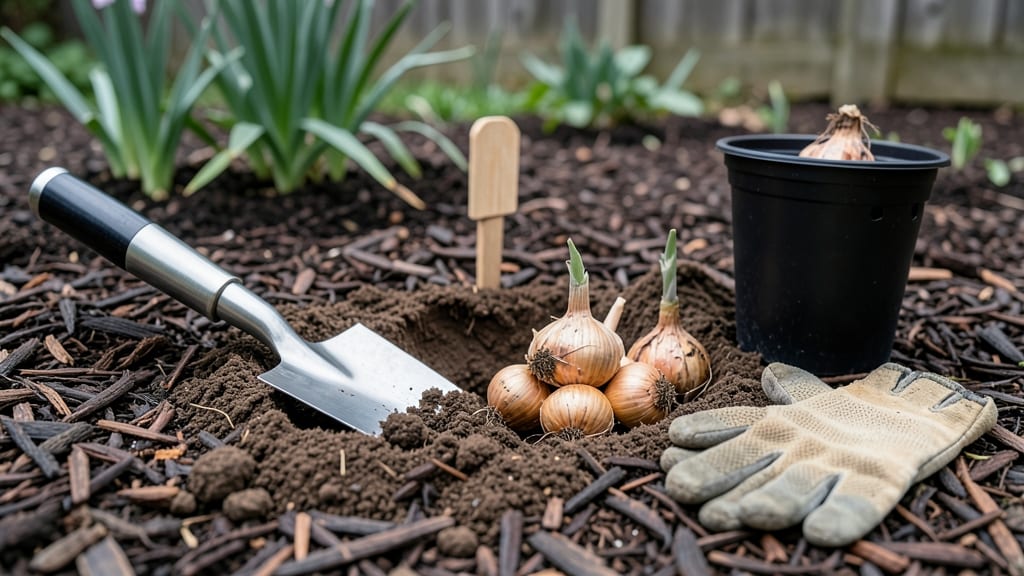
Planting daffodils in Oklahoma at the wrong time means watching them freeze before spring—unless you follow this one simple rule about timing. The key to zero-frost survival lies in getting those 🌼 bulbs into the ground when soil temps hit 50-60°F, typically between mid-October and early November.
Why does this matter? Oklahoma’s 6b-7a climate delivers unpredictable freezes, and daffodils need time to root before winter sets in. Plant too early, and they’ll rot; too late, and they’ll brown. I’ll show you exactly how to nail the window—plus which varieties handle Oklahoma’s wild swings best.
Most gardeners assume spring planting works, but that’s a recipe for disappointment in our region. The real secret? A 4-week pre-planting checklist that includes soil prep and frost timing adjustments. Let’s break it down so your daffodils bloom like clockwork next March.
Ready to skip the guesswork? You’ll walk away knowing the exact months to plant, how deep to bury those bulbs, and which daffodil types thrive here—no frost damage in sight. Let’s get started.
Optimal planting months for daffodils in Oklahoma’s climate zones
Oklahoma’s USDA hardiness zones 6b through 8a create a unique challenge for daffodil growers. Unlike northern states, our winters fluctuate wildly—one year bringing subzero temperatures, the next delivering mild freezes. The key to success?
Planting when soil temps drop to 50-60°F but before ground freezes solid, typically 6-8 weeks before your first frost. This window ensures bulbs establish roots without rotting in cold, wet soil.
Most Oklahoma gardeners plant daffodils in October or early November, but timing varies by county. Northern Oklahoma (zones 6b-7a) often shifts to September planting due to earlier freezes, while southern Oklahoma (zones 7b-8a) can extend planting into mid-November.
Microclimates—like sheltered garden beds—can push your planting window 2-3 weeks later than official frost dates.
Why timing matters: Daffodil bulbs need 4-6 weeks of root growth before winter dormancy. Plant too early (soil temps above 60°F), and they’ll sprout prematurely; too late (soil temps below 40°F), and roots won’t develop before freeze. Oklahoma’s unpredictable frost patterns make this timing critical—last year’s November freeze caught many gardeners off guard.
Spring planting (February-March) is possible in Oklahoma’s warmer zones (7b-8a), but requires immediate watering and shade cloth to prevent heat stress. Bulbs planted in spring need 12-14 weeks of growth before summer dormancy, so aim for late winter when soil temps rise above 50°F.
This method works best for container gardening or high-elevation microclimates like Oklahoma City’s urban areas.
Oklahoma’s clay-heavy soils and drought-prone conditions demand extra attention. Amend planting holes with compost or sand to improve drainage, and plant bulbs 6 inches deep (twice their height) for frost protection.
In zone 6b, add a 3-inch mulch layer of pine straw or leaves after planting to insulate bulbs during subzero nights.
Pro tip: Use Oklahoma Mesonet frost alerts to track real-time soil temps. Their 10-inch soil temperature readings (not air temps) are the gold standard for daffodil planting decisions.
For example, last year’s November 2022 freeze showed 32°F soil temps in zone 7a—perfect for planting hardy varieties like 'Ice Follies' that tolerate -20°F.
Remember, daffodils planted in Oklahoma’s fall window will bloom earlier than spring-planted bulbs. The earliest bloomers (like 'Tête-à-Tête') often emerge in late February, while late varieties (like 'Peach Melba') may wait until April. This staggered bloom time creates a 3-week spring color show—worth the timing precision!
For
How to time daffodil planting for maximum frost resistance
Oklahoma’s unpredictable frost patterns can turn daffodil planting into a guessing game—but with the right timing, your bulbs will root deep and survive even the coldest winters. The key lies in planting when soil temperatures drop to 50-60°F, which triggers bulb dormancy and frost resistance.
This usually falls between mid-October and November, but your exact window depends on your county’s microclimate.
Most Oklahoma gardeners assume "plant in fall" means October, but northern counties (like Woodward or Woodward County) often need to plant by early October, while southern areas (like Lawton or Durant) can wait until late November.
The goal is to give bulbs 6-8 weeks to establish roots before the ground freezes—typically around November 15-30 in most of the state.
- Step 1: Check your USDA Zone (6b-8a in Oklahoma). Northern zones plant earlier (Oct 1-15), southern zones later (Nov 1-15).
- Step 2: Wait for soil temps to hit 50-60°F (use a soil thermometer or local weather alerts).
- Step 3: Choose frost-hardy varieties like 'Ice Follies' or 'Tête-à-Tête' (rated for Zone 3).
- Step 4: Plant bulbs 6-8 inches deep in well-draining soil (Oklahoma’s clay soil needs amendments).
- Step 5: Mulch with 3-4 inches of straw after planting to insulate bulbs.
Oklahoma’s erratic weather means you can’t rely solely on calendar dates. Use the 50°F soil temperature rule as your guide—plant when the ground consistently stays below this threshold.
For example, in Tulsa (Zone 7a), this might be early November, while in Oklahoma City (Zone 7b), it could be mid-November. Check local agricultural extension reports for your county’s frost history.
Once you’ve nailed the timing, focus on soil preparation. Oklahoma’s clay-heavy soil drains poorly, which can rot bulbs. Four weeks before planting, work in 2-3 inches of compost or sand to improve drainage.
Test your soil’s pH—daffodils thrive in neutral to slightly acidic soil (6.5-7.0). If your soil is too alkaline, add sulfur or peat moss to adjust.
After planting, water deeply once to settle the soil, then let nature take over. Avoid overwatering in winter, as soggy soil encourages rot. In spring, you’ll see green shoots as early as February, signaling your bulbs have survived the freeze.
For best results, plant in full sun (6+ hours daily) and avoid fertilizing until after blooming.
Pro tip: Mark your daffodil beds with stakes or flags so you don’t accidentally disturb them in spring. Oklahoma’s late frosts (sometimes as late as April) can damage tender new growth, so wait until mid-April to cut back foliage after blooms fade.
This ensures the plant stores enough energy for next year’s flowers.