
Flowers
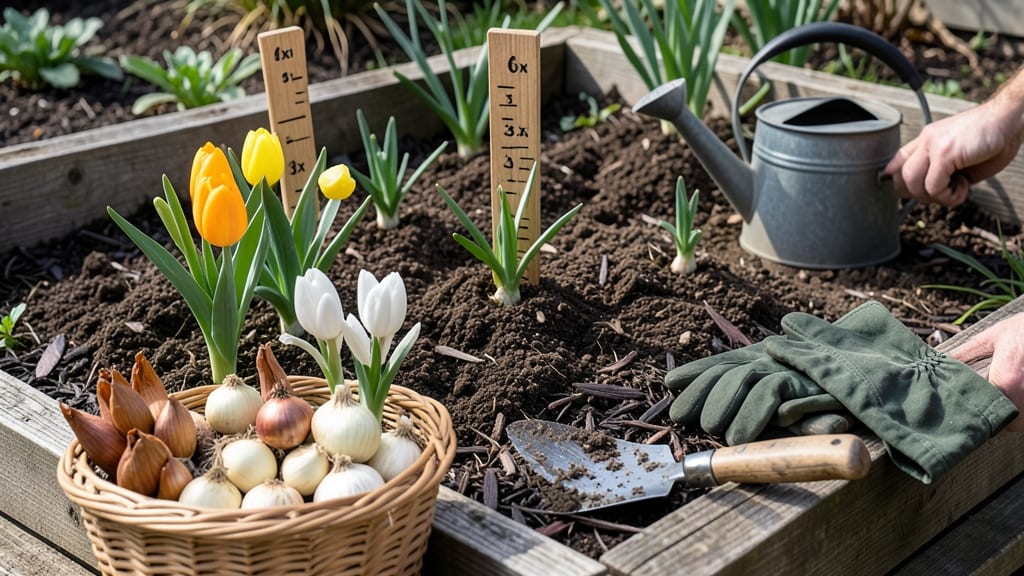
Planting flower bulbs 🌷 in spring might seem simple, but getting the timing right can mean the difference between a stunning garden and a missed opportunity. The wrong moment could leave your bulbs vulnerable to frost or struggling to establish roots before summer heat arrives.
Most gardeners in USDA Zone 6a (like me!) know the frustration of waiting too long—only to watch shoots emerge just before a late frost. The secret?
Planting 6 weeks before your last frost date (around early March for many regions) gives bulbs enough time to root while avoiding early warmth that could wake them too soon.
But here’s the thing: not all bulbs play by the same rules. Tulips and daffodils are eager spring bloomers, while lilies and alliums prefer a slightly later start. I’ll break down the exact window for your zone and share soil prep tips to ensure your bulbs thrive.
Ready to transform your garden? Let’s dive into the perfect planting schedule—and avoid those common mistakes that even experienced gardeners make.
Spring flower bulb planting schedule by USDA Zone (exact months)
Planting flower bulbs in spring is all about reading your climate and knowing your zone. Unlike fall planting, spring bulbs need to avoid late frosts that can damage emerging shoots. The general rule?
Plant 6 weeks before your last expected frost date, but adjust for bulb type—tulips and daffodils thrive in cooler early spring, while lilies and gladiolus prefer warmer late spring soil.
Your USDA zone dictates exact timing. For example, gardeners in Zone 3 (like Minnesota) plant in late April to early May, while those in Zone 10 (like Southern California) can start as early as January. Always check your local last frost date—this is your anchor for scheduling.
Early spring bulbs (tulips, crocus, hyacinths) need cooler soil—ideal when temps hover around 50-60°F. Late spring bulbs (lilies, gladiolus, dahlias) prefer warmer soil (60-70°F) and can wait until after the last frost. Misjudging soil temp is a common mistake—cold soil slows root growth, while overheated soil can scorch bulbs.
⚠️ PRO TIP: Use a soil thermometer to confirm readiness. Most bulbs need soil temps between 40-60°F to root successfully.
| USDA Zone | Early Spring Bulbs (Tulips, Daffodils) | Late Spring Bulbs (Lilies, Gladiolus) | Soil Temp Requirement | Frost Risk |
|---|---|---|---|---|
| Zone 3 | Late April - Early May | Early to Mid-May | 50-60°F | High (plant after last frost) |
| Zone 4 | Mid-April - Late April | Late April - Early May | 45-55°F | Moderate (check frost dates) |
| Zone 5 | Early April - Mid-April | Mid-April - Late April | 40-50°F | Low (plant 4-6 weeks before last frost) |
| Zone 6 | Late March - Early April | Early to Mid-April | 45-55°F | Very Low (plant early) |
| Zone 7 | February - Early March | March - Early April | 50-60°F | Minimal (plant 6-8 weeks before last frost) |
| Zone 8 | January - February | February - March | 55-65°F | None (plant anytime after holidays) |
| Zone 9 | December - January | January - February | 60-70°F | None (plant early for summer blooms) |
| Zone 10 | November - December | December - January | 65-75°F | None (plant year-round in mild climates) |
In Zones 3-5, where frosts linger into May, prioritize hardy bulbs like tulips and daffodils. These can handle cooler soil temps and often bloom before late frosts arrive. For Zones 6-10, you have more flexibility—plant early spring bulbs in February-March and late spring bulbs in March-April.
For Zone 10 gardeners, timing is less critical due to mild winters. You can plant anytime after holidays, but aim for December-January to ensure blooms by late spring. In Zone 3, however, rushing can backfire—wait until soil warms to 50°F to avoid rot.
Don’t forget to amend your soil before planting. Bulbs need well-draining, fertile soil
How to tell when your local soil is ready for spring bulbs
Spring bulb planting success starts with soil readiness, not just the calendar. Cold, wet ground can stunt growth, while premature planting risks rot. The key is testing for soil temperature, moisture balance, and biological activity—signs your garden is truly ready for bulbs like tulips or daffodils.
Most spring bulbs thrive when soil temperatures consistently reach 40–50°F at a depth of 4 inches. This ensures roots establish before summer heat arrives. In cooler USDA Zones 3–5, aim for early April, while Zones 6–10 can plant as early as February or March, depending on local frost dates.
Don’t rely on calendar dates alone—some years, late frosts delay planting. For example, Zone 7 gardeners might wait until mid-April if March brings unexpected frost. Always plant 6 weeks before your last frost date to ensure blooms appear in spring, not next year.
If your soil feels too cold or wet, amend it with compost or sand to improve drainage. Mulch after planting to retain warmth. For clay-heavy soils, mix in perlite or coconut coir to prevent waterlogging—critical for bulbs like hyacinths, which rot easily in soggy conditions.
Pro tip: Plant crocus or snowdrops first—they tolerate cooler soil (35°F+) and signal when it’s safe for other bulbs. Their early blooms also attract pollinators, jumpstarting your garden’s ecosystem.