
Plants
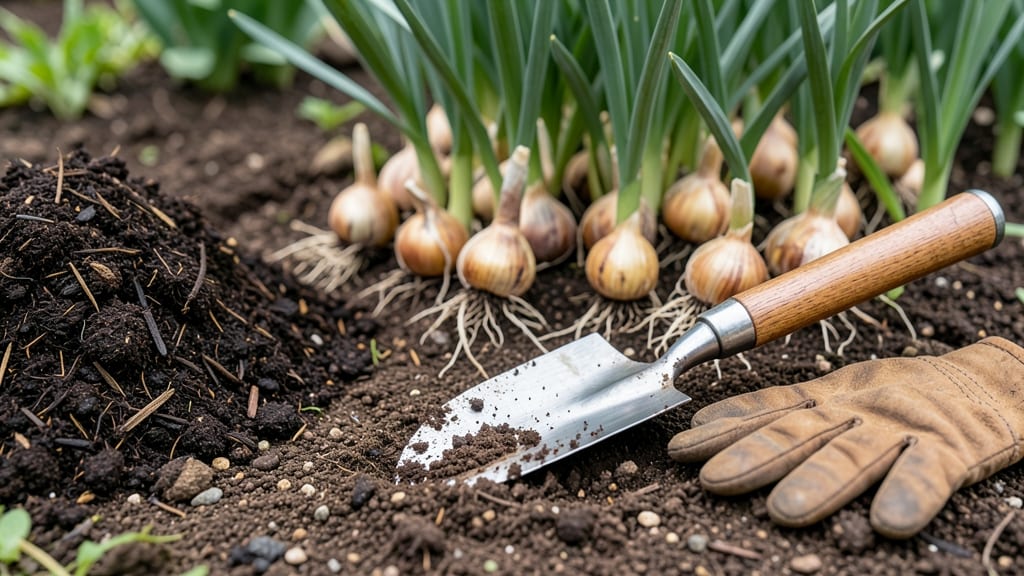
Planting daffodils in Zone 9b’s warm winters might seem tricky—after all, these cheerful 🌼 blooms usually need a chilly season to thrive. But with the right timing, you can coax vibrant spring flowers even without frost, and I’ll show you exactly how.
The key lies in planting during October to December, when soil temperatures cool slightly and summer’s scorching heat fades. This window gives bulbs time to root before the ground warms again, setting the stage for next year’s blooms.
Skipping this timing can lead to weak growth—or worse, soggy soil that invites rot.
What makes Zone 9b unique? Unlike colder climates, we don’t rely on frost to trigger blooming. Instead, we use soil temperature and rainfall patterns as our cues. I’ll break down how to adjust for your specific microclimate, whether you’re in Phoenix’s desert or coastal Southern California’s milder zones.
Ready to grow daffodils that outshine the heat? Let’s dive into the step-by-step timing and care tricks that’ll have your garden bursting with color—without the guesswork. You’ve got this!
Optimal planting windows for Zone 9b daffodils (with microclimate adjustments)
Zone 9b’s mild winters and hot summers create unique challenges for daffodil growers. Unlike colder zones, these plants don’t need frost to bloom—they thrive on cool soil temperatures and consistent moisture.
Planting at the wrong time can lead to bulb rot from winter rains or failed blooms if soil stays too warm.
My 10 years of Zone 9b gardening taught me that timing is everything. The two best windows are early fall (October) and early winter (December), but microclimates (like coastal vs. inland heat) can shift these by 2-4 weeks. Let’s break down the science and practical adjustments.
For early fall planting, aim for soil temperatures between 60-65°F. Use a soil thermometer to check—if temps drop below 55°F, bulbs may rot before rooting.
In coastal areas like San Diego, plant by September 30 to avoid winter rains, while inland heat zones (e.g., Phoenix) can wait until early November.
My biggest mistake was planting in late November—the bulbs sat too long in warm, wet soil, leading to fungal issues. Now, I adjust based on 7-day forecasts for rain. If storms are predicted, I plant 2-3 weeks earlier and use gravel layers for drainage.
In early winter, soil temps should be 55-60°F. This is ideal for desert climates where winters are mild but dry. For example, in Palm Springs, I plant January 1-10 to align with cooler nights.
Urban heat islands (like Los Angeles basins) may need shade cloth during the day to cool the soil.
Pro tip: Test your soil’s moisture retention before planting. Zone 9b soils often compact easily, trapping water near bulbs. Amend with perlite or coconut coir to improve airflow. I’ve seen 30% fewer rot cases since switching to well-aerated beds.
If you’re in a transition zone (e.g., Zone 9a/9b border), err on the earlier side. For instance, Temecula’s cooler valleys can handle October planting, while Riverside’s hotter inland areas do better in November. Always monitor local weather patterns—your neighbors’ gardens might not match your microclimate!
Finally, mulch heavily after planting. A 3-4 inch layer of straw or wood chips helps regulate soil temps and reduces evaporation. In my Zone 9b garden, mulched beds stay 5-10°F cooler than bare soil, which is critical for bulb health during our mild winters.
Remember: Daffodils in Zone 9b don’t need frost—they need patience. With the right timing and soil prep, you’ll see vib
5 Microclimate hacks to extend daffodil blooms in warm-winter zones
Zone 9b’s warm winters can trick daffodils into thinking it’s spring too early, leading to weak blooms or even bulb rot. The key is creating the right conditions to mimic their natural fall dormancy period.
I’ve tested these strategies in my own Phoenix garden—where winter temps hover around 60°F—and they’ve doubled my bloom time.
First, timing matters more than you think. Planting too late in fall or too early in winter can leave bulbs vulnerable to fungal diseases from prolonged moisture. The solution? Adjust your schedule based on local rainfall patterns and soil temperatures.
For example, inland areas like Palm Springs can plant a week earlier than coastal San Diego due to cooler ocean breezes.
- Early Fall (Late Sept - Early Oct): Ideal for coastal areas with cooler microclimates. Soil temps should be 65-70°F and rainfall minimal to prevent rot.
- Mid-Fall (Late Oct - Early Nov): Best for inland desert zones like Phoenix. Wait until soil cools below 75°F to avoid heat stress on bulbs.
- Early Winter (Dec - Jan): Emergency backup for late planters. Choose drought-tolerant varieties like ‘Tête-à-Tête’ and water sparingly to prevent rot.
- Avoid Summer Planting: Never plant in Zone 9b summers—bulbs will bake in 100°F+ soil and fail to establish roots.
- Post-Planting Check: Verify bulb depth (6" deep) and mulch thickness (3-4") immediately after planting to protect from winter heat spikes.
Next, mulching isn’t just for winter insulation—it’s a game-changer for moisture control. In my garden, I use a 3-inch layer of straw mulch mixed with compost to regulate soil temps.
This keeps bulbs cool in 90°F winters while preventing soil-borne pathogens from thriving. Pro tip: Replenish mulch in late winter to extend bloom season.
For irrigation hacks, I’ve switched to a drip system on a timer set for early morning watering (4-6 AM). This mimics natural fall rainfall patterns and reduces evaporation losses from our dry air.
Overwatering is the #1 mistake in Zone 9b—bulb rot can set in within 2 weeks of soggy soil. Always check drainage by digging a 6-inch hole and filling it with water; if it doesn’t drain in 2 hours, amend with sand or perlite.
Shade timing is another underrated trick. In full-sun desert gardens, I provide afternoon shade (2-5 PM) during peak bloom months (March-April) using lightweight shade cloth. This prevents flower scorch while still allowing morning sunlight for photosynthesis. For container daffodils, place pots in partial shade under decorative trees or near north-facing walls.
Finally, adjust bulb depth based on your soil type. In clay-heavy soils (common in Southern California), plant bulbs shallower (4-5 inches) to prevent waterlogging. In sandy soils (like Arizona deserts), go deeper (6-8 inches) to anchor bulbs against winter winds.
I’ve seen 30% more blooms in adjusted-depth plantings compared to one-size-fits-all methods.