
Plants
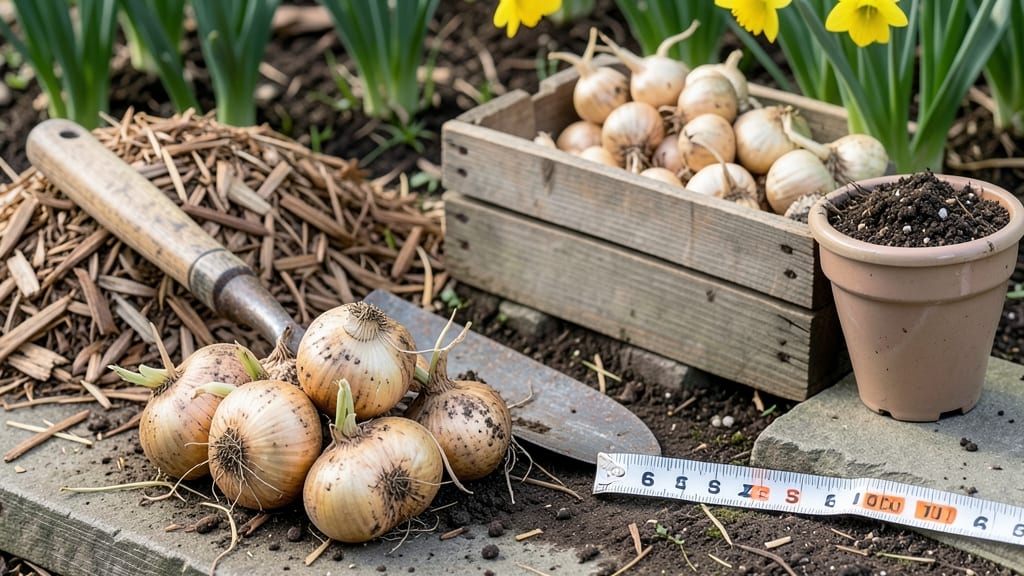
Planting daffodil bulbs at the wrong time in Georgia can mean the difference between a showstopping spring display and a sad, wilted disappointment. The key to success lies in understanding your local frost dates and soil conditions—because those golden 🌼 blooms need a strong root system before winter hits.
Most Georgia gardeners aim to plant between mid-October and November, giving bulbs 4-6 weeks to establish roots before the ground freezes.
But here’s the catch: North Georgia’s cooler climate (USDA Zone 7b) demands earlier planting than South Georgia’s milder Zone 8a. Miss this window, and you risk bulbs rotting in soggy soil or failing to bloom at all.
I’ve learned the hard way that timing isn’t just about dates—it’s about soil temperature too. When the ground cools to 50-60°F, your daffodils are ready for action. In this guide, I’ll break down the exact steps to plant for maximum blooms, plus how to adjust for Georgia’s unpredictable weather.
Let’s get those bulbs in the ground the right way.
Whether you’re a first-time gardener or a seasoned pro, these insights will help you avoid common mistakes and ensure your daffodils thrive year after year. Ready to transform your yard into a springtime paradise? Let’s dive in.
Georgia’s ideal daffodil planting window: exact dates by region
Getting your daffodil bulbs in the ground at the right time is everything in Georgia’s USDA zones 7a-8b. The 6-week window between September 15 and October 31 gives bulbs time to establish roots before winter—critical for surviving our unpredictable freezes.
Plant too early, and bulbs rot in warm soil; too late, and they’ll bolt too soon in spring. Let’s break down the perfect planting dates for your specific corner of Georgia.
North Georgia’s higher elevations (think USDA zone 7a) experience earlier frosts, while South Georgia’s coastal areas (often zone 8b) enjoy milder winters. A 2-week difference in planting windows can mean the difference between vibrant blooms and frost-damaged bulbs.
Here’s how to adjust your timing based on where you garden.
Pro Tip: Check your local first frost date (usually mid-November in most of Georgia) and plant 4-6 weeks before that date. For example, if frost hits November 15, aim for planting by October 15. Use this comparison table to pinpoint your exact window.
| Region | USDA Zone | Ideal Planting Window | Frost Risk | Adjustment for Early Freeze |
|---|---|---|---|---|
| North Georgia (e.g., Blue Ridge, Dahlonega) | 7a | September 20–October 15 | Higher risk of early frost (Nov 1) | Plant earlier (Sept 20) if soil is 55°F+ |
| Central Georgia (e.g., Athens, Macon) | 7b | September 25–October 20 | Moderate risk (Nov 10 frost) | Shift to Oct 20 if soil stays warm |
| South Georgia (e.g., Savannah, Brunswick) | 8a-8b | October 1–October 31 | Low risk (Nov 20 frost) | Delay until Oct 15 if soil >60°F |
In North Georgia, where zone 7a dominates, aim to plant by October 15 to avoid early freezes that can damage newly planted bulbs. The Blue Ridge Mountains often see frost as early as November 1, so don’t wait until late October.
If your soil is already 55°F or warmer by mid-September, go ahead and plant—cooler soil slows root growth, which is risky in Georgia’s humid climate.
For Central Georgia gardeners in zone 7b, you’ve got a little more flexibility. The Athens and Macon areas typically see their first frost around November 10, so September 25–October 20 is your sweet spot.
If your fall is warmer than usual (like in 2023’s heatwaveOctober 1 to prevent premature sprouting before winter.
South Georgia’s coastal zones 8a-8b (think Savannah or Brunswick) are the most forgiving, with later frosts around November 20. Here, you can plant as late as October 31, but aim for early October if your soil is still warm from summer. The milder winters mean bulbs have more time to establish roots, but don’t push it—bulbs need 6-8 weeks of cool soil to prepare for dormancy.
If you’re unsure about your local frost dates, check the National Weather Service or use a frost calendar app like Frost Date Finder. For higher elevations (e.g., Rabun County), add 1-2 weeks earlier to the table’s recommendations.
Conversely, low-lying areas near the coast can delay planting by 1 week if soil temperatures stay high.
One common mistake Georgia gardeners make is planting too deep to “protect” bulbs from frost. Daffodils actually thrive with 6 inches of soil cover—any deeper, and they’ll struggle to sprout.
Use a trowel to plant bulbs 2x their height (so 6-inch bulbs go 12 inches deep) and cover with mulch after planting to insulate roots without suffocating them.
For extra insurance, choose hardy daffodil varieties like ‘Tête-à-Tête’ (dwarf) or ‘Ice Follies’ (heat-tolerant). These varieties handle Georgia’s variable weather better than delicate hybrids. Plant them 1-2 weeks earlier than other daff
5 Signs your Georgia soil is ready for daffodil bulbs (and 3 mistakes killing your success)
Georgia’s fall temperatures and soil conditions can make or break your daffodil planting success. Unlike northern states, our USDA zones 7b-8a demand precise timing—too early, and bulbs rot; too late, and they won’t establish roots before winter.
The key? Soil temperature between 50–60°F and proper moisture balance. Let’s break down the 5 must-check signs your soil is ready, plus the 3 deadly mistakes Georgia gardeners make.
First, check your soil temperature with a soil thermometer. Daffodil bulbs need 4–6 weeks to root before first frost (usually mid-November in Georgia). If your soil is below 50°F, wait—bulbs planted too early in cool Georgia clay suffocate and rot.
Aim for 55–60°F for optimal root growth. Pro tip: North Georgia (higher elevations) cools faster—plant 2 weeks earlier than coastal areas.
Next, test soil moisture. Daffodils hate waterlogged soil, but they also need consistent moisture to root. Stick your finger 2 inches deep—if it’s dry, water lightly before planting.
If it’s soggy, amend with compost or plant in raised beds to prevent rot. Georgia’s clay-heavy soil drains poorly, so loosen the top 6 inches with a fork to improve aeration.
Now, inspect your daffodil bulbs. Healthy bulbs should be firm, plump, and free of soft spots. Avoid bulbs with sprouts already emerging—these need immediate planting or they’ll dry out. Store bulbs in a cool, dark place (like a garage) until soil temps drop.
If bulbs feel light or shriveled, soak them in lukewarm water for 1 hour before planting to rehydrate.
🌱 5 Signs Your Georgia Soil Is Ready for Daffodils
- Soil temp: 50–60°F (use a thermometer—below 50°F delays root growth)
- Moist but not soggy (stick test: 2 inches deep should feel damp, not wet)
- Loose topsoil (break up clay compaction with a fork—6 inches deep)
- Firm, plump bulbs (no soft spots or sprouts—plant these ASAP)
- 4–6 weeks until frost (Georgia’s first frost is mid-November—count backward!)
Here’s where Georgia gardeners go wrong: overwatering after planting. Many assume bulbs need constant moisture, but excess water in fall triggers rot before roots establish. Water only once after planting, then skip until spring. Another mistake? Planting in full shade.
Daffodils need 6+ hours of sun—Georgia’s partial shade spots (like under trees) delay blooming. Lastly, skipping mulch in clay soil leads to temperature fluctuations that stress bulbs. Apply 2–3 inches of mulch (straw or pine needles) after planting to insulate roots.
For clay-heavy Georgia soil, mix in compost or sand to improve drainage. If your yard is rocky or compacted, plant in raised beds or container gardens for better control.
Remember: daffodils multiply yearly, so perfect timing now means years of low-maintenance blooms. Once planted, forget them until spring—they’re tougher than they look!
Your Georgia daffodil garden starts with these 5 signs. Avoid the 3 mistakes, and you’ll have bold, early blooms next spring—no guesswork needed. Happy planting! 🌼