
Plants
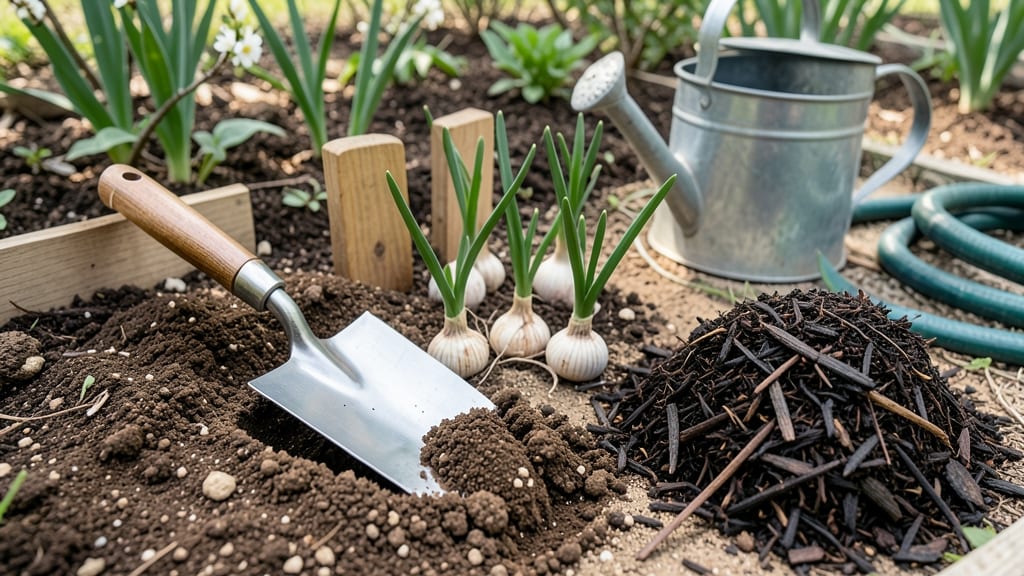
Planting daffodil bulbs in Zone 9’s mild winters might seem tricky—after all, these 🌼 beauties are famous for their frost tolerance. But with the right timing, you can still grow vibrant spring blooms without worrying about cold damage.
The key is understanding how to work with your warm climate’s unique conditions.
Most gardeners in Zone 9 (like Phoenix or Southern California) think they’ve missed the boat if they don’t plant in early fall. But the truth is, daffodils thrive when planted 4-6 weeks before winter rains—typically between October and December.
This gives their roots time to establish before the dry heat returns, setting the stage for stunning spring flowers.
What sets Zone 9 apart is the lack of frost, which means traditional chilling methods don’t apply. Instead, we focus on soil prep, bulb selection, and planting depth to ensure your daffodils survive the mild winter and burst into color come March.
Let’s break down exactly how to make this work for your garden.
Whether you’re a first-time planter or a seasoned gardener, these insights will help you avoid common pitfalls like bulb rot or premature sprouting. By the end, you’ll know exactly when to plant—and how to give your daffodils the best shot at thriving in your warm-weather climate.
Ideal fall planting window for Zone 9 daffodils (with exact dates)
In Zone 9, where winters stay mild and summers scorch, timing your daffodil bulb planting is everything. Unlike colder zones, Zone 9’s warm soil and minimal frost create a narrow 6-week window to plant.
Miss it, and your bulbs may sprout too early or rot before establishing roots. The key? Plant when soil temps drop to 60°F (15°C) but before winter rains arrive.
For most of Zone 9 (e.g., Phoenix, Southern California), the ideal planting window spans from mid-October to mid-November. This aligns with the first cool-snap weather and ensures bulbs root before dry heat returns in late winter.
Coastal areas like San Diego can plant slightly later (late November), while inland deserts (Palm Springs) should aim for early October.
Here’s what happens if you plant too early or late:
- Too early (September): Bulbs may sprout prematurely, only to be scorched by summer heat.
- Too late (December): Roots struggle to establish before winter rains, increasing rot risk.
- Perfect timing: Bulbs get 4–6 weeks to root before dry heat or extreme temps arrive.
| Region | Best Planting Window | Soil Temp Goal | Key Trigger |
|---|---|---|---|
| Inland Desert (e.g., Phoenix, Palm Springs) | Early October – Mid-November | 60–65°F (15–18°C) | First 50°F (10°C) night |
| Coastal (e.g., San Diego, Los Angeles) | Mid-October – Late November | 58–62°F (14–17°C) | Winter rain forecast |
| Valleys (e.g., Central Valley CA) | Late September – Early November | 62–68°F (17–20°C) | Nighttime temps below 70°F (21°C) |
Use a soil thermometer to confirm temps—Zone 9 bulbs need cooler soil to trigger root growth. If your soil stays above 70°F (21°C) in October, wait until nighttime temps drop consistently. Pro tip: Plant in well-draining soil with added compost to prevent rot in the warm climate.
What if you miss the window? Don’t panic! You can still plant in January (just 6 weeks before spring rains), but expect smaller blooms. For a second chance, choose dwarf varieties like ‘Tête-à-Tête’—they adapt better to late planting. Just mulch heavily to protect bulbs from late-winter heat spikes.
Adjust for unpredictable weather: If your area gets early rains in September, plant 2–3 weeks early to avoid soggy soil. Conversely, if drought persists into December, delay planting until January and water deeply after planting.
The goal is root establishment before dry heat, not a calendar date.
For container gardening in Zone 9, plant bulbs in October–November too, but use pots with drainage holes. Place containers in partial shade during summer to prevent overheating. Remember: daffodils hate soggy feet, so avoid overwatering—especially in clay-heavy soils common to Zone 9.
Track your local first frost date (even if rare in Zone 9) using the USDA Plant Hardiness Zone Map. While frost is unlikely, a light freeze (28°F/-2°C) can damage new shoots.
If your area gets occasional frost, plant bulbs 6 weeks before the average date to ensure roots are established.
Once planted, mulch with 2–3 inches of organic matter (straw or shredded leaves) to insulate bulbs from temperature swings. In Zone 9’s dry winters, this also helps retain moisture. Remove mulch in early spring to prevent rot as temps rise.
Your Zone 9 daffodils will reward precise timing with bold spring blooms—often March–April—that defy the region’s usual heat. With this 6-week window mastered, you’ll enjoy low-maintenance, drought-tolerant flowers year after year, even in the desert.
How to prepare daffodil bulbs for Zone 9’s warm soil (critical pre-planting steps)
Zone 9’s warm soil can trick daffodil bulbs into sprouting too early, leading to premature growth or even bulb rot. The key is mimicking their natural winter chill while preparing the soil for their arrival.
Start by selecting healthy, firm bulbs with no soft spots—this prevents disease from the moment you plant.
Before planting, store your bulbs in a cool, dark place (like a refrigerator crisper) for 4-6 weeks at 40-50°F. This mimics winter conditions and prevents premature sprouting in your warm Zone 9 soil. Skip this step, and you risk weak, leggy stems or bulbs that refuse to bloom.
⚠️ callout warning
Soil temps above 65°F can trigger premature sprouting, weakening bulbs. Wait until October-November when soil cools to 60-65°F—use a soil thermometer to check! Planting in September risks rot, while waiting until December may delay blooming.
Your soil mix is just as critical as chilling the bulbs. Daffodils thrive in well-draining soil with a slightly acidic pH (6.0-7.0). Amend heavy clay with organic matter like compost or coconut coir—this improves drainage while retaining moisture.
For sandy soils, mix in peat moss or compost to boost nutrient retention.
When planting, bury bulbs 6-8 inches deep, with the pointy end up. Space them 4-6 inches apart to allow airflow and reduce fungal risks. If your soil is poorly draining, consider planting in raised beds or containers with perforated drainage holes to prevent waterlogged roots.
After planting, apply a 2-inch layer of mulch (straw or shredded bark) to insulate bulbs and retain moisture. Avoid synthetic mulches like black plastic—they trap heat and can overheat bulbs.
Water lightly after planting, then reduce irrigation until winter rains begin. Overwatering now can cause bulb rot before roots establish.
Finally, fertilize lightly in early spring with a balanced 10-10-10 formula to encourage blooming. Avoid high-nitrogen fertilizers—they promote foliage over flowers. With these steps, your daffodils will survive Zone 9’s warmth and reward you with bold spring blooms year after year.