
Plants
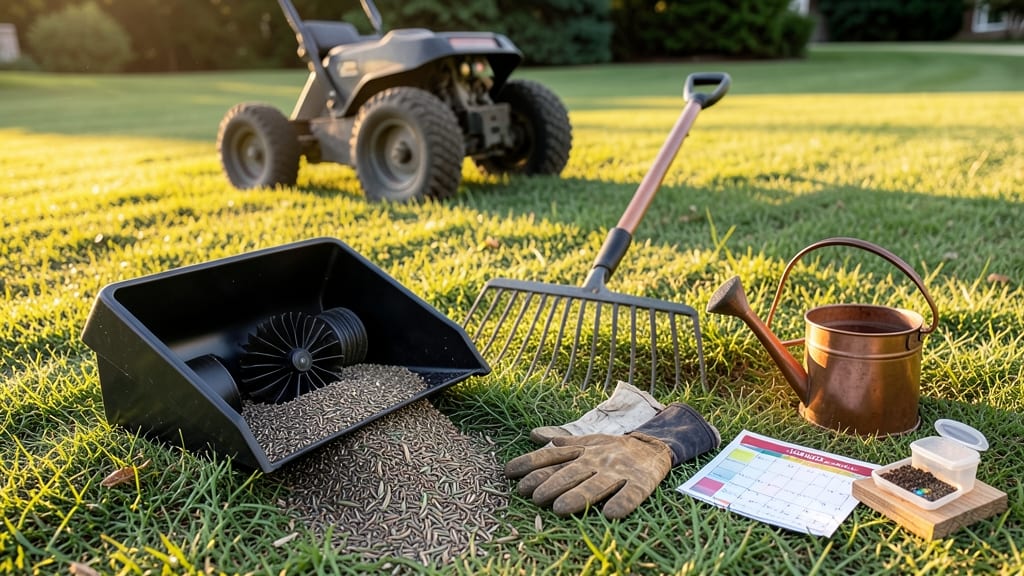
Planting grass seed in Virginia at the wrong time can mean watching your hard work wither under summer’s scorching sun or freeze before roots take hold.
The best time to plant isn’t just about avoiding frost—it’s about giving your 🌱 grass seed the perfect 6-week window to establish deep roots before winter arrives.
Most gardeners in Virginia’s 6a-8a zones swear by late summer or early fall, when temperatures cool and rain becomes more reliable. This isn’t just luck—it’s science.
The key is planting between August and early October, when soil stays warm enough for germination but nights grow cooler, reducing stress on young shoots.
If you’re overseeding an existing lawn or starting fresh, timing matters even more. Skipping this window often leads to patchy growth or seed that simply doesn’t survive.
I’ll show you exactly how to align your planting with Virginia’s climate—so you can skip the guesswork and get a lush lawn every time.
Ready to transform your yard? Let’s dive into the step-by-step secrets that make all the difference in Virginia’s unpredictable growing season.
Virginia’s ideal grass-seeding windows: late summer vs. early fall timing explained
Virginia’s climate creates a 6-week golden window for grass seeding—mid-August through early October—where soil stays warm enough for germination but nights cool enough to prevent drought stress. This period lets seeds establish deep roots before winter, avoiding the pitfalls of summer’s scorching heat or early frost.
The key? Understanding your USDA zone (6a–8a) and regional microclimates.
In Virginia’s Coastal Plain, where humidity lingers, aim for late August to mid-September to avoid fungal risks. The Piedmont region benefits from early September planting, balancing warmth and moisture. Meanwhile, mountain zones (USDA 6a) should seed by early September to outpace frost’s arrival.
Soil temperature is your #1 guide. Grass seeds need soil at 60–70°F to germinate—mid-August readings often hit this mark, but late September drops can stall growth. Use a soil thermometer to confirm before planting.
Heat tolerance varies by grass type. Tall fescue thrives in 85°F+ but struggles with 90°F+ drought. Bermuda grass handles heat better but needs consistent moisture to avoid browning. Zoysia is drought-resistant but germinates slower in cooler soil.
First frost dates dictate your deadline:
- Zone 6a (Mountains): November 15 (plant by October 1)
- Zone 7a (Piedmont): November 1 (plant by September 15)
- Zone 8a (Coastal Plain): October 15 (plant by September 1)
Late summer planting (mid-August) offers warmer soil but risks drought stress if rains fade. Early fall (September) provides cooler temps and steady moisture, ideal for root growth. My personal trick: Check the 7-day forecast for consistent rain or 0.5" irrigation capacity before seeding.
For new lawns, prioritize late August in Zone 8a or early September in Zones 6a–7a. Overseeding can stretch to mid-October if your grass is cool-season type (tall fescue, ryegrass). Warm-season grasses (Bermuda, zoysia) should be seeded by mid-September to avoid winter kill.
Watch for heatwaves after planting. If temps hit 90°F+ for 3+ days, cover seeds with shade cloth (30–50%) to retain moisture. Morning watering (6–9 AM) prevents evaporation and fungal diseases like brown patch.
Pro tip: Test soil moisture by grabbing a handful—it should hold shape but not be soggy. If it crumbles, water 1–1.5 inches deep daily until germination (7–21 days). Deep roots = drought-proof grass by winter.
Timing grass seed right in Virginia isn’t rocket science—it’s about reading your microclimate and adapting to regional quirks. Whether you’re in humid Norfolk or cool Roanoke, this 6-week window is your ticket to lush, low-maintenance lawns that outlast Virginia’s wild weather. 🌱
Step-by-step late summer prep: soil, seed, and weather checklist for Virginia gardens
Late summer is your second-best window for planting grass seed in Virginia—right after spring. By mid-August, the scorching heat starts to ease, and soil temperatures drop just enough for seeds to germinate without wilting.
But timing is everything: plant too early, and you’ll battle drought; too late, and frost will nip your progress. Let’s break down the critical steps to prep your soil, select the right seed, and check the weather like a pro.
First, grab your soil pH tester—Virginia’s native soil is often too acidic (below 6.0), which stunts grass growth. Aim for a 6.0–7.0 pH range. If your soil tests lower, mix in pelletized lime (apply 2–3 weeks before planting).
For compacted clay soil (common in Piedmont), rent a core aerator to create 1/2-inch holes every 2–3 inches. This lets roots breathe and water penetrate deeply.
-
Step 1: Test Soil pH
Use a digital pH meter or send a sample to Virginia Cooperative Extension. Adjust with lime (low pH) or sulfur (high pH) 2–3 weeks before planting. -
Step 2: Choose Your Grass Seed
Tall fescue (drought-tolerant, deep roots) for Piedmont; Bermuda (heat-loving, low-maintenance) for Coastal Plain; Zoysia (shade-tolerant) for Mountain regions. -
Step 3: Schedule Deep Watering
Water twice daily (morning + evening) for 15–20 minutes each session. Use a rain gauge to track 1–1.5 inches per week. Avoid overhead sprinklers to prevent fungal diseases. -
Step 4: Shield from Heatwaves
If a 90°F+ forecast hits, drape 30–50% shade cloth over freshly seeded areas. Remove by 4 PM to allow sunlight for photosynthesis. -
Step 5: Verify 7-Day Forecast
Check the NOAA Climate Prediction Center for no frost warnings and rainfall predictions. Avoid planting if heavy rain (>1 inch) is forecasted within 48 hours.
Next, pick your grass seed variety based on your Virginia region. Tall fescue thrives in Piedmont’s well-drained soil and stays green through mild winters. Bermuda grass, a top pick for Coastal Plain, goes dormant in winter but bounces back fast in spring.
For Mountain zones, Zoysia handles partial shade and cooler temps better than other types. Pro tip: Mix 2–3 seed varieties for a denser, pest-resistant lawn.
Don’t skip the 7-day weather check—this is non-negotiable. Use the NOAA’s Climate Prediction Center or your local National Weather Service app to spot heatwaves or frost risks. If your area is forecasted to dip below 50°F within 10 days, delay planting until temperatures stabilize.
Heatwaves above 95°F can bake seeds before they sprout, while sudden cold snaps will shock tender seedlings.
Once you’ve prepped the soil and picked your seed, lock in your watering schedule. For the first 2 weeks, water twice daily: once at 6–8 AM and again at 5–6 PM.
Use a soaker hose or drip irrigation to deliver water slowly and deeply, encouraging roots to grow downward. After germination, taper to deep watering 2–3x weekly. Mulch with straw (not wood chips) to retain moisture and protect seeds from bird pecking.
With these steps, your Virginia lawn will establish strong roots before winter—giving you a lush, green carpet by spring. And remember: the key to success is patience. Avoid walking on new seed until it’s 3–4 inches tall, and resist the urge to fertilize until after germination.
Your grass will thank you with vibrant growth and disease resistance all season long. 🌱