
Plants
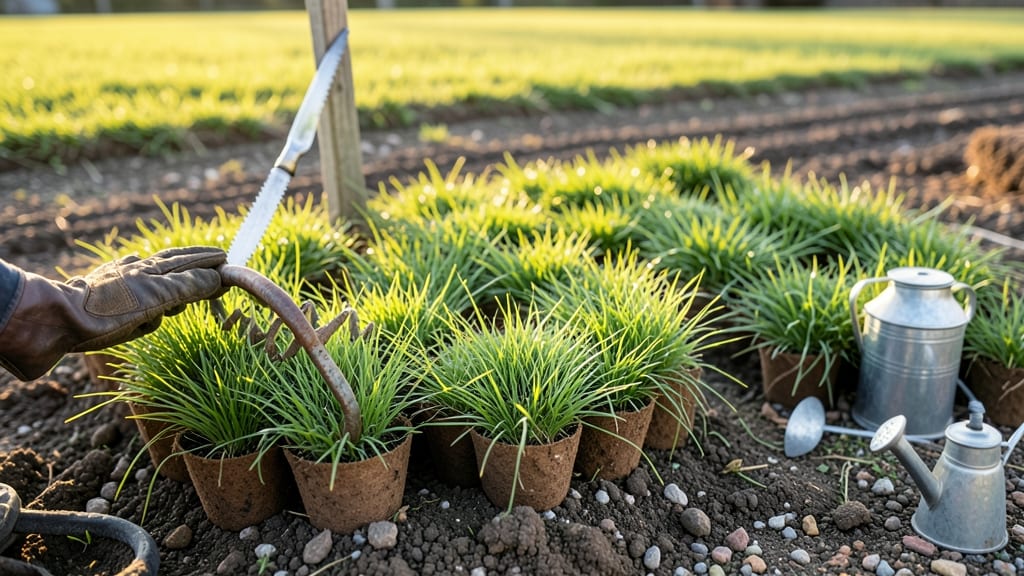
Planting Bermuda Grass 🌱 in Phoenix isn’t just about timing—it’s about outsmarting the heat and leveraging the monsoon season for a thick, drought-resistant lawn. The wrong time means struggling with slow growth or even losing your investment to extreme summer temperatures.
I’ve seen firsthand how a few weeks can make the difference between a lush lawn and a patchy disappointment. The key is planting when soil temperatures hit 65°F and before the monsoons arrive, giving your grass the best shot at deep root establishment.
In this guide, I’ll break down the exact windows that work best for Phoenix’s climate—no guesswork, just proven strategies. Whether you’re starting from scratch or renovating an existing lawn, these tips will help you avoid common pitfalls and get that fast, healthy growth you’re after.
Ready to transform your yard? Let’s dive into the heat-zone rules that’ll have your Bermuda Grass thriving in no time.
Optimal planting windows for Phoenix Bermuda grass: heat zone breakdown
Phoenix’s 110°F+ summers make timing everything for Bermuda grass success. Planting too early risks heat shock, while late planting leaves roots vulnerable before winter dormancy. The perfect window balances soil warmth, monsoon moisture, and cooling temperatures—typically late August to early September for Phoenix’s USDA Zone 10a-11b.
Contrary to popular belief, spring planting (March–April) isn’t ideal here. Soil stays too hot (85°F+), causing seed desiccation. Instead, aim for 65–75°F soil temps—the sweet spot for root establishment before winter slows growth.
Monsoon rains in July–September provide natural irrigation, but planting too late risks weak roots before dormancy.
Here’s the critical breakdown of Phoenix’s microclimate zones and their ideal planting windows:
For sod installation, shift your window 2–3 weeks earlier—sod establishes faster than seed. Lay sod in late July to early August to let roots anchor before monsoon downpours. Avoid June planting entirely; soil temps exceed 90°F, and evaporation outpaces root growth.
Phoenix’s alkaline soil (pH 7.5–8.5) further complicates timing. Test soil 4–6 weeks before planting—if pH exceeds 8.0, amend with sulfur or peat moss to create ideal 6.0–7.0 pH conditions. This prep takes time, so don’t wait until September to test!
Pro tip: Use a soil thermometer to confirm 65°F+ soil temps at 4-inch depth. Morning readings are most accurate. If temps dip below 60°F, delay planting until conditions stabilize—cold soil slows germination by 50%.
Post-planting, deep watering (1.5 inches/week) is non-negotiable. Bermuda grass in Phoenix needs consistent moisture to combat drought stress. Use drip irrigation to avoid surface evaporation, especially in low-desert zones where winds exceed 10 mph.
By planting in August–September and leveraging monsoon moisture, your Bermuda grass will establish a deep root system before winter dormancy. Skip the spring rush—your lawn’s long-term health depends on this heat-zone strategy. 🌱
Signs your Phoenix soil is ready for Bermuda grass planting (and what to do if it’s not)
Bermuda grass thrives in Phoenix’s heat, but your soil needs to be just right before planting. Look for warm soil temperatures (at least 65°F) and well-draining conditions—these are your green flags. The grass needs to establish roots quickly, so moisture levels should be consistently damp but not soggy.
Test your soil pH too—Bermuda grass prefers a slightly acidic to neutral range (6.0-7.0). Phoenix’s native clay soil often skews alkaline, which can stunt growth. If your soil is too alkaline, don’t panic—there are simple fixes to adjust it before planting.
⚠️ callout-warning ⚠️
Planting Bermuda grass in Phoenix’s peak summer heat (June–August) can fry your seeds before they sprout. Conversely, planting in late fall or winter risks slow growth due to cooler temps. Aim for late August to early September—just before monsoon season—to balance warmth and moisture for ideal root development.
🌡️ Pro Tip: Use a soil thermometer to confirm temps are 65°F+ at a 4-inch depth.
Compacted soil is another Phoenix-specific challenge. If your yard feels hard underfoot or water pools after rain, aerate 2-4 weeks before planting. Rent a core aerator or use a manual garden fork to create holes—this lets roots penetrate deeper and improves water absorption.
For alkaline soil, mix in sulfur or peat moss to lower the pH gradually. Work these amendments into the top 6 inches of soil and water thoroughly. Avoid quick fixes like vinegar, which can harm beneficial microbes and disrupt the soil ecosystem.
Finally, check for existing weeds. Bermuda grass spreads aggressively, but weeds like crabgrass or clover can outcompete it. Apply a pre-emergent herbicide 2 weeks before planting to give your grass a clean slate. Focus on areas with high weed pressure first.
Once your soil meets these conditions, Bermuda grass will take off in Phoenix’s climate. Monitor moisture levels closely during the first 30 days—deep watering every 2-3 days keeps roots growing downward, not just upward. With the right prep, you’ll have a thick, drought-resistant lawn by monsoon season.