
Plants
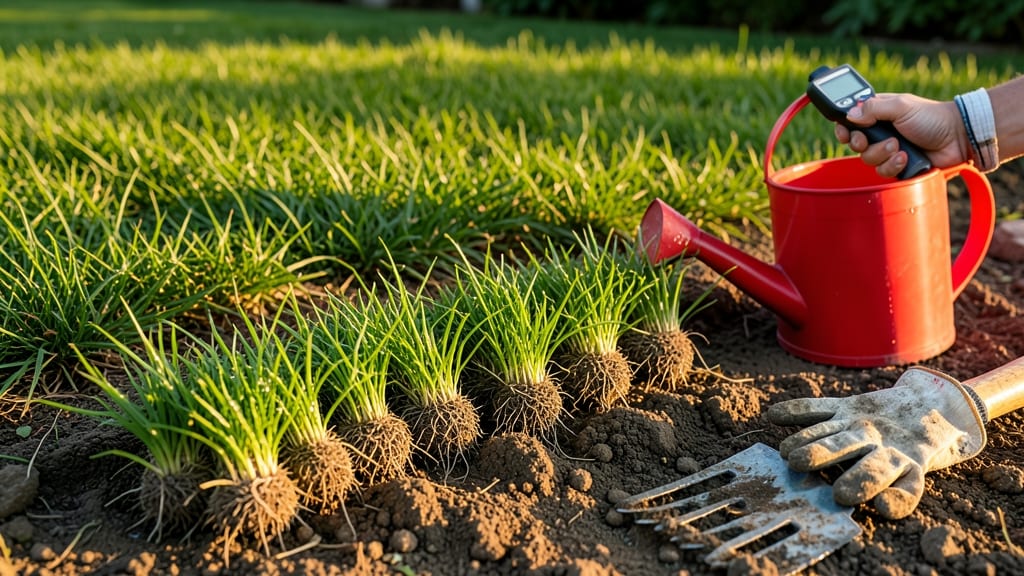
Timing is everything when it comes to planting Bermuda grass in South Carolina—get it right, and you’ll enjoy a vibrant lawn by summer; get it wrong, and you’re stuck with slow growth or weeds taking over.
The key window isn’t just about months, but soil temperatures and humidity levels that make all the difference in Zone 7b-9a.
Most gardeners in SC swear by late spring to early summer, but why? Because 🌱 Bermuda grass thrives when soil hits 65°F or warmer, and planting too early risks frost damage or damp conditions that smother seeds.
I’ll break down the exact months that work best for your specific zone—and how to tell if your soil is ready.
You might think April is safe, but coastal areas near Charleston face different risks than inland spots near Greenville. I’ll show you how to check soil temperature with a simple tool (no fancy equipment needed) and when to adjust your timeline for faster, stronger roots.
Ready for a lawn that stays green all summer? Let’s dive into the fastest way to establish Bermuda grass in SC, so you can skip the guesswork and get results you’ll love by July.
Best months to plant Bermuda grass in SC by hardiness zones
If you're planting Bermuda grass in South Carolina, timing is everything. The wrong window can leave you with slow germination or even failed establishment. Since SC spans USDA zones 7a-8b, your ideal planting months depend on your exact location—and soil temperature is the real game-changer.
Let's break it down so you can plant with confidence.
In zones 7a-7b (like Charleston or Columbia), aim for late spring to early summer when soil temperatures consistently hit 65°F (18°C).
For zones 8a-8b (e.g., Hilton Head or Myrtle Beach), you can start slightly earlier, but don't rush—late spring planting is riskier due to humidity and fungal diseases that thrive in SC's muggy air.
Here's the key: Bermuda grass seeds need warm soil to germinate. Planting too early (like March or April) when nights are still chilly can stall growth.
Waiting until May or June ensures your grass gets the heat it craves, but there's a catch—if you're in a coastal zone, late spring's high humidity can create perfect conditions for disease pressure.
For sod installation, the window is slightly more flexible. You can lay sod as early as April in zone 8b if the ground is workable, but seeds need that 65°F soil threshold to avoid dormancy.
Think of sod as a shortcut—it's already established, so it can handle slightly cooler temps better than seeds.
Now, let's get specific. The table below shows your zone-specific planting windows, soil temperature requirements, and why late spring can be a gamble in SC's climate. Use this as your planting checklist before you dig in.
Notice how zone 7a has the tightest window? That's because cooler nights in the Upstate mean slower soil warming. If you're in Greenville or Spartanburg, don't be tempted to plant in April—your seeds will just sit there waiting for warmth.
Meanwhile, coastal zones like 8b can start as early as March if you're using sod, but seeds still need that 65°F soil.
Here's a pro tip: Use a soil thermometer to check depth. Bermuda grass seeds need warmth at 2-4 inches deep. If your soil is still cool at that depth in May, wait another week.
I've seen too many gardeners rush and end up with patchy, slow-growing grass because they didn't verify soil temps.
One more thing about late spring planting: While June might seem ideal, SC's summer humidity spikes in July and August, creating perfect conditions for fungal diseases like brown patch.
If you plant in late May or early June, you'll give your grass time to establish strong roots before the humidity peaks. Think of it like giving your lawn a head start in the race against SC's summer pests.
For sod installation, the window is slightly more flexible because established grass can handle slightly cooler temps better than seeds. You can lay sod as early as April in zone 8b if the ground is workable, but seeds still need that 65°F soil threshold to avoid dormancy.
If you're torn between seeds and sod, remember: sod gives you instant grass, but seeds are cheaper and let you customize your lawn.
Bottom line? Plant Bermuda grass seeds in SC when soil temps hit 65°F+, which typically means late May to early June for most zones. Use sod for an earlier start, but verify soil warmth first. And whatever you do, don't plant in September or October
Key factors that determine your planting timeline in SC
South Carolina’s climate throws a curveball with its humidity swings and coastal vs. inland temperature differences. These factors can shift your Bermuda grass planting window by weeks—even months—depending on where you live.
For example, Charleston’s coastal breezes keep soil warmer longer than inland areas like Columbia, where heat builds more slowly. Understanding these variables ensures your grass gets the perfect start instead of struggling through inconsistent conditions.
The soil temperature is your most critical guide. Bermuda grass seeds need soil that’s consistently 65°F (18°C) or warmer to germinate properly. Inland SC areas often hit this mark by mid-April, while coastal regions may wait until late April or early May.
Testing your soil’s warmth before planting avoids the heartbreak of seeds rotting in cool, damp ground—even if the air feels warm.
🌱
⚠️ SC’s Humidity Trap
Planting too early in South Carolina’s high-humidity spring can drown your Bermuda grass seeds. The ideal window is when daytime temps stay above 75°F (24°C) and nights dip no lower than 60°F (15°C). Coastal areas like Hilton Head often face fungal risks in May, while inland zones like Greenville can plant safely by early April.
💡 Pro Tip: Use a soil thermometer ($10 at garden centers) to check depth (2 inches down). If it’s below 65°F, wait—even if the air feels warm.
Another game-changer is local rainfall patterns. Coastal SC gets consistent moisture from ocean breezes, while inland areas face drought risks by summer. If you’re planting in May or June, prioritize areas with drip irrigation or morning watering to prevent seeds from drying out before germination.
I once watched a neighbor’s Bermuda patch fail in Myrtle Beach because they relied on afternoon watering—evaporation stole all the moisture before seeds could sprout.
Don’t overlook shade patterns either. Bermuda grass thrives in full sun (6+ hours daily), but SC’s live oak trees and pine forests create microclimates where soil stays cooler. Test these spots with your thermometer—if they’re below 65°F in May, those areas need sod instead of seed for reliable growth.
For coastal gardeners, pay attention to hurricane season too. Planting in late June gives your grass 6-8 weeks to establish roots before storms roll in.
Inland areas can push planting to early July, but be ready to cover young grass with shade cloth if a heatwave hits—temps above 95°F (35°C) can scorch tender seedlings.
Finally, soil type matters. Sandy coastal soils warm up faster but drain too quickly, while clay-heavy inland soils hold moisture longer. Amend your soil with compost or peat moss to balance drainage and moisture retention.
This simple step can shave 2-3 weeks off your establishment time by creating the perfect warm, moist environment Bermuda grass craves.
☀️