
Plants
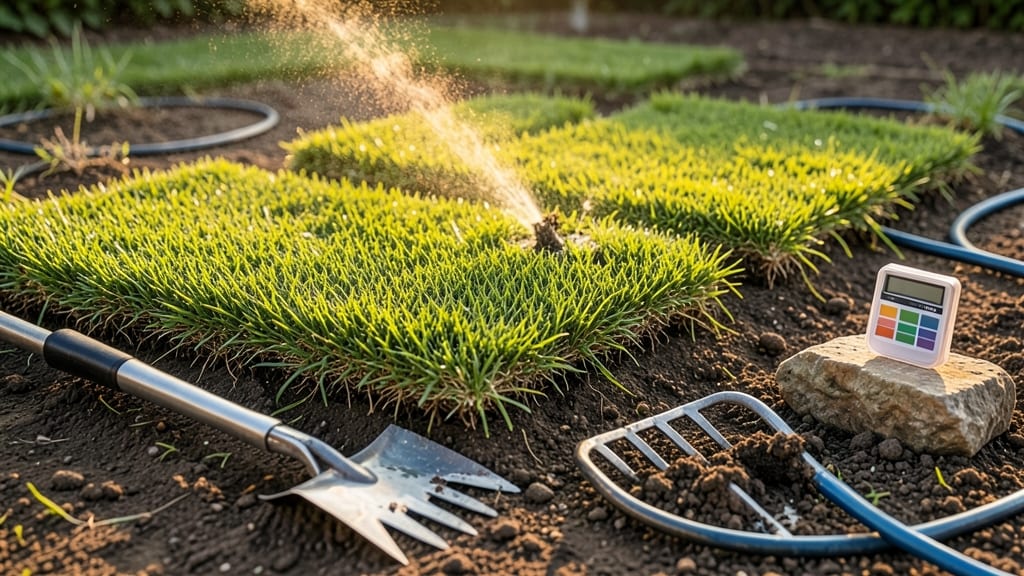
Planting Bermuda grass 🌱 in Virginia at the wrong time can turn your dream of a vibrant lawn into a frustrating battle against weeds and slow growth.
The key to success lies in understanding when the soil warms up enough for this heat-loving grass to thrive—because timing isn’t just about months, it’s about temperature.
In Virginia’s 7a-8a zones, the best windows are early spring (March-April) or late summer (August-September), when soil temperatures consistently stay above 65°F. But here’s the catch: Northern Virginia’s cooler microclimates need a slightly later start than the warmer Tidewater region.
Whether you’re planting from seed or sod, getting this right means faster establishment and a lawn that stays resilient through Virginia’s summers.
I’ll walk you through exactly when to plant, how to prep your soil, and how to adjust for your specific corner of the state—so you can skip the guesswork and get straight to a lush, green result.
Let’s cut to what matters: the fastest way to establish Bermuda grass in your Virginia yard, no matter where you live in the state. Ready to transform your lawn this season?
Optimal planting windows for Bermuda grass in Virginia: spring vs fall breakdown
Choosing the right time to plant Bermuda grass in Virginia can make the difference between a thick, green lawn and a struggling patch. Virginia's USDA hardiness zones 7a-8a offer two primary planting windows—early spring and late summer—each with distinct advantages depending on your region.
Let's break down the best times for Tidewater, Piedmont, and Mountain areas to ensure your lawn thrives.
Bermuda grass thrives in warm soil temperatures above 65°F (18°C), which is critical for germination and root establishment. In Virginia, this threshold is typically reached 4-6 weeks after the last frost date, which varies significantly between March 15 in southern regions and April 15 in the mountains.
Understanding these regional differences helps you avoid common pitfalls like slow growth or winter kill.
For Tidewater Virginia (zones 7b-8a), spring planting can start as early as late February, while Piedmont (zones 7a-7b) should wait until mid-April. In the Mountain region (zones 6b-7a), late April to early May is ideal.
Fall planting, however, offers a more consistent window across all regions—late August to early September—when soil remains warm but summer heat has passed.
Here’s a detailed comparison of spring vs. fall planting for Bermuda grass in Virginia, including soil temperature requirements, regional microclimates, and key considerations for each method:
| Factor | Spring Planting | Fall Planting |
|---|---|---|
| Optimal Months | March–April (Tidewater), April–May (Piedmont/Mountains) | August–Early September (All Regions) |
| Soil Temperature | 65°F+ (18°C+) | 65°F+ (18°C+) |
| Regional Adaptations | Earlier in Tidewater; later in Mountains | Consistent across all regions |
| Weed Competition | Higher risk (spring weeds) | Lower risk (weeds dormant) |
| Establishment Time | 6–8 weeks (slower in cooler zones) | 4–6 weeks (faster in warm soil) |
| Best For | Fast summer coverage | Strong root development |
Spring planting offers the advantage of earlier summer coverage, which is ideal if you're replacing an old lawn or dealing with weed infestations. However, weed competition can be fierce in early spring, and cooler soil temperatures may slow germination.
In contrast, fall planting reduces weed pressure and allows Bermuda grass to establish stronger roots before winter dormancy, making it a favorite for many Virginia gardeners.
For Tidewater Virginia, where winters are milder, spring planting can start as early as late February if soil temperatures are consistently above 65°F. In Piedmont, wait until mid-April to avoid frost damage to young sprigs.
The Mountain region should delay until late April or early May to ensure soil warmth and avoid late-season frosts.
Fall planting, on the other hand, is more forgiving across all regions. By planting in late August to early September, you avoid the peak weed season and allow the grass to establish before cooler temperatures slow growth.
This method is particularly effective in Piedmont and Mountain regions, where fall temperatures remain warm long enough for root development.
One critical factor to consider is whether you're planting Bermuda grass seed or sprigs. Seeds require consistent moisture and warm soil to germinate, making spring planting riskier. Sprigs, however, establish faster and are more reliable in both spring and fall. For best results, use sprigs in fall and
Critical factors that determine the best planting month in Virginia
Virginia's diverse climate—from the coastal Tidewater to the mountainous Appalachians—creates distinct planting windows for Bermuda grass. The last average frost date (typically mid-March in most regions) signals when soil warms enough for seeds or sprigs to thrive.
However, soil temperature (measured in degree-days) is the true game-changer, as Bermuda grass needs 65°F+ soil to germinate or establish roots.
In USDA zones 7a-8a, spring planting (March-April) aligns with rising temperatures, but fall planting (August-September) offers cooler soil and fewer weeds. Rainfall patterns also play a role—Virginia’s summer droughts can stress young grass, while fall moisture supports deeper root growth before winter dormancy.
Let’s break down these critical factors to pinpoint the ideal window for your region.
For northern Virginia (e.g., Shenandoah Valley), aim for late April to early May when soils reliably hit 65°F.
In southern Virginia (e.g., Norfolk), March-April works, but watch for summer heat stress if planting early. Sprigs (plugs) tolerate cooler soils better than seeds, making them ideal for mountain regions where frost lingers.
Rainfall is another wildcard—Virginia’s summer droughts can dry out young grass, while fall’s consistent moisture helps roots establish before winter. If you’re in a drier microclimate, prioritize fall planting (August-September) to avoid summer watering struggles. Always test soil moisture before planting; dry soil = poor germination.
Pro tip: Use a soil thermometer to confirm 65°F+ before planting—this beats guessing based on calendar dates. In cooler zones (7a), sprigs are your best bet, while warmer zones (8a) can handle seeds or sprigs in spring or fall.
Timing isn’t just about the month; it’s about soil, sun, and rain working together for a thick, green lawn.
🌱