
Plants
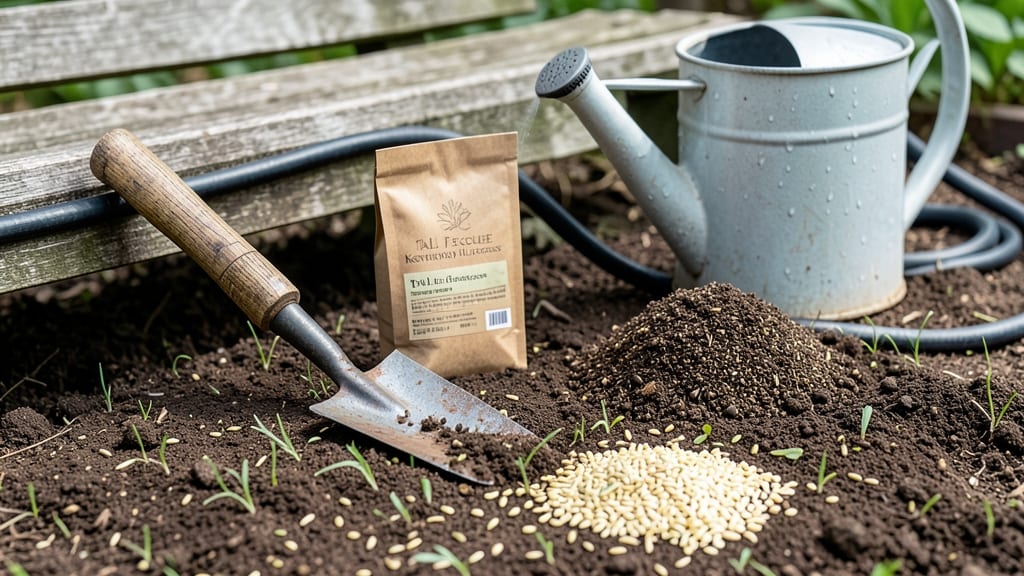
Planting grass seed in the fall can transform your yard into a lush, green carpet—but timing is everything. If you wait too late, cold weather can stunt growth, while planting too early means battling weeds and summer heat.
The key is knowing your USDA zone and acting 4-6 weeks before frost, when soil stays warm enough for roots to take hold.
For most of the U.S., that window opens in late summer and closes by early October. In Zone 6a, where many homeowners live, aim for mid-September to early October. Cooler temperatures and reduced weed competition make fall the perfect time for grass to establish strong roots before winter dormancy.
I’ve seen firsthand how a well-timed fall planting leads to faster germination and a thicker lawn come spring. Whether you’re overseeding an existing yard or starting fresh, this guide will help you pick the ideal month for your region—and avoid costly mistakes.
Let’s get your lawn off to the best possible start.
Ready to dive in? We’ll cover soil prep, seed selection, and post-planting care tailored to your climate. By the end, you’ll know exactly when to grab that seed bag and why fall is your secret weapon for a healthier lawn.
Best fall grass seed planting months by USDA climate Zone
Fall is my favorite time to plant grass seed because cooler temperatures and reduced weed competition create perfect growing conditions. But the exact timing depends on your USDA climate zone and whether you're planting cool-season or warm-season grasses.
Planting too early or late can leave your lawn vulnerable to weeds or winter stress.
For most regions, the ideal window is 4-6 weeks before your first frost, when soil temperatures hover between 50-65°F. This gives grass seeds time to germinate and establish roots before dormancy. Let’s break down the best months by zone, including regional variations for northern vs. southern states.
| USDA Zone | Best Planting Month | Soil Temp Range (°F) | Grass Type | Regional Notes |
|---|---|---|---|---|
| Zones 3-4 (Northern) | Mid-August to early September | 50-60°F | Cool-season (Tall Fescue, Kentucky Bluegrass) | Plant before September 15 in states like Minnesota or Maine to avoid early frost. |
| Zones 5-6 (Mid-North) | Late August to mid-September | 55-65°F | Cool-season (Perennial Ryegrass, Fine Fescue) | Ideal for Wisconsin, Michigan, and upstate New York. Avoid planting after October 1. |
| Zones 7-8 (South-Central) | September to early October | 60-68°F | Cool-season (Tall Fescue) or Warm-season (Bermuda, Zoysia) | Texas and Oklahoma can plant Bermuda grass as late as October 15 for fall germination. |
| Zones 9-10 (Southwest/Southern) | October to early November | 65-75°F | Warm-season (St. Augustine, Centipede) | Florida and California can plant St. Augustine through November 1 for winter growth. |
🌱 Pro Tip: Always check your local first frost date and adjust planting by 4-6 weeks.
In northern states (Zones 3-6), cool-season grasses like Kentucky Bluegrass and Tall Fescue thrive when planted in late summer to early fall. These grasses need time to establish roots before winter dormancy.
For example, in Zone 5, aim for late August to mid-September—any later, and frost may kill new seedlings.
Southern regions (Zones 7-10) offer flexibility for both cool-season and warm-season grasses. While Bermuda grass can handle late fall plantings, St. Augustine in Florida benefits from October plantings to avoid summer heat stress. Always prioritize soil temperature over calendar dates—use a soil thermometer to confirm 50-65°F ranges.
One common mistake is planting warm-season grasses in fall without considering their dormancy needs. For instance, Zoysia grass in Zone 8 can be seeded in September-October, but it won’t germinate until spring. Instead, overseed with cool-season ryegrass for winter color, then transition back to Zoysia in spring.
Regional variations matter! For example, Pacific Northwest (Zone 7-8) can plant Perennial Ryegrass as late as October 15 due to mild winters, while Midwest states (Zone 5) should finish by September 30.
Check your local cooperative extension service for hyper-local advice, especially if you’re near microclimates like valleys or coastal areas.
After planting, maintain consistent moisture (1 inch per week) and avoid heavy foot traffic for 4-6 weeks. Fall-planted grass often outperform spring plantings because cooler temps reduce weed competition and disease pressure. With the right timing, you’ll see lush, dense growth by next spring—no wasted effort!
🌿
How to prepare your lawn for fall grass seed planting
Fall is the ideal season to plant grass seed because cooler temperatures and increased rainfall create perfect growing conditions. But before you scatter those seeds, proper lawn prep is essential to ensure strong germination and a lush lawn next spring.
Skipping these steps often leads to patchy growth or weed invasion.
Your preparation should focus on four key areas: soil testing, aeration, weed control, and seed selection. Each plays a critical role in creating an environment where grass seeds can thrive. Let’s break down the exact steps I follow every fall to guarantee a healthy lawn.
✅ Step-by-Step Fall Lawn Prep Checklist
-
Step 1: Test Your Soil
Use a soil test kit to check pH (ideal: 6.0-7.0) and nutrient levels. Adjust with lime (for acidic soil) or sulfur (for alkaline soil) 4-6 weeks before planting.
-
Step 2: Aerate Compacted Soil
Rent a core aerator to remove 2-3 inch soil plugs, improving water and nutrient absorption. Focus on high-traffic areas where soil is most compacted.
-
Step 3: Control Weeds
Apply a pre-emergent herbicide (like corn gluten meal) 2 weeks before seeding to block weeds. For existing weeds, use a selective herbicide (like 2,4-D) and let it dry completely.
-
Step 4: Level and Loosen Soil
Rake the lawn to remove debris, then use a garden rake to create a fine, crumbly texture. Fill low spots with topsoil and smooth uneven areas.
-
Step 5: Choose the Right Seed
Select cool-season grasses (like tall fescue or Kentucky bluegrass) for northern climates. Southern regions thrive with warm-season grasses (like bermudagrass) planted in late summer.
-
Step 6: Apply Starter Fertilizer
Spread a low-nitrogen, high-phosphorus fertilizer (like 10-20-10) to promote root growth. Follow package rates for your lawn size.
-
Step 7: Plant and Protect
Spread seed evenly with a broadcast spreader, then lightly rake to ensure soil contact. Cover with a thin layer of straw (¼ inch) to retain moisture and protect seeds from birds.
If your lawn has compacted soil, consider renting a spike aerator or using a garden fork to manually loosen the ground. For stubborn thatch layers (over ½ inch), dethatch with a vertical mower before aerating. These extra steps ensure seeds reach the soil, not a barrier.
For lawns with existing grass, use a non-selective herbicide (like glyphosate) to kill the current sod 2-3 weeks before seeding. Always follow label instructions to avoid damaging nearby plants. After the grass turns brown, till the area to create a seedbed.
Once planted, water your lawn lightly twice daily (morning and evening) to keep the top inch of soil moist until germination (typically 7-21 days). Avoid heavy watering, which can wash seeds away or cause erosion.
With these steps, your fall-planted grass will establish deep roots before winter, giving you a thicker, greener lawn by spring. The key is patience—don’t rush the process! 🌱