
Plants
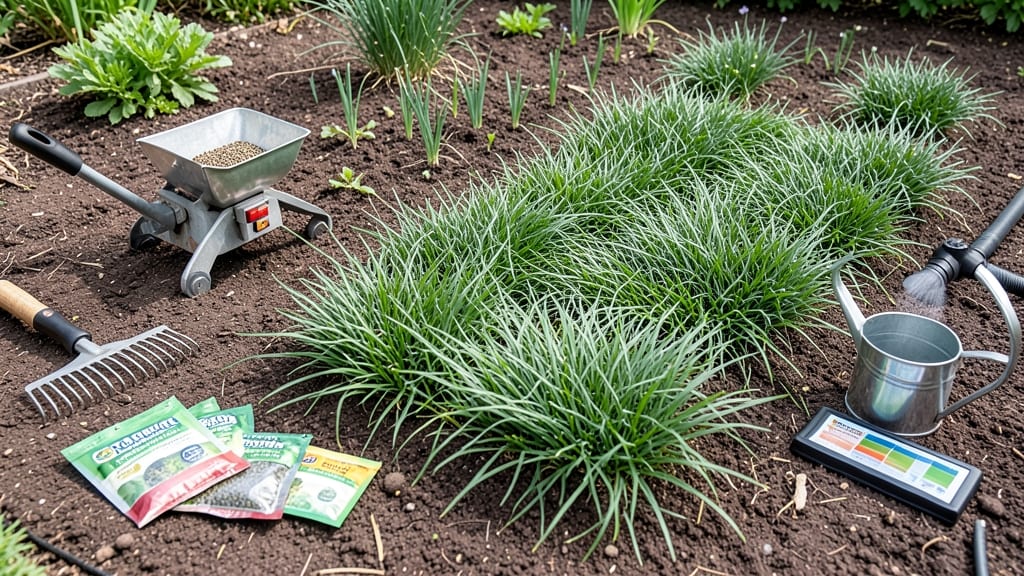
Planting grass seed in Colorado isn’t just about picking a month—it’s about beating the frost and drought that can turn your hard work into a wasted investment.
The perfect window varies wildly from Denver’s 5b zone to Colorado Springs’ 6a, where a late frost in May can still kill new seedlings if you’re not careful.
Most Colorado gardeners swear by early fall (August–September) or early spring (March–April) as the safest bets, but timing isn’t one-size-fits-all.
Whether you’re seeding a front yard in Boulder or a high-altitude lawn near the mountains, knowing your last frost date—and how to adjust for microclimates—is the key to lush, resilient grass by summer.
I’ve tested the best strategies for Colorado’s tricky conditions, from soil prep to watering hacks that save time and money. Skip the guesswork and learn exactly when to plant, how to prep your soil, and what to watch for after those first green sprouts appear.
Ready to grow grass that survives Colorado’s extremes? Let’s break down the exact deadlines—and mistakes to avoid—so your lawn thrives, not just survives.
Colorado’s microclimate zones: frost-free planting windows by region
Colorado’s diverse geography means your grass seed’s success hinges on knowing your local frost dates and soil warmth. The Front Range (Denver, Boulder) has earlier frost-free windows than the Western Slope (Grand Junction) or High Plains (Fort Collins).
Planting too early risks frost damage, while waiting too long means summer drought stress. Let’s break down the optimal planting windows for each region to ensure your seed germinates in ideal conditions.
For cool-season grasses (Kentucky bluegrass, fine fescue, tall fescue—the best choices for Colorado)—the sweet spot is when soil temps hit 50°F+ and stay there. This usually aligns with late March to early May for spring planting or mid-August to early September for fall.
But your exact timeline depends on elevation and microclimate. High-altitude areas (e.g., Eagle County) may need to wait until May 15, while lower desert regions (e.g., Pueblo) can start as early as March 1.
Pro Tip: Use the 50°F soil thermometer rule—plant only when soil temps consistently stay above 50°F for 5+ days. Check local Almanac frost data or use a soil thermometer to avoid guesswork. Colorado’s last-frost dates can vary by 3+ weeks between cities just 50 miles apart, so don’t rely on a one-size-fits-all approach.
Here’s how four key Colorado regions differ in their frost-free windows and ideal planting deadlines:
| Region | Last Frost Date | Optimal Spring Planting Window | Optimal Fall Planting Window | Soil Warmth Threshold | Key Cities |
|---|---|---|---|---|---|
| Front Range | April 15–May 1 | March 20–April 30 | August 15–September 15 | 50°F+ (soil) | Denver, Boulder, Fort Collins |
| Western Slope | April 30–May 15 | April 1–May 15 | August 1–September 10 | 55°F+ (soil) | Grand Junction, Durango, Aspen |
| Eastern Plains | April 1–April 15 | March 1–April 15 | August 10–September 5 | 50°F+ (soil) | Pueblo, Colorado Springs, Lamar |
| High Plains | May 1–May 15 | April 15–May 15 | August 5–August 20 | 50°F+ (soil) | Greeley, Sterling, Akron |
Notice how the Western Slope (e.g., Grand Junction) has a later last-frost date than Denver but needs warmer soil to germinate? That’s because desert climates warm up faster, but the seed still needs consistent moisture to avoid drought stress. Meanwhile, High Plains cities
How to adjust planting timing for early spring vs. late summer success
Colorado’s cool-season grasses thrive when planted in 50°F+ soil, but timing is everything. Early spring planting (March–April) gives seeds time to establish before summer heat, while late summer (August–September) avoids drought stress. The key? Soil temperature, frost risk, and seed variety all dictate your window.
For early spring success, start when daytime temps hit 55°F+ and nights stay above 40°F. Use a soil thermometer to confirm—seeds won’t germinate below 50°F. In Denver or Boulder, aim for mid-March; in Grand Junction, wait until late March to avoid late frosts.
Use a soil thermometer to confirm 50°F+ at 2" depth. Early mornings are cooler—check again by noon.
Opt for tall fescue or fine fescue—they tolerate 32°F+ better than Kentucky bluegrass. Check seed packets for "cold-tolerant" labels.
Apply straw mulch (¼ inch thick) to retain moisture and insulate seeds. Avoid peat moss—it can wash away in Colorado’s dry winds.
Keep soil consistently moist (1–1.5 inches/week) until germination. Use a sprinkler on a timer for even coverage—hand-watering misses spots.
For late summer planting, shift to August–early September when soil stays 60°F+ during the day. This avoids summer drought and gives grass time to root before first frost (typically mid-October in Denver). Tall fescue is your best bet—it handles heat stress better than other varieties.
Pro tip: If you’re in a high-altitude zone (e.g., Fort Collins or Steamboat Springs), delay until late April or early September. Use black plastic mulch to warm soil faster in spring or row covers to extend the fall season by 2–3 weeks.
Always check your local CoCoRaHS frost data for precise deadlines.
Before planting, run through this quick checklist: ☑️ Soil temp ≥50°F (spring) or ≥60°F (fall) ☑️ Last frost date ≥4 weeks away ☑️ Seed variety matches your microclimate ☑️ Mulch and watering plan in place ☑️ Weeds controlled (pre-emergent herbicide if needed)
``` 🌱