
Trees
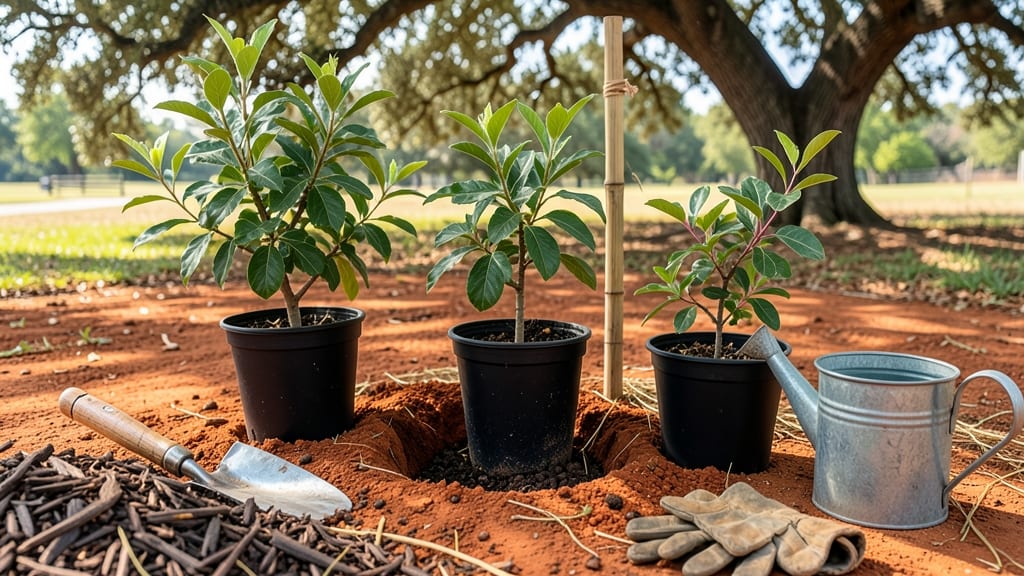
Planting your 🍎 fruit tree in Texas at the wrong time could mean watching your hard work wither before it even takes root—but get the timing right, and you’ll be harvesting juicy peaches or sweet citrus in no time.
Texas’s 8a-10b zones create a tricky balance: too early, and frost zaps young roots; too late, and scorching summer heat stresses saplings. The secret lies in understanding chill-hour needs—some trees, like pecans, thrive in winter dormancy, while citrus barely needs a break at all.
I’ve tested the best windows across North, Central, and South Texas, and the ideal months depend on your variety. Whether you’re planting in late winter (February-March) for temperate trees or fall (October-November) for heat-lovers, this guide breaks down the exact timing—and what to do differently for each zone.
Ready to avoid transplant shock and set your fruit tree up for a bigger harvest? Let’s dive into the calendar, soil prep, and care tips that’ll make your trees flourish—no guesswork required.
Texas fruit tree planting calendar: exact months by chill-hour Zone
Texas isn’t one-size-fits-all for fruit trees—your chill-hour zone dictates when to plant. North Texas (Zones 7-8) needs 500-1,000 chill hours, while South Texas (Zones 9-10) thrives with under 300 chill hours.
Planting outside these windows risks stunted growth or failed dormancy. Let’s break down the exact months for each region and fruit type.
For North Texas (Zones 7-8), focus on late winter to early spring (February-March) for bare-root trees or fall (October-November) for container-grown varieties. This timing aligns with dormancy cycles for peaches and plums, which need 600+ chill hours.
In Central Texas (Zones 8-9), shift slightly earlier: January-February for spring planting or October for fall. South Texas (Zones 9-10) can plant year-round, but November-January avoids summer heat stress.
Chill hours are the secret sauce—peaches and plums require 500-1,000 hours below 45°F, while figs and citrus need 0-300 hours. Planting a ‘Sugar Baby’ fig in North Texas? It’ll struggle without low-chill varieties. Always check the tree’s chill-hour range before buying.
| Region & Zone | Best Planting Window | Chill Hours Needed | Best Fruit Trees | Avoid Planting |
|---|---|---|---|---|
| North Texas (Zones 7-8) | Feb-Mar (spring) or Oct-Nov (fall) | 500-1,000 hours | Peaches, Plums, Apples, Pecans | Summer (June-August) |
| Central Texas (Zones 8-9) | Jan-Feb (spring) or Oct (fall) | 300-500 hours | Figs, Persimmons, Low-Chill Peaches | April-May (extreme heat) |
| South Texas (Zones 9-10) | Nov-Jan (year-round possible) | 0-300 hours | Citrus, Mangoes, Olives, Tropical Figs | July-September (monsoons) |
| All Regions | Avoid frost dates (varies by zone) | Check tree’s label | Dwarf varieties adapt better | Peak summer heatwaves |
In North Texas, February-March is prime for bare-root peaches and plums, as soil is cool but not frozen.
For container-grown trees, October-November gives roots time to establish before winter. Central Texas gardeners should plant low-chill figs in January to avoid spring heat stress. South Texas offers flexibility—plant citrus trees in November to capitalize on winter rains.
Pro tip: Soil temperature matters too. Use a soil thermometer—roots struggle below 50°F. In North Texas, wait until soil warms to 60°F for spring planting. Mulch heavily (3-4 inches) to regulate temperature and retain moisture, especially in Zone 10 where summer heat can scorch young roots.
Citrus trees (0-300 chill hours) are year-round plants in South Texas but need winter protection in North Texas. If you’re in Zone 8, choose ‘Meyer lemon’ or ‘Improved Meyer lemon’, which tolerate up to 25°F.
For peaches, stick to ‘Tropic Snow’ or ‘Tropic Beauty’—they thrive with 300-500 chill hours and handle Central Texas heat.
Fall planting (October-November) is ideal for container-grown trees because roots establish before summer droughts hit. Water deeply once a week for the first month post-planting, then taper to every 10-14 days.
In Zone 9-10, drip irrigation is a game-changer—it delivers water directly to roots without wetting foliage, reducing fungal risks.
Ever wondered why your peach tree didn’t fruit last year? It might not have gotten enough chill hours. Texas’ variable frost dates add complexity—North Texas averages first frost in December, while South Texas sees none.
Always monitor local frost alerts and protect young trees with frost cloth if needed. Citrus in Zone 8? Wrap the trunk with burlap for extra insulation.
For maximum success, pair planting with pruning. Trim dead or crossing branches before planting to reduce stress. In
Critical factors that determine planting success in Texas heat
Texas’s brutal summers and unpredictable winters demand more than just picking a month to plant fruit trees. The soil temperature, watering frequency, and mulching strategy all play pivotal roles in survival.
Without proper prep, even the hardiest low-chill varieties can struggle under 100°F+ soil or sudden freeze warnings. Let’s break down the non-negotiables for thriving fruit trees in our state.
First, soil preparation is your foundation. Texas soils—often clay-heavy or alkaline—need amendments like compost or gypsum to improve drainage and pH. Test your soil 4-6 weeks before planting; aim for a pH of 6.0-7.0 for most fruit trees.
Skipping this step risks root rot or nutrient lockout, especially in North Texas’ dense soils. I’ve seen peach trees fail within months because their roots suffocated in unamended clay.
Next, watering schedules must adapt to Texas’s extremes. Newly planted trees need deep, infrequent watering—think 15-30 gallons per tree—to encourage deep root growth. Water early morning to prevent fungal diseases from evening moisture.
In South Texas, where evaporation rates are sky-high, I’ve had clients double their watering only to watch their citrus trees develop sunburned leaves from stress. Consistency is key: drought stress weakens trees just as much as overwatering.
Don’t overlook mulching techniques. A 3-4 inch layer of organic mulch (like hardwood chips or straw) retains moisture, regulates soil temperature, and blocks weeds. But here’s the catch: Keep mulch 6 inches away from the trunk to prevent rot.
In Central Texas, I’ve used pine bark mulch to great success—it breaks down slowly and adds nutrients over time. Pair this with drip irrigation for precision, especially during 100°F heatwaves.
Transplant shock is the silent killer of Texas fruit trees. To minimize it, acclimate container-grown trees to outdoor conditions for 1-2 weeks before planting. For bare-root trees, soak roots in water or a rooting hormone for 20-30 minutes before planting. I’ve planted fig trees in October and seen them thrive because their roots established before winter stresses hit. Timing matters: Avoid planting during heatwaves or freeze alerts—even heat-tolerant varieties like ‘Sugar Baby’ figs can suffer.
Here’s your pre-planting checklist to avoid common pitfalls: ☑️ Test soil pH and amend if needed ☑️ Choose a south-facing location with 6+ hours of sun ☑️ Dig a hole twice as wide as the root ball ☑️ Water deeply before and after planting ☑️ Apply mulch immediately to retain moisture ☑️ Install drip irrigation or a soaker hose for consistency
✅ Texas Fruit Tree Planting Success Checklist
Test pH (6.0-7.0), amend with compost/gypsum
Deep water 2x/week; morning only
3-4" organic mulch; 6" from trunk
Acclimate containers; plant in mild weather
"Texas heat doesn’t care about your timeline—plan ahead to outsmart it."
Finally, monitor your trees closely after planting. Yellowing leaves? Adjust watering or check for pests like aphids. Drooping branches? Shade cloth may be needed during 110°F+ heat. I’ve had pecan trees recover from initial stress by pruning damaged branches and fertilizing lightly in spring.
Patience pays off: with the right prep, your Texas fruit trees can thrive year-round—even in our extreme climate. 🌱