
Trees
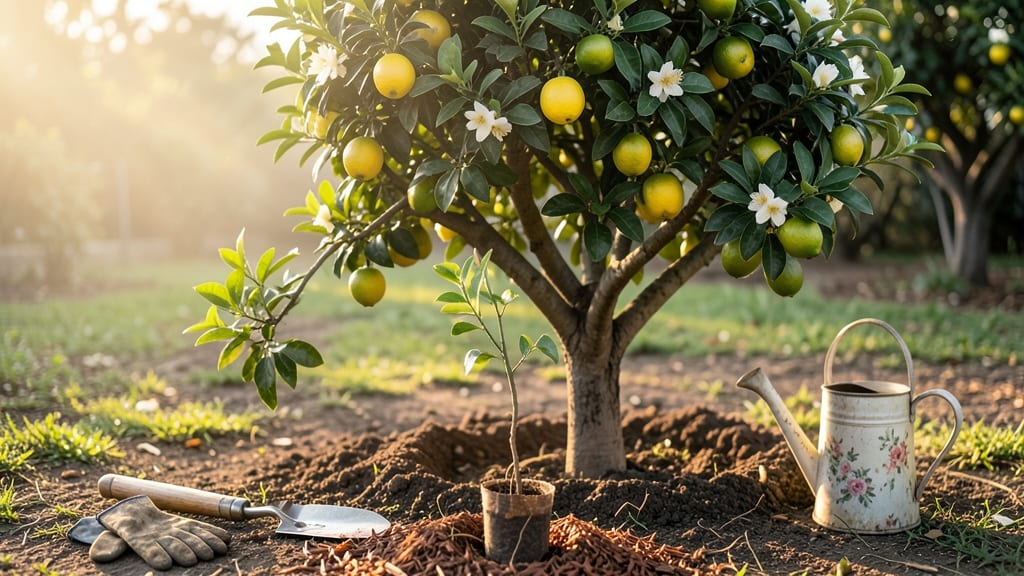
Planting a citrus tree 🍊 in Arizona isn't just about grabbing a sapling and sticking it in the ground—it’s about timing it right to beat the brutal desert heat and avoid surprise frosts that can sneak into unexpected corners of the state.
The wrong window, and your young tree could struggle before it even gets a chance to thrive.
Most gardeners in Arizona’s 9a-11 zones know the sweet spot is winter, but here’s the catch: not all winter months are created equal.
November through March offers the perfect balance of cooler temps and moisture, but even then, microclimates like Flagstaff’s chilly pockets demand extra care compared to Phoenix’s relentless sun. Getting this right means the difference between a flourishing orchard and a sad, stunted plant.
I’ve seen firsthand how a few weeks can make or break a citrus tree’s survival—whether it’s the stress of summer heat on fresh roots or the shock of an early frost creeping into the High Desert.
The key is understanding your specific heat zone and adjusting your planting schedule accordingly, so your tree settles in without fighting for its life.
Ready to skip the guesswork? I’ll walk you through the exact months to plant, how to prep your soil, and which citrus varieties handle Arizona’s quirks best—so you can enjoy homegrown oranges and lemons without the drama. Let’s get your citrus off to the right start.
Best planting months for Arizona citrus trees by heat zone
Arizona’s diverse climate creates three distinct heat zones for citrus planting: Low Desert (Phoenix, Tucson), Mid-Desert (Prescott, Sedona), and High Desert (Flagstaff, Payson). Each zone has unique frost risks and soil temperature thresholds that dictate the perfect planting window.
Understanding these nuances ensures your citrus trees establish strong roots before summer’s brutal heat arrives.
Citrus trees thrive when planted during cooler months when soil temperatures stay below 75°F. This rule applies across all Arizona zones, but the exact timing shifts based on elevation and frost potential.
For example, Low Desert areas can plant as late as March, while High Desert zones must plant by November to avoid winter chill damage. Let’s break down the ideal windows for each zone.
| Heat Zone | Ideal Planting Window | Soil Temp Threshold | Frost Risk | Key Consideration |
|---|---|---|---|---|
| Low Desert (Phoenix, Tucson) | November – March | Below 75°F | Minimal (occasional light frost) | Plant by March 15 to avoid summer stress |
| Mid-Desert (Prescott, Sedona) | October – February | Below 70°F | Moderate (28-32°F possible) | Use windbreaks for young trees |
| High Desert (Flagstaff, Payson) | September – November | Below 65°F | High (20-28°F common) | Container planting recommended for flexibility |
In the Low Desert, where temperatures rarely drop below freezing, you have the longest planting window—from November through March. This zone’s well-draining soils and consistent warmth make it ideal for citrus, but planting after March 15 risks heat stress on young roots.
Aim for November or December to give your tree time to establish before summer’s 110°F+ heat arrives.
The Mid-Desert presents a tighter window due to occasional frost. Plant between October and February when soil temperatures stay below 70°F. Areas like Prescott experience 28-32°F lows, which can damage tender citrus foliage.
If planting in late winter, use frost cloth or choose cold-hardy varieties like ‘Satsuma’ mandarins for added protection.
For High Desert gardeners, timing is critical. Plant between September and November before temperatures plummet below 65°F. This zone’s higher elevation means frost can occur as early as November, so container planting offers flexibility to move trees indoors during cold snaps.
Dwarf varieties like ‘Calamondin’ are excellent choices for this challenging environment.
Regardless of your Arizona heat zone, always check soil temperature before planting. Use a soil thermometer to confirm temperatures are below 75°F—citrus roots struggle to establish in hotter soils.
Amend heavy clay soils with compost or sand to improve drainage, a critical factor for citrus health in Arizona’s arid climate.
After planting, prioritize consistent moisture for the first 60 days to encourage root growth. Water deeply 2-3 times per week in the Low Desert, reducing to once weekly in cooler High Desert zones. Mulch around the base with straw or wood chips to retain moisture and regulate soil temperature.
One common mistake is planting citrus trees in summer or early fall, when Arizona’s heat can cause transplant shock. Young citrus trees are particularly vulnerable to heat stress and root rot if planted during peak temperatures.
Always choose cooler months and monitor weather forecasts for unexpected cold snaps, especially in Mid- and High Desert areas.
For container-grown citrus, the same timing rules apply, but you gain the advantage of moving potted trees indoors during frost events. Place containers in a south-facing location for maximum sunlight and ensure pots have drainage holes to prevent waterlogging.
This method is especially useful in High Desert zones where frost is a seasonal threat.
Remember, citrus trees are evergreen and produce fruit year-round in Arizona’s climate. Proper planting timing sets the stage for a healthy, productive tree that can thrive for decades.
By following your heat zone’s specific guidelines, you’ll give your citrus the best chance to establish strong roots and reward you with homegrown oranges, lemons, and grapefruits for years to come. 🍊🌱
Signs your Arizona citrus planting timing is perfect (or terrible)
Arizona’s winter chill and spring warmth create a narrow window for citrus planting. The right timing ensures your tree establishes roots before summer’s 110°F+ heat arrives. But how do you know if you’ve picked the perfect moment—or if you’re dooming your sapling?
First, check the soil temperature. Citrus roots thrive when soil stays between 60°F and 75°F. In Arizona, this typically means planting between November and March. If you’re unsure, use a soil thermometer—below 55°F risks root rot, while above 80°F stresses young plants.
Next, observe your tree’s readiness cues. Healthy nursery citrus trees often drop a few leaves before transplanting—a sign they’re adapting to stress. Avoid trees with yellowing leaves or wilted branches, as these indicate poor health or dehydration.
⚠️ callout warning
Even in Phoenix or Tucson, unexpected 30°F dips can occur. Planting in late March or April risks root shock + frost damage within weeks. For High Desert areas (Flagstaff, Prescott), wait until April 15+ after last frost dates. Container citrus? Move pots indoors if nights drop below 40°F.
Pro Tip: Use mulch (3-4 inches) to insulate roots and retain moisture during Arizona’s dry winters.
Rainfall patterns matter too. Arizona’s winter rains (November–February) provide natural hydration, but overwatering can drown roots. If you’re planting during dry spells, water deeply 2–3 days before transplanting to reduce shock. Avoid planting after heavy monsoon rains (July–September), as saturated soil suffocates roots.
Finally, inspect the root flare—the swollen area where roots meet the trunk. A healthy flare sits slightly above soil level. If buried, dig it out immediately; if exposed, backfill gently. This detail makes the difference between a thriving tree and a struggling one.
Listen to your tree’s signals: crisp mornings, cooler soil, and leaf drop all scream “plant now!” Ignore these cues, and you’ll battle heat stress or frost damage before your citrus even takes root. Timing isn’t just about months—it’s about microclimate and tree readiness. 🌱