
Trees
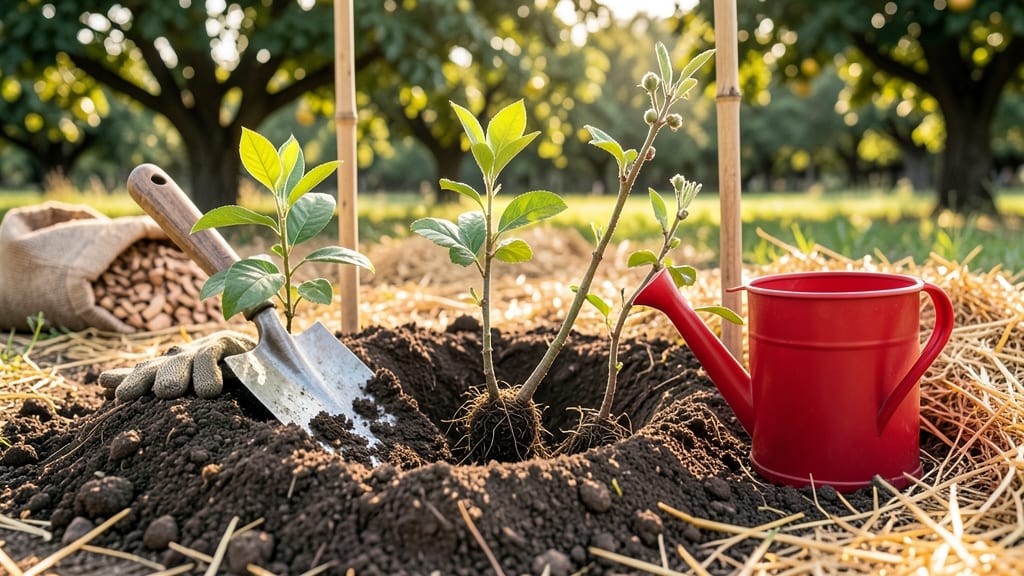
Planting your 🍎 fruit tree at the wrong time in Zone 8 could mean struggling roots and poor fruit production—or even losing your tree before it bears a single harvest.
Unlike colder climates, Zone 8’s mild winters and scorching summers demand precise timing to give young trees the best shot at survival.
Most gardeners assume spring is the only safe window, but the truth is more nuanced. In Zone 8, late winter (February–March) is actually ideal for many varieties, while low-chill trees like figs or citrus thrive when planted in early fall.
The key is matching your tree’s chill-hour needs with your local microclimate—whether you’re in a coastal fog belt or an inland valley.
I’ll walk you through the exact planting windows for peaches, plums, citrus, and more, plus soil prep secrets to ensure strong root establishment. By the end, you’ll know not just when to plant, but how to set your fruit tree up for decades of harvests—starting with the right timing.
Ready to avoid common mistakes and give your 🍎 fruit tree the perfect start? Let’s dive into the science behind Zone 8’s planting calendar.
Zone 8 fruit tree planting calendar by chill-hour requirements
Zone 8 gardeners face a unique challenge: balancing mild winters with scorching summers while matching fruit trees to their chill-hour needs. A peach tree needs 400–700 hours below 45°F to set fruit, while citrus thrives with zero chill hours.
Plant at the wrong time, and you’ll end up with stunted trees or no harvest at all. The solution? A microclimate-aware planting calendar that accounts for coastal fog, inland heat, and urban heat islands.
Inland valleys like Southern California’s Central Valley can plant 2–3 weeks earlier than coastal areas, where marine layers delay warming. For example, San Diego’s coastal fog keeps soil cooler longer, extending the safe planting window for high-chill trees like plums into January.
Meanwhile, Phoenix’s desert microclimate demands fall planting for figs to avoid summer’s brutal heat. This calendar ensures your trees establish roots before extreme temperatures hit.
For high-chill trees like peaches, timing is critical. Inland areas can plant as late as February, but coastal gardeners should start by November to avoid heat stress during root establishment. Use a soil thermometer to confirm temps are below 65°F (18°C)—roots won’t grow in warmer soil.
I’ve seen peach trees planted in March wilt within weeks because the soil was still too hot, even in cooler microclimates.
Low-chill trees like figs and loquats offer more flexibility. Figs can handle March–April planting in most of Zone 8, but coastal areas can delay until May thanks to cooler marine air.
The key is ensuring the tree has 4–6 weeks of root growth before summer’s peak heat. For loquats, September–October planting gives roots time to establish before winter rains arrive.
No-chill trees like citrus and olives are the easiest to time, but they demand perfect soil temperatures. Citrus roots struggle in soil below 60°F (15°C) or above 85°F (29°C). Plant in February–March for spring growth or September to avoid summer’s extreme heat. Olives, meanwhile, thrive when planted in fall (October–November), as their Mediterranean roots prefer cooler soil to establish before summer droughts.
Microclimates in Zone 8 can vary by 10–15°F within just a few miles. For example, San Diego’s coastal areas might see 50°F (10°C) soil temps in January, while Riverside’s inland valleys
Soil prep and post-planting care for Zone 8 fruit trees
Zone 8’s heavy clay soils can suffocate young fruit tree roots if not properly amended. The key to success lies in preparing your planting hole with the right amendments and maintaining consistent moisture during the critical first growing season.
Unlike cooler climates, Zone 8’s summer heat demands deep watering techniques and strategic mulching to protect roots from both drought and occasional winter chills.
Before you even plant, test your soil’s pH and texture—most Zone 8 gardeners discover their soil is too dense and alkaline. For peaches and plums, aim for a slightly acidic pH (6.0–6.5), while citrus and figs prefer neutral to slightly alkaline (6.5–7.5).
Amending with sulfur or peat moss can lower pH, while lime raises it—just don’t overdo it, as drastic changes shock roots.
One of the biggest mistakes I see in Zone 8 is overwatering in summer. While it’s hot, fruit trees like peaches and plums actually go dormant during heatwaves—watering deeply but less frequently encourages roots to grow deeper.
Use a moisture meter to check soil depth (aim for 3–4 inches down). If the soil stays wet longer than 48 hours, you’re overdoing it and risking root rot.
For clay-heavy soils, incorporate coarse sand or rice hulls into the planting hole to improve aeration. This is especially critical for stone fruits like nectarines, which hate soggy roots.
After planting, create a berm of amended soil around the base to encourage roots to spread outward rather than circling the trunk—a common issue in compacted soils.
Zone 8’s unpredictable winters can catch gardeners off guard. If a late frost is forecasted after your tree has broken dormancy, cover young trees with frost cloth and avoid watering for 48 hours beforehand—wet foliage conducts cold better than dry leaves.
For citrus and figs, which are evergreen, a lightweight row cover can protect new growth without smothering the tree.
Remember, the first year after planting is all about root establishment, not fruit production. Prune back any suckers or water sprouts to redirect energy to the root system.
By spring of the second year, your tree will be ready to focus on growth—and that’s when you’ll start seeing those first blossoms and tiny fruits! 🌱🌳