
Trees
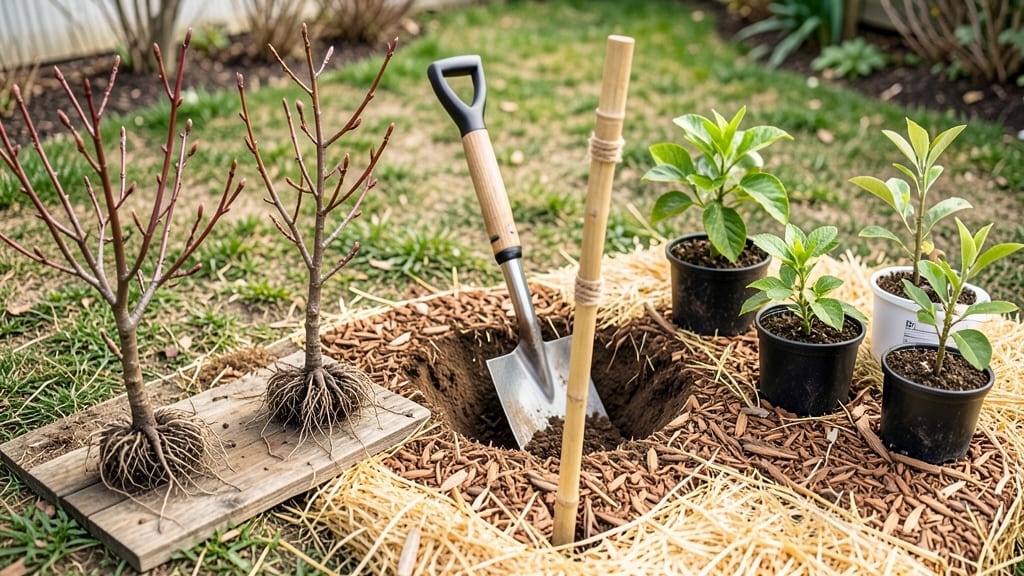
Planting your 🍎 fruit tree at the wrong time in South Carolina can mean the difference between a bountiful harvest and years of disappointment. The key to success isn't just waiting for spring—it's understanding how chill-hour requirements for different varieties align with your local climate zone.
With South Carolina's diverse zones ranging from 7b to 9a, knowing when to plant peaches (which need 300-500 chill hours) versus apples (requiring 800+ hours) makes all the difference.
I'll break down exactly which months work best for each type and why timing matters more than most gardeners realize.
Whether you're planting bare-root trees in late winter or container-grown varieties in early spring, the right preparation can mean faster establishment and healthier growth. Let me walk you through the complete process—from soil prep to post-planting care—so you can avoid common mistakes that waste time and money.
Ready to grow fruit trees that thrive in your backyard? By the end of this guide, you'll know exactly when to plant for maximum success in your specific South Carolina zone—and which varieties will give you the best harvests year after year.
South Carolina's chill-hour zones and best planting months by variety
South Carolina's climate ranges from 300 to 1,000+ chill hours, dramatically affecting which fruit trees thrive. The chill-hour requirement determines whether a tree can break dormancy properly. For example, peaches need 500-800 chill hours, while citrus requires 0-100 chill hours.
Choosing the right variety for your zone ensures successful fruiting and avoids wasted efforts.
Understanding your USDA Hardiness Zone (7b-9a in SC) and microclimates (coastal vs. piedmont) helps narrow down planting windows. The ideal planting months for most deciduous fruit trees are late winter to early spring (February-March), while citrus thrives when planted in early spring or fall to avoid frost damage.
Here's a quick reference for chill-hour needs and planting windows by fruit type:
For low-chill varieties like Elberta peaches or Baldwin apples, coastal gardeners in Zone 8a can plant in late winter (February) when soil is workable but before buds swell. In higher chill zones (Zone 7b), aim for January-February to give roots time to establish before spring growth.
Citrus trees, including Meyer lemons and Valencia oranges, thrive in SC's coastal and piedmont regions with less than 200 chill hours. Plant them in early spring (March) to avoid late frosts or in fall (September) for a head start before winter.
Always choose dwarf or semi-dwarf varieties for easier harvests.
Bare-root trees planted in dormant season (December-February) establish faster than container-grown trees. If you miss the winter window, spring planting (March-April) works for container-grown trees, but water deeply to reduce transplant shock. Avoid planting in summer heat, as high temperatures stress young roots.
Soil preparation is critical—amend with compost and organic matter to improve drainage, especially in clay-heavy piedmont soils. Test your soil's pH (6.0-7.0 for most fruit trees) and adjust with lime or sulfur as needed. Mulch heavily around the base to retain moisture and regulate soil temperature.
Remember, microclimates matter. A south-facing slope in the piedmont may have 100+ extra chill hours than a coastal garden. Use this to your advantage by selecting varieties that match your specific chill-hour accumulation.
For example, Redhaven peaches (600-800 hours) thrive in Zone 7b, while Tropicana peaches (300-500 hours) suit Zone 8a.
If you're unsure about your chill-hour zone, check local Cooperative Extension Service records or use a chill-hour calculator with your area's winter temperature data. Planting the right variety at the right time ensures healthier trees, better yields, and fewer pest issues—so choose wisely!
Critical planting timeline: what to do in each season for fruit tree success
Planting fruit trees in South Carolina requires careful timing to match the state's mild winters and hot summers. While spring is ideal for container-grown trees, bare-root varieties thrive when planted in late fall or winter. This seasonal approach ensures strong root establishment before the growing season begins.
Each season brings unique tasks to prepare your soil, protect young trees, and maximize fruit production. From dormant-season planting to summer mulching, understanding these steps will help your trees thrive for decades. Let's break down the essential actions for each season.
- 1 Fall (October-November): Plant bare-root trees when soil is workable but before first frost. Amend soil with compost and mycorrhizal fungi to boost root growth.
- 2 Winter (December-February): Apply 3-4 inches of mulch around the base. Prune dead or crossing branches and protect young trees from freezing winds with burlap wraps.
- 3 Early Spring (March-April): Plant container-grown trees 4-6 weeks before last frost. Fertilize with balanced 10-10-10 and monitor for peach leaf curl or brown rot with copper fungicide sprays.
- 4 Late Spring (May-June): Thin fruit to 6-8 inches apart for larger harvests. Water deeply once weekly during dry spells and apply mulch to retain moisture.
- 5 Summer (July-August): Monitor for aphids or scale insects. Prune sucker growth at the base and avoid overhead watering to prevent fungal diseases like powdery mildew.
Spring is the perfect time to prepare planting sites for container-grown trees. Test your soil's pH (6.0-7.0 ideal) and amend with organic matter like composted leaves or aged manure. Dig a hole twice as wide as the root ball but no deeper to prevent root rot from water pooling.
Once planted, water deeply immediately to eliminate air pockets. Use a tree collar to mark the graft union and keep mulch 3-4 inches away from the trunk. This creates a moisture barrier while preventing rot. For young trees, stake only if necessary to prevent wind damage.
Summer care focuses on water management and pest prevention. Deep watering once weekly encourages deep root growth, while drip irrigation reduces fungal risks. Apply neem oil or insecticidal soap early in the season to deter pests before they establish colonies.
As summer winds down, reduce watering slightly to harden off trees for winter. Apply a second layer of mulch in late fall to insulate roots. For citrus trees, consider wrapping the trunk with burlap to protect against freezing temperatures below 20°F.
By following this seasonal plan, your fruit trees will establish strong roots, resist pests, and reward you with abundant harvests for years to come. The key is consistency—seasonal prep pays off in fruitful rewards! 🍑🌳