
Plants
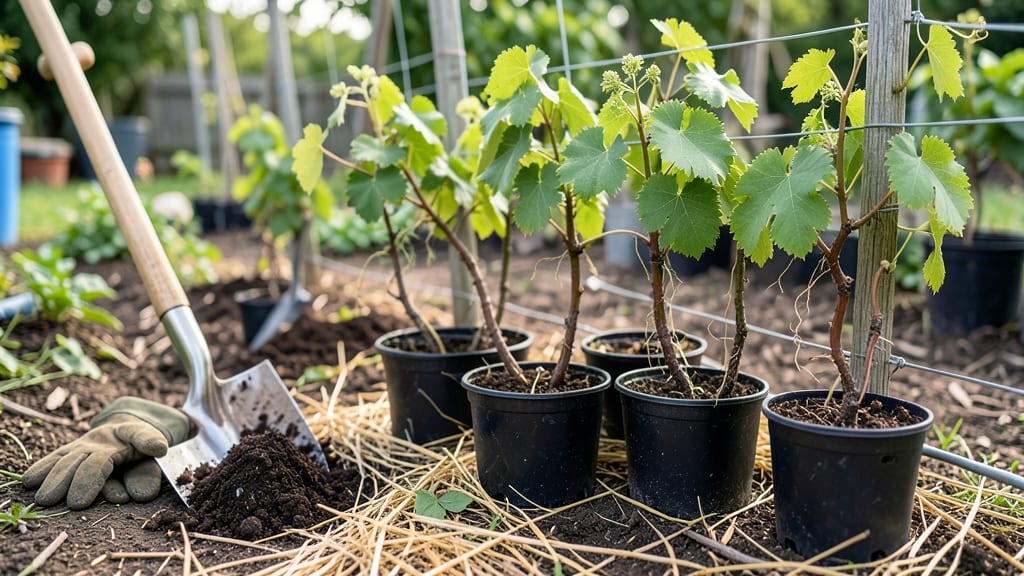
Planting grapes in North Carolina at the wrong time can mean the difference between a thriving vineyard and wasted effort—especially when chill hours and heat zones collide. 🍇 Whether you're growing table grapes for fresh eating or wine grapes for fermentation, getting the timing right is the key to survival and sweet rewards.
Most gardeners in NC’s 6a-8b zones assume late winter or early spring is the only option, but the truth is more nuanced. The best window actually depends on your specific heat zone, soil temperature, and even the grape variety you’ve chosen.
For example, heat-loving muscadines thrive when planted earlier than traditional wine grapes, which need cooler soil to establish roots.
In this guide, I’ll break down exactly when to plant grapes in NC—from the Piedmont’s cooler slopes to the Coastal Plain’s humid heat—so you can match your vines to your microclimate.
You’ll learn how to read frost dates, prepare your soil, and even adjust for early or late varieties to maximize your harvest potential.
Skip the guesswork and plant with confidence. By the end, you’ll know not just when to plant grapes in NC, but how to set them up for success from day one.
North Carolina’s grape planting windows by chill hours & heat zone
North Carolina’s diverse climate—from the cool mountain zones of the Blue Ridge to the humid Coastal Plain—creates unique challenges and opportunities for grape growers. The key to success lies in matching chill hour requirements with your USDA heat zone.
For example, Cabernet Sauvignon thrives in 5b–7a zones with 500–800 chill hours, while Muscadines like ‘Scuppernong’ need just 0–300 chill hours and excel in 8a–8b areas. Planting at the wrong time can mean stunted growth, poor fruit set, or even vine death.
Your planting window depends on two critical factors: soil temperature (ideally 50–60°F) and frost risk. In NC’s Piedmont region (6b–7a), aim for late February to early April when the ground thaws but before spring blooms signal rising temperatures.
Meanwhile, Coastal Plain growers (8a) can plant as late as April–May, while mountain zones (5b–6a) should start in March to avoid late frosts. Understanding these nuances ensures your vines establish roots before summer heat arrives.
| USDA Zone | Chill Hours | Best Planting Window | Recommended Varieties | Key Considerations |
|---|---|---|---|---|
| 5b–6a (Mountains) | 500–1,000+ | March (soil at 50°F+) | Cabernet Sauvignon, Chardonnay, Norton | Late frost risk; use row covers |
| 6b–7a (Piedmont) | 300–600 | Late Feb–early April | Merlot, Syrah, Catawba, Concord | Balanced humidity; watch for powdery mildew |
| 7b–8a (Coastal Plain) | 0–300 | April–May (after last frost) | Muscadines (Scuppernong), Black Spanish | High heat tolerance; mulch heavily |
For table grapes like ‘Concord’ or ‘Thompson Seedless’, the Piedmont’s 6b–7a zones offer the sweet spot with 400–500 chill hours. These varieties need 6–8 weeks of dormancy (below 45°F) to break bud dormancy, so planting in late February ensures they’re ready to grow when soil warms.
In contrast, wine grapes like ‘Norton’ (also called Cynthiana) thrive in 5b–6a with 800+ chill hours and should be planted by mid-March to avoid spring heat stress.
If you’re growing Muscadines—NC’s native grapes—focus on Coastal Plain zones (7b–8a) where they require 0–200 chill hours. These heat-loving vines can handle April–May planting and even tolerate container growing in urban areas.
For best results, choose ‘Cowart’ or ‘Fry’ varieties, which ripen 2–3 weeks earlier than traditional grapes, avoiding late-season humidity issues.
Soil temperature is your most critical factor. Use a soil thermometer to confirm 50–60°F depths before planting. In mountain zones, this often means waiting until late March, while Coastal Plain growers can start as early as February if using black plastic mulch to warm the soil.
Pro tip: Bare-root grapes should soak in water for 4–6 hours before planting to rehydrate roots, especially in dry Piedmont soils.
Timing also affects first-year yields. Vines planted in ideal windows (as shown in the table) will produce small clusters by year 2, while late plantings may take 3–4 years to bear fruit.
For example, a ‘Black Spanish’ grape planted in May in zone 8a might never recover from summer heat stress, whereas the same variety planted in April thrives. Always check NC State Extension’s frost maps for your county to refine your schedule.
Don’t overlook microclimates. A south-facing slope in the Piedmont can add 2–3°F warmth, letting you plant 2 weeks earlier than flat areas. Similarly, urban heat islands in Raleigh or Charlotte may allow April plantings of heat-tolerant varieties like ‘Bluebird’.
Use these natural advantages to extend your window and
Critical pre-planting steps to maximize grapes survival in NC’s climate
North Carolina’s humid subtropical climate and variable frost dates demand extra prep before planting grapes. Start by testing your soil pH—aim for 6.0–6.5—and amend with compost or aged manure to improve drainage. Grapes hate soggy roots, especially in NC’s Coastal Plain areas where humidity rot thrives.
Choose disease-resistant rootstock like 1103 Paulsen or 140 Ruggeri to combat Phylloxera and powdery mildew, common in NC’s warm winters. For bare-root plants, soak roots in water mixed with mycorrhizal fungi for 2–4 hours before planting to boost root establishment.
⚠️ callout warning ⚠️
- Late frosts (March 15–April 15): Wait until soil temps reach 60°F+ for 2+ weeks.
- Humidity rot: Space vines 6–8 feet apart and use drip irrigation to avoid leaf wetness.
- Deer damage: Plant near fences or use deer-resistant varieties like ‘Scuppernong’.
Pro Tip: Harden off bare-root plants for 7–10 days before planting by gradually exposing them to outdoor temps.
Prune new vines to 2–3 buds at planting to encourage root growth over top growth. Use sharp, sterilized pruners and seal cuts with pruning paste to prevent bacterial infections, which spread faster in NC’s heat and humidity.
Schedule irrigation for the first 30 days post-planting: deep water 2–3x per week (1–2 inches total) in morning hours to reduce fungal risks. Mulch with wood chips or straw to retain moisture and suppress weeds, which compete for water during NC’s hot, dry summers.
After planting, monitor for early signs of stress like yellowing leaves or stunted growth—common in Mountain vs. Coastal Plain transitions. Adjust care based on your USDA zone: Zone 7b+ vines may need shade cloth in peak summer, while Zone 6a vines benefit from row covers in spring.
Protect young vines from wildlife with chicken wire cages until established (3–4 months). In urban NC, container-grown grapes need larger pots (15+ gallons) and regular fertilization to compensate for limited root space. Always stake vines immediately to prevent wind damage from coastal storms.