
Plants
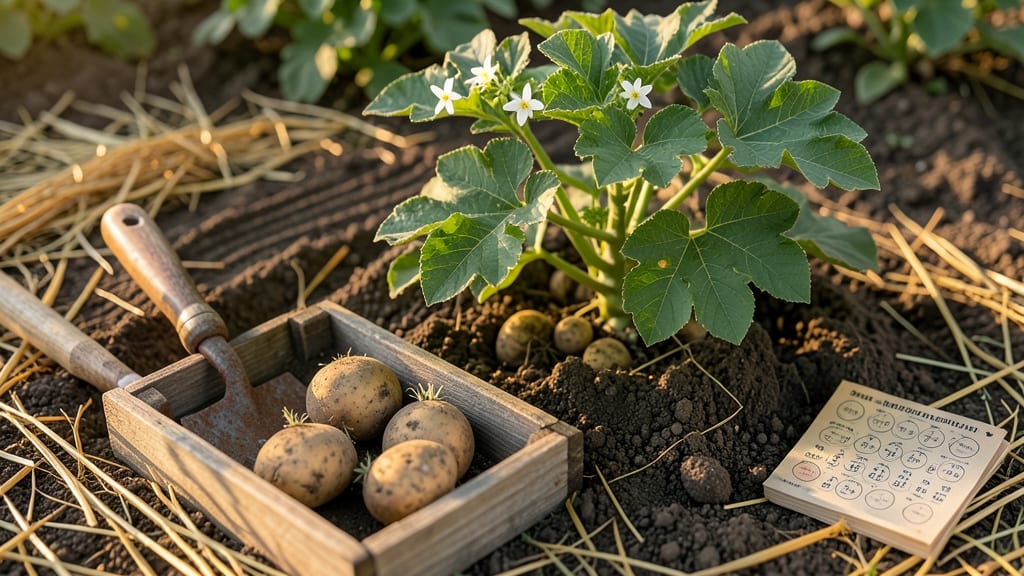
Planting potatoes in North Carolina isn't just about throwing seeds in the dirt—it's about timing them perfectly to beat the state's unpredictable frost and heat waves.
Whether you're in the cooler mountains of Zone 5a or the warmer Piedmont region of Zone 7b, getting those spuds in the ground too early or late can mean the difference between a golden harvest and a sad, wilted mess.
I've learned the hard way that soil temperature matters just as much as frost dates. For optimal growth, your soil should be between 45-55°F—any colder, and your potatoes will rot before they even sprout.
But here's the kicker: coastal areas like Wilmington can start planting weeks earlier than the mountains, where a late frost can still sneak in by April.
What if you're unsure whether to plant early varieties like Yukon Gold or wait for the heat-loving Russets? I'll break down exactly when to plant each type based on your specific zone, plus how to stretch your harvest season with smart techniques. Let's get those 🥔 growing!
Ready to avoid common mistakes like planting too deep or ignoring soil moisture? Stick around—I've got the inside scoop on adjusting your schedule for North Carolina's unique climate quirks, so you can enjoy homegrown potatoes all summer long.
North Carolina potato planting calendar by growing Zone (soil temp & frost dates)
North Carolina’s diverse climate—from the cool mountain regions of Zone 5a to the warmer coastal plains of Zone 8a—creates wildly different potato planting windows. The key to success? Planting when soil hits 45-55°F and avoiding late frosts that can kill tender sprouts.
In my Zone 6b garden, I’ve learned that timing isn’t just about dates—it’s about soil conditions and variety choices.
Sweet potatoes, for example, thrive in warmer zones (7a-8a) and can handle later plantings, while red and white potatoes need cooler soil to prevent disease. Below, I’ve broken down the ideal planting windows for each zone, plus soil temperature targets and frost-free benchmarks to help you plan like a pro.
🌱
In Zone 5a, where I’ve gardened with friends in the mountains, planting too early can lead to rotten tubers if soil stays cold. Aim for mid-April when soil warms to 45°F, and use row covers if late frosts linger.
Meanwhile, in Zone 8a, I’ve seen gardeners plant sweet potatoes as early as December—but only if soil is above 55°F.
For early varieties like Yukon Gold, plant 2-3 weeks before your last frost date to ensure harvest before summer heat. Late varieties (e.g., Russet Burbank) need 90+ days, so plant them after the frost-free window to avoid disease pressure from warm, humid conditions.
🌡️ Pro tip: Test soil temperature with a soil thermometer—planting when it’s consistently 50°F+ for 3 days is better than guessing by calendar dates. I’ve learned this the hard way after seeing sprouts die in Zone 6b when planted too soon!
Sweet potatoes are the exception—they love heat and can even be planted in late spring (May-June) for a fall harvest. In my Zone 7a garden, I’ve had great success with Beauregard sweet potatoes planted in April and harvested in October.
Don’t forget: Succession planting works wonders! In Zones 6a-8a, plant every 2-3 weeks through early summer for a continuous harvest. Just adjust planting depth—4-6 inches deep in sandy soil, 2-3 inches in clay—to prevent tuber exposure.
☀️ Remember, potatoes need full sun (6+ hours daily) and
How to adjust planting for early vs. late varieties (and avoid common mistakes)
Choosing between early-maturing potatoes like ‘Yukon Gold’ and late-season keepers like ‘Russet Burbank’ isn’t just about preference—it’s about maximizing your NC harvest.
Early varieties thrive when planted 2-3 weeks before your last frost date, while late varieties need a longer growing season and should go in after the soil warms to 50°F. Get this wrong, and you’ll end up with stunted tubers or missed harvest windows.
I’ve learned the hard way that planting depth and soil moisture are just as critical as timing. Too deep, and your potatoes won’t form properly; too shallow, and they’ll bake in the sun.
And if you ignore consistent moisture, you’ll watch your harvest shrivel before it even matures. Let’s break down the key adjustments and 3 mistakes that derail even experienced NC gardeners.
🌱 Numbered Highlights: Early vs. Late Potato Planting in NC
- 1. Early Varieties (60-90 days): Plant ‘Red LaSoda’ or ‘Kennebec’ 2-3 weeks before last frost. Ideal for spring harvests and succession planting.
- 2. Late Varieties (90-120 days): Reserve ‘Russet Burbank’ or ‘Sweet Potato’ for after soil reaches 50°F. Perfect for fall storage and longer growing seasons.
- 3. Planting Depth: Bury seed potatoes 4 inches deep—any deeper, and tubers struggle to form; too shallow, and they’ll green and spoil.
- 4. Soil Moisture: Keep soil consistently moist but not soggy. Drought stress causes scab disease and small tubers.
- 5. Mistake #1: Ignoring Frost Dates—Planting late varieties too early in Zone 5a risks frost damage before maturity.
- 6. Mistake #2: Overcrowding—Space rows 12-18 inches apart; too close, and tubers compete for nutrients.
- 7. Mistake #3: Skipping Soil Prep—Add compost and well-rotted manure to avoid poor drainage and stunted growth.
For early varieties, I start planting in late February to early March in Zone 7b, timing it so they’re ready by late May. This gives me a spring harvest before the heat sets in.
Meanwhile, my late-season potatoes go in mid-April, when the soil is reliably warm. The key? Test soil temperature with a soil thermometer—if it’s below 45°F, wait.
One year, I planted ‘Yukon Gold’ too early in Zone 6a, and a late frost wiped out half my crop.
Since then, I’ve used row covers for early plantings and succession planting to stretch my harvest. Pro tip: If you’re in Zone 5a, consider cold frames to extend your growing season.
Don’t forget to hill soil around stems as plants grow—this prevents greening and encourages larger tubers. And if you’re growing sweet potatoes, wait until after Memorial Day to avoid frost damage. The right variety and timing can turn a marginal season into a goldmine harvest.
With these adjustments, you’ll avoid the 3 biggest mistakes NC gardeners make: planting too deep, ignoring soil moisture, and skipping frost protection. Now grab your seed potatoes, mark your calendar, and get ready for a bountiful harvest! 🌱