
Plants
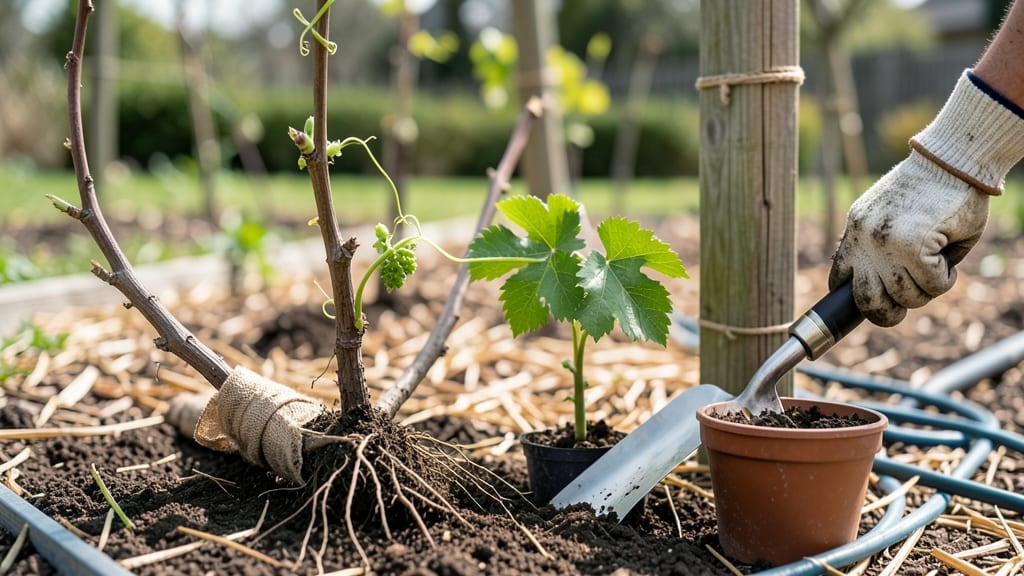
Planting grapes in Arizona isn't just about picking a random month—it's about beating the heat and setting your 🍇 vines up for success before summer arrives. The key window runs from November through February, when cooler temperatures give young roots time to establish without battling the desert sun's intensity.
Why does timing matter so much? Arizona's USDA Zone 9b climate means grapes planted in spring risk wilting before they can take hold. Winter planting gives them a head start, letting roots spread deep into well-draining soil while avoiding the 100°F+ summers that can fry tender new growth.
This guide will walk you through the exact months that work best for your region, whether you're in Phoenix's low desert or Flagstaff's cooler highlands.
You'll also discover how to prepare your soil, choose the right varieties like Thompson Seedless, and protect your vines from unexpected frost—all critical steps for a thriving harvest.
Ready to grow grapes that survive Arizona's extremes? Let's dive into the strategies that make the difference between a struggling vine and a bountiful harvest from May through September.
Best planting times for grapes in Arizona’s unique heat zones
Arizona’s USDA hardiness zones 7-10 create a complex puzzle for grape growers. Unlike cooler climates, timing is everything—plant too early, and your vines may struggle with summer heat; too late, and they won’t establish roots before the growing season.
The key lies in understanding microclimates and matching varieties to your specific zone.
For low-desert areas (Zones 9b-10a), like Phoenix and Tucson, the ideal planting window stretches from November through February. This gives vines time to root before triple-digit temperatures arrive.
Meanwhile, high-desert regions (Zones 7b-8a), such as Flagstaff, can plant slightly later—March through early April—thanks to cooler nights and shorter summers.
Here’s the critical trade-off: Winter planting (Nov-Feb) suits cold-hardy varieties like Thompson Seedless or Flame Seedless, which can tolerate brief cold snaps. Spring planting (March-April) works better for tender varieties like Muscat, but risks heat stress if vines don’t establish quickly.
Your choice depends on your local frost dates and variety tolerance.
In Zone 9b-10a, where Phoenix and Tucson reside, December-January is my top recommendation. This aligns with the coolest months and gives vines 4-6 weeks to root before April’s heat spike.
For Zone 7b-8a, like Flagstaff or Prescott, March planting avoids late-spring frosts while allowing vines to establish before summer’s end.
One common mistake is planting in late February or early March in low-desert zones. By then, soil temperatures can exceed 80°F, shocking young roots. Always check soil temps—they should stay below 70°F for 4-6 weeks post-planting. Use a soil thermometer to monitor.
For container-grown grapes, timing shifts slightly. Since pots heat up faster than ground soil, plant 2-3 weeks earlier (e.g., October-November in Zone 9b). This gives roots a head start before summer’s brutal heat sets in. Just ensure containers have drainage holes and use lightweight potting mix to prevent overheating.
If you’re in a transition zone (e.g., Mesa or Sedonamicroclimates vary, observe your neighbors’ grapevines. Do they leaf out early? That’s your cue to plant 1-2 weeks later to avoid late frost damage.
Conversely, if vines struggle in summer, opt for earlier planting to maximize root growth before heat stress hits.
Pro tip: Bareroot vines (sold without soil) need immediate watering after planting. In Arizona’s dry air, soak the root zone for 10-15 minutes to ensure full contact with soil. For potted vines, water before transplanting to reduce transplant shock.
Finally, mulch heavily after planting—4-6 inches of straw or wood chips—to retain moisture and regulate soil temps. In Zone 10a, this is non-negotiable; without mulch, shallow roots will bake in the summer sun.
Pair this with drip irrigation set to early morning to keep vines hydrated without fungal risks.
How Arizona’s microclimates affect grape planting success
Arizona’s diverse landscapes create distinct microclimates that dramatically impact grape planting. The low desert around Phoenix (USDA Zone 10-11) enjoys 300+ frost-free days, while high desert areas like Flagstaff (Zone 7-8) face cooler nights and occasional frost.
These differences mean your planting schedule should shift based on elevation and urban heat island effects.
In Phoenix and Tucson, grapevines can be planted year-round with minimal frost risk, but winter planting (November-February) gives roots time to establish before summer heat. Meanwhile, Flagstaff and Prescott gardeners should wait until late April or May to avoid late frosts that can damage tender new growth.
Urban areas like Scottsdale or Mesa experience heat islands where pavement absorbs heat, raising soil temperatures by 5-10°F compared to rural areas. This means shade cloth or afternoon shade becomes critical for young vines planted in these zones.
Adjust your schedule by planting 2-4 weeks earlier in urban areas to compensate for the extra heat stress.
🌡️ Microclimate Planting Adjustments for Arizona Grapes
-
Low Desert (Phoenix/Tucson)
Zone 10-11 -
Best Planting: Nov-Feb
Soil temp: 65-75°F -
Urban Heat Tip: Use shade cloth
30% shade in summer -
High Desert (Flagstaff)
Zone 7-8 -
Best Planting: Late April-May
Avoid frost risk -
Elevation Tip: Cold-hardy varieties
e.g., 'Concord' or 'Thompson' -
Transition Zones (Sedona)
Zone 8-9 -
Best Planting: Feb-Mar
Balance heat/frost -
Soil Prep Tip: Amend with compost
Improve drainage
If you're planting in transition zones like Sedona or Prescott Valley (Zones 8-9), aim for February-March to balance the risks of late frosts and early heat.
These areas often experience 10-15°F temperature swings between day and night, so choose cold-hardy varieties like 'Concord' or 'Thompson Seedless' that can tolerate these fluctuations.
Another key factor is soil temperature. In the low desert, soil can reach 90°F+ in summer, which stresses young roots. Plant bare-root vines in winter when soil temps are cooler (65-75°F) to give them a head start.
For high desert areas, wait until soil warms to at least 60°F to prevent root rot from lingering cold.
Pro tip: Use a soil thermometer to monitor temperatures before planting. In Phoenix, aim for 70-75°F soil temps; in Flagstaff, wait until 65°F or warmer. This small adjustment can mean the difference between thriving vines and struggling transplants in Arizona’s extreme conditions. 🍇