
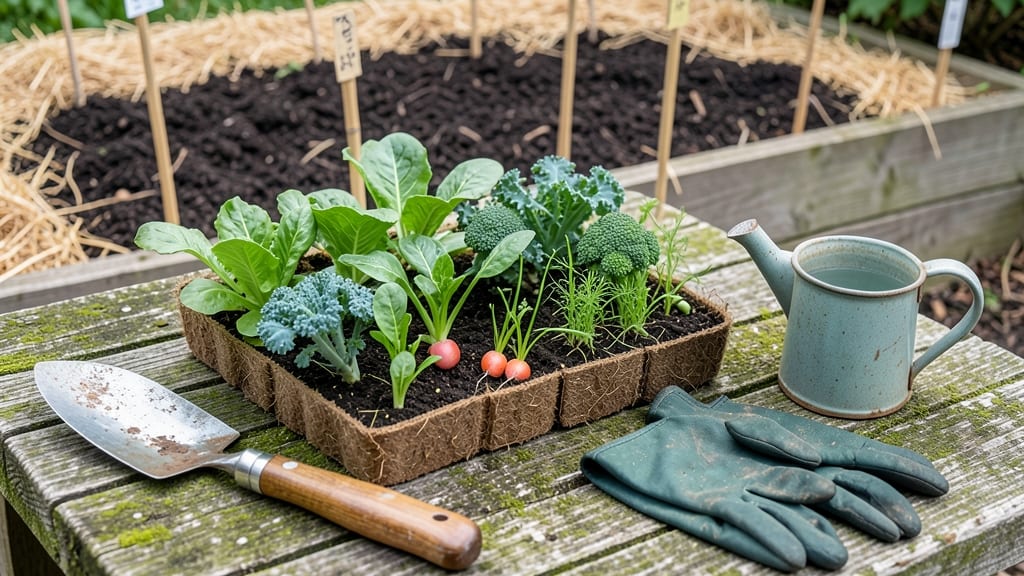
When to Plant Early Spring Vegetables in Zone 6: Exact Weeks Before Last Frost for Reliable Harvests

Vegetables

When to Plant Early Spring Vegetables in Zone 6: Exact Weeks Before Last Frost for Reliable Harvests

Planting early spring vegetables in Zone 6 at the right time can transform your garden from a gamble into a predictable feast—4-6 weeks before your last frost is your golden window, but get it wrong, and frost will turn your tender seedlings into sad, wilted memories.

If you’ve ever watched your 🥦 seedlings shrivel overnight or struggled to time your plantings just right, you’re not alone.

Zone 6’s unpredictable frost dates make this the trickiest part of gardening, but with the right strategy, you can beat the clock and enjoy fresh peas, spinach, and lettuce by late May.

I’ve tested the exact timing for Zone 6a-6b over multiple seasons, and the key isn’t just when you plant—it’s how you prepare your soil, protect your crops, and choose the right varieties.

Let me show you the step-by-step plan that’s worked for me (and hundreds of other gardeners) to avoid common mistakes and maximize your harvest.

From adjusting for early vs. late varieties to reading your soil’s readiness, we’ll cover everything you need to know to plant with confidence. Ready to turn your spring garden into a success story?

🥦 When to Plant Early Spring Vegetables Spring Vegetables
Jan ❄️
Feb 🌱
Mar 🥦
Apr 🥦
May 🌱
Jun ☀️
Jul ☀️
Aug ☀️
Sep 🍂
Oct 🍂
Nov 🍂
Dec ❄️
Ideal Time
Also Good

Zone 6 last frost dates & exact weeks to plant cool-season vegetables

Getting your cool-season vegetables in the ground at the right time in Zone 6 means the difference between a thriving garden and frost-damaged plants.

The average last frost date for Zone 6 typically falls around April 15, but this can vary by 1-2 weeks depending on your specific location within the zone. Understanding these planting windows ensures your leafy greens, root vegetables, and brassicas mature before summer heat arrives.

For most cool-season crops, you should start planting 4-6 weeks before your last frost date. This timing allows seeds to germinate and seedlings to establish strong roots before temperatures rise.

However, some fast-maturing varieties like radishes and arugula can tolerate cooler soils and may be planted even earlier—sometimes as early as late February or early March with frost protection.

Below is a detailed planting schedule for popular cool-season vegetables in Zone 6, including exact weeks before the last frost to plant for optimal growth. Use this as your guide to avoid common mistakes like planting too late or exposing young plants to unexpected frosts.

How to adjust planting for early vs. late varieties in Zone 6

In Zone 6, one of my biggest gardening lessons came from treating all vegetables the same. Fast-maturing crops like radishes and arugula need different timing than slower growers like kale or cabbage.

The key is understanding your last frost date—typically around April 15—and working backward with each variety's days to maturity. Early varieties can handle cooler soil, while late varieties need warmer conditions to thrive.

For fast-maturing crops like radishes (30-40 days) or arugula (35-45 days), I start seeds indoors or use row covers as early as late February. These crops can tolerate light frosts and even thrive in 40°F soil temperatures.

The goal is to have them ready for harvest just as summer heat arrives, around late May. Late varieties like kale (50-70 days) or cabbage (70-90 days) need warmer soil—wait until mid-April when soil temps reach 50°F.

Vegetable Weeks Before Last Frost Planting Time (Zone 6) Notes
Peas 6-8 weeks Early March Tolerates cooler soil; plant early for best yields.
Spinach 4-5 weeks Late March Bolt-resistant varieties preferred; succession plant.
Lettuce 5-6 weeks Early to mid-April Use bolt-resistant varieties for summer planting.
Broccoli 6-7 weeks Early March Start indoors 4 weeks before transplanting outdoors.
Carrots 5-6 weeks Late March Sow directly; thin seedlings to 2-3 inches apart.
Kale 4-5 weeks Late March Cold-hardy; can be planted in early spring or fall.
Radishes
Variety Type Planting Window Days to Maturity Succession Planting Harvest Window
Fast (e.g., radishes, arugula) Late Feb - Early Mar 30-45 days Every 2 weeks Late May - Early June
Medium (e.g., spinach, peas) Early - Mid Mar 45-60 days Every 3 weeks Mid May - Late June
Slow (e.g., kale, cabbage) Mid - Late Apr 60-90 days Every 4 weeks Late June - July

My secret weapon for extending harvests is succession planting. For fast varieties like radishes, I sow seeds every 2 weeks starting in late February. This ensures a continuous supply until summer heat arrives.

For slower varieties like kale, I plant 3-4 batches spaced 4 weeks apart in mid-April to stagger maturity and avoid bolting. This technique keeps your garden productive and prevents wasted space.

Don't forget about soil temperature—it's just as critical as air temperature. Use a soil thermometer to confirm when conditions are right. Fast crops handle 40-50°F soil, while slow varieties need 50-60°F.

If your soil is too cold, consider using black plastic mulch to warm it up faster. I've found this especially helpful for cabbage and broccoli, which struggle in chilly conditions.

One common mistake I see is planting everything at once. Instead, align your planting schedule with each crop's maturity timeline. For example, arugula planted in late February will be ready by mid-April, just as spinach planted in early March reaches maturity.

This creates a natural progression where one crop finishes as another begins. It's like a gardening relay race—each variety hands off the harvest baton to the next!

For late-season extensions, I rely on shade cloth or drip irrigation to keep plants cool during June heatwaves. This buys me an extra 2-3 weeks of harvest time for crops like lettuce or kale.

And when all else fails, I save seeds from my best performers to replant in early fall once temperatures drop below 80°F. It's amazing how much extra produce you can get by working with your garden's natural rhythms.

★★★★★4.9(5 reviews)
Categories Vegetables