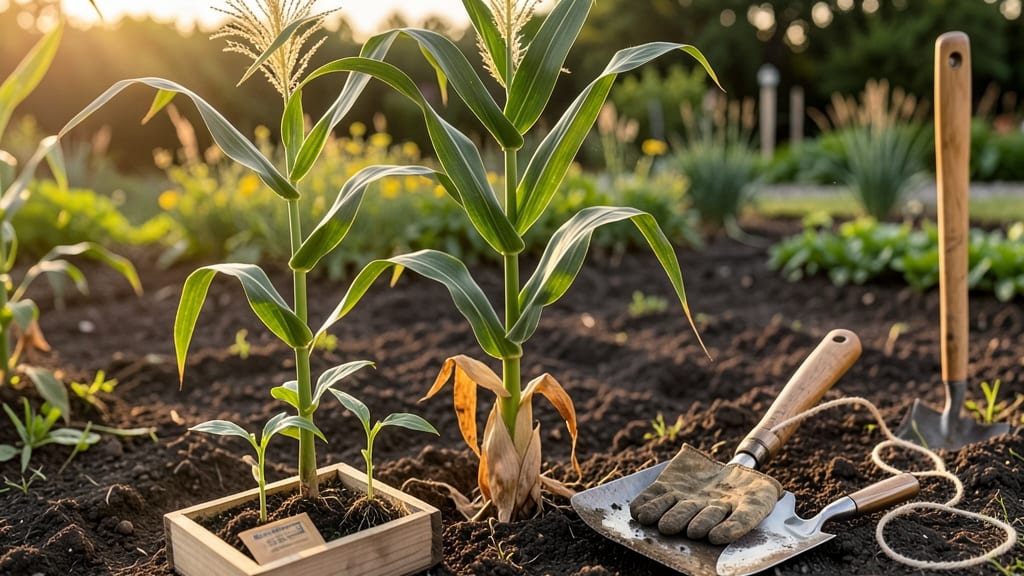
Planting corn in Vermont isn’t just about dropping seeds into the dirt—it’s about catching that narrow frost-free window that separates a thriving harvest from a sad, stunted disappointment.
With USDA Zone 4b-6a weather that can swing from snow to sweltering heat in a heartbeat, timing is everything for your 🌽 to reach its full potential.
Most gardeners here learn the hard way: planting too early means frost-nipped seedlings, while waiting too long cuts the growing season short. But here’s the good news—by following Vermont’s historical frost dates and adjusting for your specific county, you can turn that gamble into a sure bet.
Whether you’re growing sweet corn for summer suppers or field corn for livestock, the right timing ensures you’ll be pulling ears from the stalk by July.
In this guide, I’ll break down exactly when to plant in late April to mid-May, how to prep your soil for Vermont’s rocky terrain, and which varieties thrive despite our short summers.
Plus, I’ll share my top tricks for extending the season so you can enjoy corn on the cob straight from your garden—no matter where you are in the Green Mountain State.
Ready to turn your corn patch from a maybe into a guaranteed harvest? Let’s get those seeds in the ground at the perfect moment.
Jan
❄️
Feb
❄️
Mar
🌱
Apr
🌱
May
🌽
Jun
🌱
Jul
☀️
Aug
☀️
Sep
🍂
Oct
🍂
Nov
🍂
Dec
❄️
Vermont corn planting dates by county: frost-free timeline for optimal growth
Timing your corn planting in Vermont is all about beating the last frost while giving tender seedlings enough time to mature before fall’s chill sets in.
Vermont’s USDA Zones 4b-6a mean frost dates vary dramatically by county—sometimes by weeks—so knowing your local averages is key to avoiding stunted stalks or frozen silks.
I’ll break down the historical frost-free windows by county, plus the ideal planting windows for sweet corn, field corn, and popcorn varieties.
For Vermont gardeners, the average last frost date typically falls between May 10–25, but this can shift dramatically depending on elevation and microclimates. Southern counties like Bennington often see frost-free conditions by May 5–15, while northern regions like Grand Isle may wait until June 1–10.
These variations explain why I recommend checking your local Vermont Weather Underground station or USDA Plant Hardiness Map each spring.
Here’s the critical rule of thumb: Wait until soil temperatures consistently reach 60°F (15°C) before planting corn seeds. Cold soil delays germination, and seedlings won’t tolerate even light frosts.
In Vermont, this usually aligns with the last frost date, but I’ve seen exceptions where a late spring keeps soil cool for weeks after the air warms up.
To maximize your harvest, choose early-maturing varieties (60–75 days to harvest) for northern counties and medium-to-late varieties (75–120 days) for southern regions. For example, ‘Early Sunglow’ sweet corn (65 days) thrives in Chittenden County, while ‘Golden Bantam’ popcorn (80 days) works well in Windham County’s longer growing season.
Now, let’s dive into the county-by-county breakdown. The table below shows historical last frost dates, ideal planting windows, and harvest timelines for Vermont’s 14 counties, based on 5-year averages from the Vermont State Climatologist.
Use this as your guide, but always monitor your local forecast—Vermont’s weather is as unpredictable as a maple syrup tap in March!
| County |
Avg. Last Frost |
Ideal Planting Window |
Early Varieties |
Late Varieties |
Harvest Window |
| Addison |
May 15–25 |
May 1–15 |
60–75 days (e.g., ‘Silver Queen’) |
90–110 days (e.g., ‘Peaches and Cream’) |
July 20–Aug 10 |
| Bennington |
May 5–15 |
April 25–May 10 |
60–75 days (e.g., ‘Ambrosia’) |
90–120 days (e.g., ‘Country Gentleman’) |
July 10–Sept 5 |
| Chittenden |
May 10–20 |
May 1–10 |
60–75 days (e.g., ‘Early Sunglow’) |
85–100 days (e.g., ‘Bodacious’) |
July 15–Aug 5 |
| Essex |
May 20–30 |
May 10–20 |
70–80 days (e.g., ‘Golden Bantam’) |
90–110 days (e.g., ‘Kandy Korn’) |
Aug 5–Sept 1 |
| Franklin |
May 10–20 |
May 1–10 |
60–75 days (e.g., ‘Sweet Succotash’) |
85–100 days (e.g., ‘Honey & Pearl’) |
July 20–Aug 10 |
| Grand Isle |
June 1–10 |
May 20–June 1 |
75–85 days (e.g., ‘Temptation’) |
90–110 days (e.g., ‘Pioneer Brand’) |
Aug 10–Sept 10 |
How to adjust corn planting for Vermont’s microclimates and soil conditions
Vermont’s short growing season and variable weather demand smart adjustments to your corn planting strategy. Microclimates in valleys versus hilltops can shift frost dates by weeks, while soil conditions—often heavy clay or thin loam—require prep to prevent waterlogged stalks.
I’ve learned that dwarf varieties and season-extending tools are my secret weapons for reliable harvests here.
Start by testing your soil’s pH (6.0–7.0 ideal) and adding compost or aged manure to improve drainage. Cold frames or row covers can push your planting window 2–3 weeks earlier, while black plastic mulch warms soil faster.
For southern Vermont’s longer seasons, standard varieties like ‘Golden Bantam’ thrive, but northern counties need shorter-season ‘Early Sunglow’ or ‘Ambrosia.’
- 1. Plant after soil hits 60°F—use a soil thermometer to avoid cold damage. Southern VT: late April; northern VT: early May.
- 2. Use row covers for 2–3 weeks post-planting to protect from late frosts (common in Chittenden County).
- 3. Choose dwarf varieties like ‘Bodacious’ (72 days) for shorter seasons or ‘Silver Queen’ (85 days) for longer areas.
- 4. Mulch with straw to retain moisture and suppress weeds—critical in VT’s drought-prone summers.
- 5. Fertilize lightly at planting (1 tbsp 10-10-10 per hill) and side-dress with compost when tassels emerge.
If your garden sits in a frost pocket, opt for early-maturing popcorn like ‘Country Gentleman’ (80 days) or try container growing with ‘Peaches and Cream’ (75 days). Black plastic mulch can add 2–4°F warmth, while raised beds improve drainage in clay-heavy soils like those in Addison County.
I’ve found that planting in blocks (not rows) boosts pollination success—critical for sweet corn!
For soil drainage issues, mix in coarse sand or perlite to prevent root rot, especially in low-lying areas. Companion planting with beans or squash also helps—beans fix nitrogen, while squash shades roots.
In my USDA Zone 4b garden, I’ve had luck with successive plantings: start with early varieties in May, then replant with mid-season types in early June for a staggered harvest.
Don’t forget to monitor weather forecasts—Vermont’s flash frosts in June can devastate young plants. If a late frost threatens, cover seedlings with frost cloth or a lightweight blanket. With these adjustments, even northern Vermont’s short season can yield 3–4 ears per stalk instead of just 1–2.
The key? Start early, protect young plants, and choose the right varieties for your microclimate.
★★★★★4.5(1 review)
|