
Planting
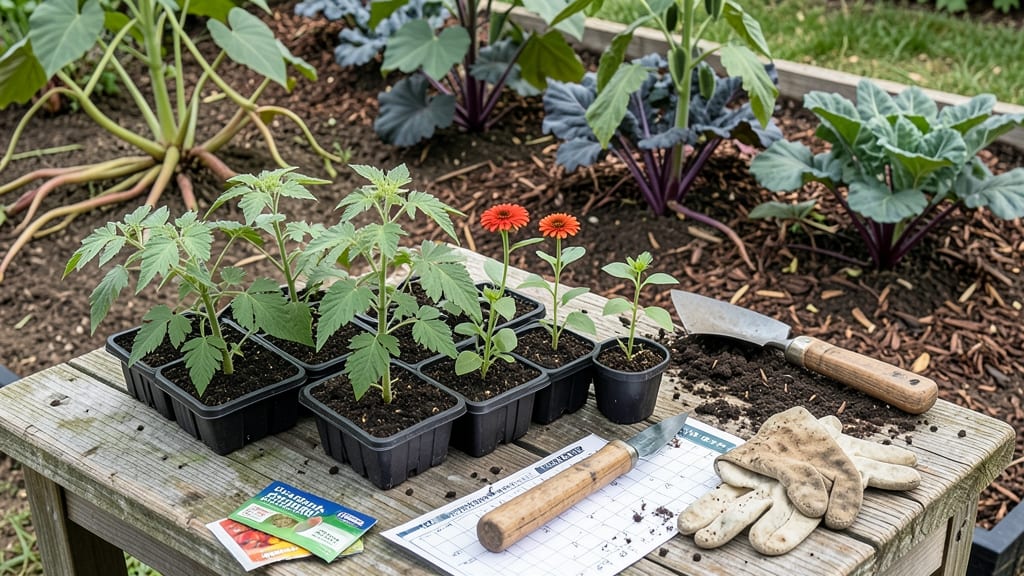
Planting your garden in Georgia at the wrong time can mean the difference between a thriving harvest and a sad, frost-nibbled disappointment. The key isn't just waiting for spring—it's matching your plants to Georgia's unique chill-hour zones and frost-free dates.
Whether you're in the Coastal Plain, Piedmont, or Mountains, timing is everything. I'll show you exactly when to plant everything from tomatoes to azaleas, so you avoid common mistakes like planting too early in colder microclimates or missing critical deadlines.
You'll discover how to use chill-hour charts to pick the perfect planting window for your region, plus pro tips to extend your growing season without risking frost damage. Let's get your garden off to the best possible start.
From soil prep to transplanting deadlines, this guide covers all the essentials for a more reliable and productive garden. Ready to dig in? Let's make this your most successful growing season yet.
Georgia’s planting zones & chill-hour requirements by region
Georgia’s 7 USDA planting zones (4a–8b) create dramatic differences in frost dates and chill-hour needs. While Zone 8b in Savannah enjoys 1,200+ chill-hours, Zone 4a in the mountains may see only 1,500 hours—but with earlier frosts.
These variations dictate when to plant fruit trees, perennials, and cold-hardy vegetables for success.
Chill-hours (the number of hours below 45°F each winter) are critical for dormant-season plants. A peach tree in Zone 7a needs 600–800 chill-hours, while blueberries thrive in Zone 5b with 1,200+ hours.
Planting too early in low-chill zones risks late frosts, while waiting too long in high-chill areas can delay blooms until summer heat arrives.
Use this zone-specific chill-hour chart to match plants to your region. For example, Zone 8a gardeners can plant figs in early spring, but Zone 5a growers should wait until after last frost (typically mid-April) to avoid damage.
Always check your local frost-free date—Georgia’s can vary by 2–4 weeks even between nearby towns.
For cool-season vegetables like broccoli or spinach, plant 6–8 weeks before last frost.
In Zone 4a, that means mid-February, while Zone 8b can start as early as October for fall crops. Warm-season plants (tomatoes, peppers) should wait until soil reaches 60°F, typically mid-April in Zone 7a but March in Zone 8a.
Perennials like hydrangeas and daylilies benefit
Best months to plant vegetables, flowers & trees in Georgia (by type)
Georgia’s diverse climate zones mean your planting calendar should align with local frost dates and soil temperatures. In the Coastal Plain, warm-season crops thrive earlier than in the mountains, where chill-hours delay planting.
For reliable results, I’ve broken down the best times to plant by category—so you can avoid late frosts in March or scorching heat in July.
Timing is everything in Georgia’s 7 USDA zones (4a–8b). Cool-season crops like spinach and kale need to hit the ground by mid-February to early March in Zone 7b, while tomatoes and peppers demand soil temps above 60°F—usually late April to May.
Perennials like azaleas and hydrangeas also have chill-hour requirements that dictate their planting windows.
- 1 Cool-Season Vegetables: Plant lettuce, spinach, and broccoli from mid-February to early March (Zones 7b–8a) or late March to April in cooler mountain zones (Zones 6a–7a). Transplant cabbage and cauliflower by mid-March for fall harvests.
- 2 Warm-Season Vegetables: Wait until soil temps reach 60°F+ (usually late April to May) to plant tomatoes, peppers, and squash. Start indoor seedlings in March for earlier transplants. Avoid planting after June 15 in most zones to prevent bolting.
- 3 Fruit Trees: Plant peach and blueberry trees in late winter (February–March) for established roots before spring growth. Citrus (like meyer lemons) can go in spring (March–April) once frost risk passes. Chill-hour needs (e.g., 400–600 hours for peaches) determine suitability—avoid low-chill varieties in Zone 8b+.
- 4 Perennials & Flowers: Plant azaleas and camellias in fall (October–November) for root establishment before winter. Hydrangeas thrive when planted in spring (March–April) or fall. Annuals like petunias and marigolds can go in after last frost (mid-April to May), while cool-season flowers (e.g., pansies) plant in September–October.
- 5 Transplant Deadlines: Move seedlings outdoors by April 15 (Coastal Plain) or May 1 (mountains). For fall crops, transplant kale and radishes by August 15 to harvest before first frost (November). Bare-root trees must be planted when dormant (December–February).
Pro tip: Use soil thermometers to confirm warm-season crops are planted when temps are ideal. In Zone 7b, I’ve had tomato seedlings wilt when transplanted too early—always wait for consistent 60°F+ soil temps.
For cool-season greens, a light frost actually sweetens flavors like spinach, but avoid heavy frosts that kill plants outright.
Georgia’s fall planting window is shorter than spring, so prioritize fast-maturing varieties like bush beans or turnips for late-season harvests. If you miss the March–April window for perennials, fall planting is your next best bet—just ensure roots establish before ground freezes.
For container gardening, extend seasons by moving pots indoors or to sheltered spots during heatwaves.
Remember: Microclimates matter. A south-facing slope warms up faster than a shady valley, so adjust planting dates accordingly. When in doubt, I recommend checking your local extension office for frost date averages—they’re your best ally for Georgia-specific gardening success. 🌱