
Plants
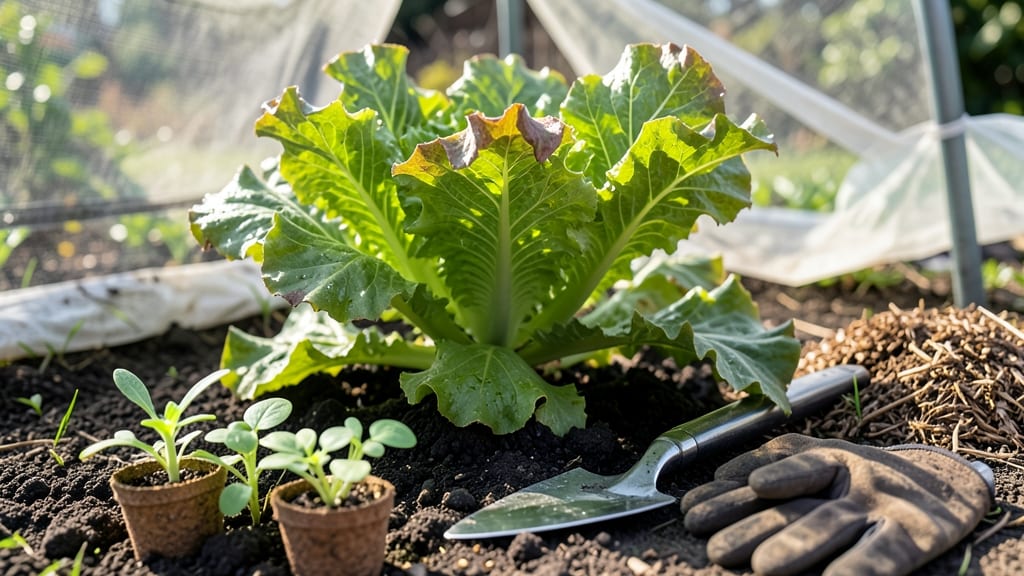
Planting lettuce in Texas isn’t just about throwing seeds in the dirt—it’s about outsmarting the heat and timing your harvests to avoid bitter, bolted greens.
With Texas’ 8a-10b climate, your 🥬 can thrive in fall and spring, but get it wrong, and you’ll end up with sad, wilted leaves by summer.
Most gardeners in Texas know the struggle: plant too early, and the heat sends lettuce racing to flower. Plant too late, and you miss the sweet spot between 50°F and 75°F—the perfect range for crisp, flavorful growth.
The key is starting seeds in September for fall harvests or February for spring, with a few extra tricks to beat the Texas heat.
But here’s the game-changer: even with the right timing, Texas’ alkaline soil and unpredictable weather can throw a wrench in your plans.
I’ll show you how to prep your soil, choose the best varieties for your region, and use shade cloth to stretch your harvests—so you’re eating fresh 🥬 from October through May without the stress.
Ready to grow lettuce that actually lasts? Let’s break down the exact months to plant, the microclimate tweaks for North vs. South Texas, and the simple soil fixes that make all the difference. Your zero-bolt lettuce garden starts here.
Best months to plant lettuce in Texas for zero-bolt harvests
Texas gardeners know lettuce thrives in cool temperatures between 40-75°F, but summer heat sends it bolting faster than a jackrabbit. The key to crisp, flavorful harvests lies in precise seasonal timing and regional adjustments across Texas' diverse microclimates.
Whether you're in North Texas with its chilly winters or the Gulf Coast's mild winters, understanding your local frost dates and heat thresholds is critical.
Lettuce planted in fall or early spring avoids Texas' brutal summer heat, but even then, heat-tolerant varieties and shade strategies extend your harvest window. For example, Romaine and Black Seeded Simpson handle warmer temperatures better than delicate Buttercrunch, making them ideal for Texas gardens.
Let's break down the optimal planting months by region and temperature zones.
| Region | Ideal Planting Months | First Frost Date | Last Frost Date | Heat-Tolerant Varieties | Shade Needs |
|---|---|---|---|---|---|
| North Texas (Panhandle, Amarillo) | September 15 - October 15 March 1 - April 15 |
November 15 - December 15 | January 15 - February 15 | Romaine, Black Seeded Simpson, Oakleaf | 30-50% shade in summer |
| Central Texas (Austin, San Antonio) | August 15 - September 30 February 15 - March 30 |
December 1 - January 15 | January 15 - February 15 | Buttercrunch, Bibb, Jericho | 40-60% shade in summer |
| South Texas (Houston, Corpus Christi) | August 1 - September 15 January 15 - March 15 |
December 15 - January 10 | February 1 - February 15 | Romaine, Summer Crisp, Winter Density | 50-70% shade in summer |
| West Texas (El Paso, Lubbock) | September 1 - October 1 March 15 - April 1 |
November 1 - December 10 | February 1 - February 15 | Black Seeded Simpson, Oakleaf, Red Sails | 30-40% shade in summer |
| East Texas (Tyler, Beaumont) | July 30 - September 15 February 1 - March 15 |
December 10 - January 5 | February 10 - March 1 | Romaine, Buttercrunch, Bibb | 40-50% shade in summer |
In North Texas, where winters can drop below freezing, start seeds indoors in late August for fall transplants or direct-sow in September after soil temperatures drop below 85°F.
The last frost typically hits between January 15 and February 15, so plan your spring planting for March to avoid early heat spikes. Varieties like Black Seeded Simpson handle cooler nights better than others.
Central Texas gardeners have a slightly longer window thanks to milder winters. Begin fall plantings in mid-August and transition to spring plantings by mid-February. The first frost usually arrives in December, but coastal areas may see frost as late as January.
For Central Texas, Jericho lettuce is a top performer due to its heat tolerance and slow bolting in warm conditions.
Gulf Coast regions like Houston and Corpus Christi enjoy the mildest winters in Texas, allowing for year-round lettuce production with proper shade. Start fall crops in early August and spring crops in mid-January.
The Winter Density variety excels here because it resists bolting even when daytime temperatures hover around 80°F. Just remember: shade cloth is non-negotiable in summer.
For West Texas, where daytime temperatures can soar above 100°F even in spring, focus on fall plantings from September to October and spring plantings in March. The Red Sails variety is a favorite because its red-tinged leaves add visual appeal while its heat resistance keeps it productive longer.
Always use 30-40% shade cloth to protect young plants.
East Texas combines humidity with variable temperatures, making
How to extend lettuce growing seasons in Texas heat
Texas summers can turn your lettuce into a sad, bitter memory faster than you can say "heatwave." But with the right strategies, you can trick your lettuce into thinking it's in a cooler climate—even when the thermometer hits 100°F.
The key? Combining shade solutions, soil cooling, and heat-tolerant varieties to keep your greens crisp and delicious.
First, focus on shade cloth, which can drop temperatures by 10-15°F around your plants. A 30-50% shade cloth is ideal—it blocks enough sun to prevent bolting while still allowing light for growth.
Pair this with drip irrigation to keep roots cool and moisture consistent, avoiding the stress of afternoon watering.
- 1. Use 30-50% shade cloth to block midday sun (10 AM–4 PM). Secure it 2-3 feet above plants for airflow.
- 2. Plant heat-tolerant varieties like Romaine or Black Seeded Simpson, which handle 85-90°F better than butterhead.
- 3. Mulch with straw or wood chips to keep soil 5-10°F cooler and retain moisture.
- 4. Succession plant every 2 weeks from September to March for continuous harvests.
- 5. Water deeply in morning (1 inch/week) and avoid wetting leaves to prevent fungal diseases.
For soil cooling, mulch is your best friend. A 3-inch layer of straw or wood chips insulates the soil, keeping roots cool and reducing evaporation. This is especially critical in West Texas, where alkaline soils can bake lettuce roots.
Amend your soil with compost or aged manure before planting to improve moisture retention and fertility.
Don’t forget succession planting—this is how Texas gardeners harvest lettuce year-round. Start your first batch in late August to early September for fall harvests, then plant every 2-3 weeks until early March.
This staggered approach ensures you always have fresh greens, even as temperatures rise. Pair slower-bolting varieties like Romaine with faster growers like Leaf Red for variety.
Finally, monitor your lettuce for signs of stress. If leaves turn yellow or bitter, it’s bolting—pull those plants and focus on shade and water. With these techniques, you’ll enjoy crisp, homegrown lettuce from October through April, even in the heart of Texas heat.
Pro tip: Try growing lettuce in containers on patios or balconies. They heat up faster than in-ground beds, so elevate them with bricks or cinder blocks for better airflow and cooler roots. Happy growing!