
Plants
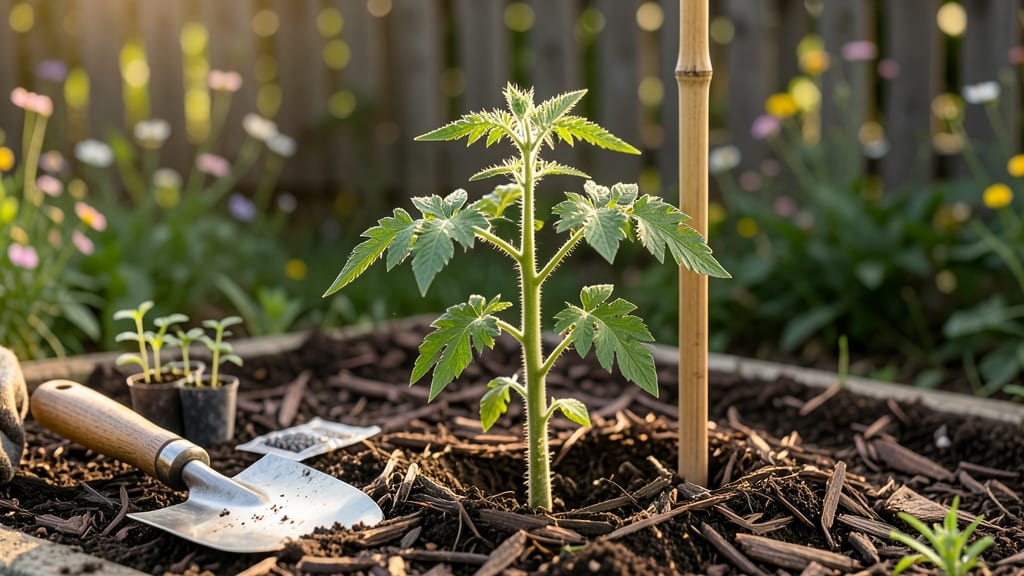
Planting tomatoes in South Carolina at the wrong time can mean the difference between a bountiful harvest and a total loss to frost. With USDA zones 7b-8a and a growing season that stretches from spring to fall, timing is everything for your 🍅 plants to thrive.
Most gardeners in the Palmetto State know that rushing to plant too early—before the last frost—can leave seedlings vulnerable, while waiting too late might cut your harvest short.
The ideal window for transplanting starts in mid-March to early April, when soil temperatures hit 60°F and nighttime lows stay above 50°F.
But what if you want to grow tomatoes from seed instead? Direct sowing works best in late April to early May, giving seedlings enough time to establish roots before summer’s heat sets in. Whether you’re transplanting or starting fresh, understanding your zone’s frost dates is the key to success.
In this guide, I’ll break down the exact planting schedule for your area, plus tips for extending your season and avoiding common mistakes. Let’s get those tomatoes growing the right way!
South Carolina tomato planting dates by USDA hardiness zones (7a-8b)
South Carolina's USDA hardiness zones 7a through 8b create distinct tomato planting windows that can mean the difference between a thriving harvest and a lost crop. In Zone 7a (cooler coastal areas), gardeners face earlier frost risks, while Zone 8b (warmer inland regions) enjoys longer growing seasons.
Understanding these differences helps you time your plantings for maximum yield and flavor.
For all zones, the key is calculating your average last frost date—typically between mid-March and early April—and working backward from there. Tomatoes need warm soil (60°F+) and consistent nighttime temperatures above 50°F to thrive.
Planting too early risks frost damage, while waiting too long may shorten your harvest window.
Here's how each zone differs in planting timing, transplant windows, and ideal varieties to maximize your tomato harvest from June through October:
In Zone 7a, where frost lingers longer, I recommend starting seeds indoors 4-6 weeks before your last frost date—around March 1-15—then transplanting hardened-off seedlings after April 15.
Varieties like Celebrity and Mountain Merit thrive in these cooler conditions and produce early harvests. For added protection, use floating row covers until soil warms completely.
Gardeners in Zone 7b enjoy a slightly longer season, allowing for succession planting every 2-3 weeks from April through May. This technique ensures a continuous harvest by staggering plantings. My go-to varieties here include Solar Fire (heat-tolerant) and Cherokee Purple (heirloom favorite).
Soil temperatures in Zone 7b typically reach 60°F by mid-April, making this the ideal time to transplant.
For Zone 8a, where summers are hotter and frost arrives later, you can push your planting window 2-3 weeks earlier than Zone 7b. Heat-tolerant varieties like HeatMaster and Arkansas Traveler perform exceptionally well here, often producing fruit well into October or November.
I also recommend planting late-season varieties in June for a fall harvest before the first frost.
In the warmest Zone 8b, gardeners have the most flexibility. You can start seeds as early as March 20 or even transplant heat-loving varieties like Heatwave II as late as June 1 for a late-summer harvest.
The key is focusing on disease-resistant varieties that thrive in high humidity. Just be sure to provide adequate airflow and mulch heavily to prevent soil-borne diseases.
Regardless of your zone, always test soil temperature before planting—it should stay above 60°F for at least a week. Use a soil thermometer to avoid common mistakes. In cooler zones, consider black plastic mulch to warm the soil faster and extend your planting window by 10-14 days.
For all zones, harden off seedlings for 7-10 days before transplanting to prevent shock.
Pro tip: Use a planting calendar to track your local frost dates and variety maturity times. Many SC extension offices provide free frost-free date maps tailored to your county. For example, Charleston (Zone 8b) has a 215-day frost-free season, while Greenville (Zone 7b) has about 200 days.
Match your varieties to these windows for the best results.
🌱
How to extend your tomato growing season in South Carolina
South Carolina’s warm climate lets you grow tomatoes almost year-round, but early frosts and late heat waves can still cut your harvest short. The key to a longer tomato season lies in smart timing, protective structures, and variety selection.
By using cold frames, row covers, and succession planting, you can push your growing window by 4-6 weeks in both directions—meaning more tomatoes from spring to fall!
For early spring plantings, start seeds indoors 6-8 weeks before your last frost date (typically mid-March in most of SC). Use heat mats to speed up germination, then transplant hardened-off seedlings into low tunnels or cold frames once soil warms to 60°F.
This lets you set plants out 2-3 weeks earlier than traditional schedules, giving you a jump on the season.
For fall harvests, focus on heat-tolerant varieties like 'Celebrity' or 'Solar Fire' that thrive in late summer’s heat. Pair them with shade cloth (30-50%) to protect blossoms from sunscald when temps exceed 90°F.
Plant a succession crop every 2 weeks from June through July to stagger your harvest into October.
5 Proven Ways to Extend Your Tomato Season in SC
- Cold Frames: Add 2-3 weeks to your spring planting by using unheated cold frames (soil temps rise 5-10°F faster than open ground).
- Row Covers: Floating row covers raise soil temps by 3-5°F and protect against light frosts (down to 28°F).
- Succession Planting: Sow seeds every 2 weeks from April to July for continuous harvests (e.g., 'Early Girl' matures in 60 days).
- Heat-Tolerant Varieties: Choose 'Arkansas Traveler' or 'Heatmaster' for fall plantings—they handle 95°F+ better than standard types.
- Drip Irrigation: Keep soil consistently moist (not soggy) to prevent blossom-end rot and cracking during rapid growth spurts.
Don’t overlook mulching—apply straw or black plastic to retain soil moisture and warmth. This simple step can delay your first fall frost by 1-2 weeks by keeping roots 5-10°F warmer than ambient air.
For coastal SC gardeners, take advantage of microclimates near buildings or fences, where temps stay 3-5°F warmer than open areas.
If you’re ambitious, try container growing with 5-gallon buckets—they warm up faster in spring and can be moved to shaded spots in late summer. Just ensure pots have drainage holes and use lightweight potting mix to prevent root stress.
With these techniques, you’ll enjoy tomatoes from May through November—no more missing out on that first ripe fruit of the season!
Pro tip: Keep a planting journal to track which methods work best in your specific zone. Note soil temps, frost dates, and variety performance to refine your strategy year after year. Happy growing!