
Flowers
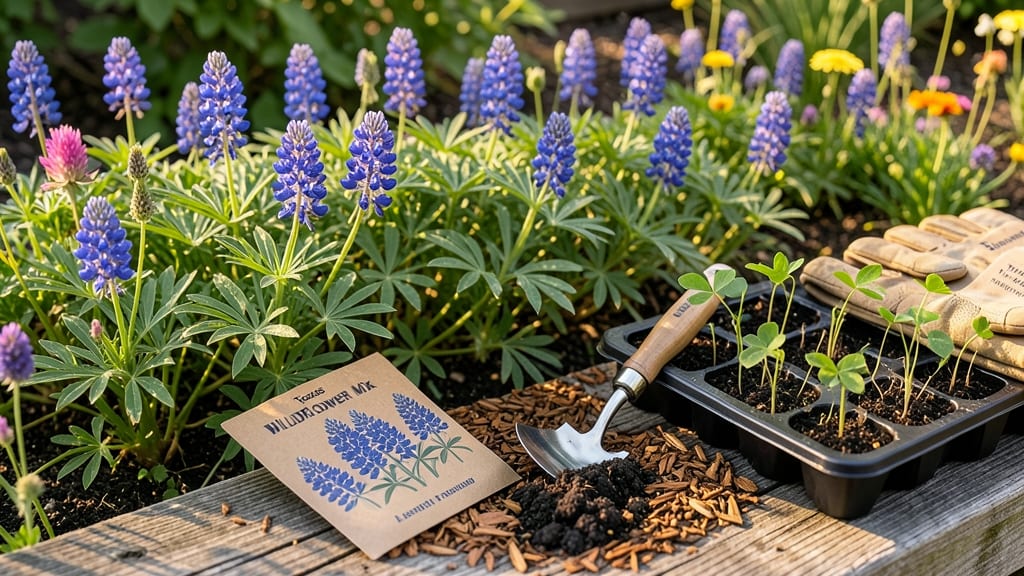
Timing your flower planting in North Texas wrong can mean the difference between a showstopping garden and a sad, wilted mess—especially when summer heat or winter frost plays spoiler. If you’ve ever watched your hard work fade under the relentless 8a zone sun or freeze before blooming, you’re not alone.
North Texas gardeners know the drill: cool-season flowers like pansies thrive when planted by early October, while heat-lovers such as lantana beg to be tucked into the soil by late February. But here’s the catch—skipping these windows means battling either scorching roots or frost-sensitive stems.
I’ll break down the exact months to plant, plus pro tips to beat the region’s wild temperature swings and keep your 🌸 blooms bold all season.
Think you can just toss seeds in the ground whenever? Not in Zone 8a. The key is aligning your planting with North Texas’s last frost dates (November 15–February 15) and avoiding the brutal summer heat.
Whether you’re dreaming of spring bluebonnets or fall mums, this guide gives you the precise deadlines and prep work to turn your garden into a nonstop parade of color.
Ready to stop guessing and start growing? Let’s dive into the season-by-season schedule that’ll have your flowers thriving—no matter what North Texas throws at them.
North Texas flower planting calendar by season: avoid frost and heat shocks
North Texas gardeners face a unique challenge: scorching summers and chilly winters that can shock even the hardiest flowers. The key to success lies in understanding your USDA Zone 8a climate and aligning planting with North Texas's last frost dates (Nov 15–Feb 15).
Plant too early, and your cool-season blooms will crisp in summer heat; too late, and winter’s frost will steal their chance to thrive.
I’ve planted pansies in July only to watch them bolt in 90°F+ heat, and lantana seeds planted in October that never sprouted before winter. These mistakes taught me that seasonal timing is everything.
Below, I’ll break down the ideal planting windows for North Texas’s most popular flowers, including cool-season annuals, heat-loving perennials, and summer favorites that can handle our intense sun.
Pro Tip: Always check your microclimate—shaded areas may tolerate cooler plants longer, while south-facing beds need heat-resistant varieties. Use this calendar as your guide, but adjust for your specific yard conditions.
| Season | Plant Type | Best Planting Months | Avoid Planting If | Key Care Notes |
|---|---|---|---|---|
| Cool Season (Fall) | Pansies, Snapdragons, Sweet Alyssum | September–October | After Nov 15 (frost risk) | Mulch after planting; water deeply 2x/week in fall |
| Cool Season (Spring) | Calendula, Stock, Violas | February–March | Before last frost (Feb 15) | Fertilize with 10-10-10 after sprouting; stake tall varieties |
| Warm Season (Spring) | Lantana, Salvia, Zinnias | March–April | When soil exceeds 65°F | Water at soil level (avoid wetting leaves); deadhead weekly |
| Warm Season (Summer) | Black-Eyed Susans, Coneflowers, Turk’s Cap | April–May | After May 15 (heat stress) | Mulch 3 inches deep; water early morning only |
| Perennials (Fall) | Daylilies, Coreopsis, Russian Sage | September–October | After first frost | Divide clumps every 3–4 years; fertilize in early spring |
For cool-season flowers like pansies and snapdragons, I plant in September–October to give them time to establish roots before winter. These flowers love 50–60°F soil and can handle light frosts, but they’ll bolt in summer heat.
I’ve found that shade cloth over new seedlings helps them survive until cooler temps return in fall.
Warm-season favorites like lantana and salvia thrive when planted in March–April, once the soil warms above 65°F. These plants are drought-tolerant once established, but young seedlings need consistent moisture.
I water mine at the base of the plant in the morning to prevent fungal issues from evening humidity.
Perennials
Top 5 flowers that thrive in North Texas heat (and when to plant them)
North Texas summers can be brutal, with temperatures often soaring past 100°F—but that doesn’t mean your garden has to suffer! The key is choosing heat-tolerant flowers that not only survive but thrive in the intense sun and dry conditions.
These five drought-resistant varieties are perfect for your Zone 8a climate, offering vibrant blooms with minimal fuss once established.
Planting at the right time ensures your flowers establish strong roots before the worst heat arrives. For most heat-lovers, the ideal planting window is late summer to early fall, giving them a head start before winter.
However, some can handle spring planting too—just avoid the peak summer months when soil temperatures can fry tender seedlings.
Soil prep is crucial: amend your beds with compost or aged manure to improve drainage, and always mulch after planting to retain moisture and regulate soil temperature. These flowers also appreciate well-draining soil, so avoid heavy clay unless you’ve amended it properly.
🌡️ Heat-Resistant Flowers for North Texas
-
1. Zinnias
🌞 Planting Time: March–April or September–October
💧 Spacing: 6–12 inches apart
🌱 Bonus: Attracts butterflies; deadhead for continuous blooms -
2. Gaillardia (Blanket Flower)
🌞 Planting Time: February–March or August–September
💧 Spacing: 12–18 inches apart
🌱 Bonus: Thrives in poor soil; drought-tolerant once established -
3. Turk’s Cap (Malvaviscus)
🌞 Planting Time: March–April or September
💧 Spacing: 18–24 inches apart
🌱 Bonus: Evergreen foliage; thrives in full sun or partial shade -
4. Lantana
🌞 Planting Time: March–April or September
💧 Spacing: 12–18 inches apart
🌱 Bonus: Drought-proof; attracts hummingbirds and bees -
5. Salvia (Autumn Sage)
🌞 Planting Time: February–March or August–September
💧 Spacing: 12–18 inches apart
🌱 Bonus: Fragrant foliage; deer-resistant
Once planted, these flowers will reward you with season-long color with minimal maintenance. Focus on deep watering (1–2 times per week) during the hottest months, and avoid overhead watering to prevent fungal issues.
Most of these varieties are annuals, so plan to replant in spring or fall for continuous blooms.
For perennial options, consider adding black-eyed Susan or Mexican feather grass to your landscape—they’ll return year after year with minimal care. Pair these heat-lovers with succulents or ornamental grasses to create a low-water, high-impact garden that thrives in North Texas’s punishing summers.
Pro tip: Start seeds indoors 4–6 weeks before your target planting date to give them a head start. Use seed-starting mix and keep seedlings in a sunny window or under grow lights until soil temperatures stabilize.