
Plants
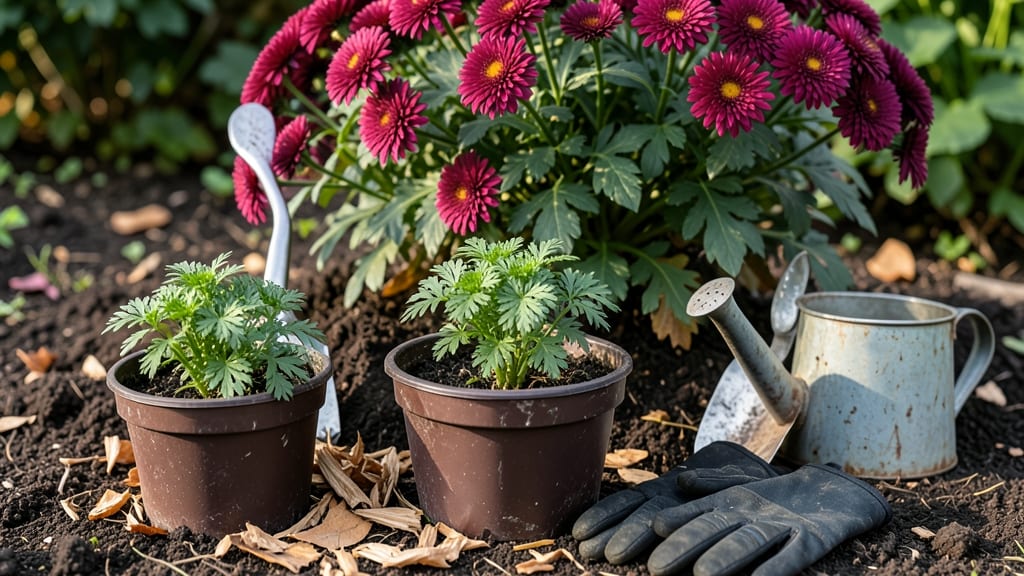
Planting your Fall Mums in the ground 🌼 at the right time means the difference between a showstopping autumn display and sad, weak blooms. The key window? 4-6 weeks before your first frost—but getting that timing wrong can leave your garden looking half-hearted.
If you're in Zone 6a (like many gardeners), that means aiming for late August to early October. But here's the catch: cooler northern climates need to plant earlier, while milder southern zones can wait until October.
Get it wrong, and you might end up with mums that either bolt too soon or struggle to root before winter.
I've helped countless gardeners nail this timing, and the secret isn't just about the calendar—it's about soil temperature, frost dates, and even your local microclimate. Let me walk you through the exact steps to plant your Fall Mums for vibrant, long-lasting blooms that steal the show all season.
Whether you're working with in-ground beds or containers, we'll cover everything from soil prep to post-planting care so your mums thrive. Ready to turn your fall garden into a colorful masterpiece? Let's get started.
Exact planting weeks for fall mums by USDA hardiness Zone
Timing your fall mums correctly ensures vibrant blooms next season, not weak stems or frost damage. The key is planting 4-6 weeks before your first frost, but exact weeks vary by USDA zone.
In colder zones (3-5), aim for early September to give roots time to establish before winter. Warmer zones (8-10) can plant later—even early November—but soil temps matter most.
Soil temperatures below 50°F (10°C) slow root growth, so test your soil with a thermometer. If temps dip too fast, use mulch or row covers to protect young plants.
My Zone 6a garden thrives when planted in late August to early September, but I’ve seen neighbors in Zone 7 plant as late as October with success—though their blooms arrive slightly later.
Here’s the breakdown by zone, including frost risk and ideal soil temps for root establishment:
| USDA Zone | First Frost Date | Exact Planting Window | Soil Temp for Planting | Frost Risk | Notes |
|---|---|---|---|---|---|
| Zones 3-4 | Mid-September | Late July to early August | 55-65°F (13-18°C) | High (plant early!) | Use row covers if frost threatens early. |
| Zones 5-6 | Late September | Late August to early September | 50-60°F (10-15°C) | Moderate | Mulch heavily after planting to insulate roots. |
| Zones 7-8 | Mid-October | Early to mid-September | 55-65°F (13-18°C) | Low | Can plant up to early November in Zone 8. |
| Zones 9-10 | Late November | Late September to early October | 60-70°F (15-21°C) | Very Low | Some varieties bloom year-round in mild winters. |
In Zones 3-4, I’ve learned the hard way that planting after early August risks premature dormancy before roots establish. Last year, my Autumn Joy mums in Zone 4 barely survived after a 32°F (0°C) snap in early September.
Since then, I’ve started 6 weeks earlier and used black plastic mulch to retain heat.
For Zones 7-10, the window is more flexible, but don’t wait too long. My friend in Zone 9 planted hers in early November one year, and while they bloomed, the stems were thinner and leggier than usual.
The sweet spot? Late September for her area—just before soil temps drop below 60°F (15°C).
Pro tip: Check your local Almanac’s frost dates and count backward 6 weeks. If your zone isn’t listed, err on the earlier side. For example, Zone 6b (colder than 6a) should follow Zone 5 guidelines.
And if you’re unsure, test soil temps with a thermometer—roots need consistent warmth to thrive.
One more thing: Container-grown mums can handle slightly later planting than bare-root ones. If you’re buying potted plants in October, they’ll often bloom that same season, but for next year’s best display, stick to the zone-specific windows above. Your fall color show will thank you!
🌼
How to adjust planting time for early frost or late summers
When fall mums refuse to bloom or wilt under early frost, it’s often a timing issue. Adjusting your planting schedule can make all the difference between vibrant fall color and disappointment. If your area experiences early frost or unusually late summers, you’ll need to shift your planting window strategically.
For northern climates with early frost, push planting dates earlier—even into late August—to give roots time to establish. In southern regions with late summers, you might extend planting into early November, but only if frost isn’t imminent. The key is balancing root establishment with frost risk.
⚠️ WARNING: Planting Too Late or Too Early ⚠️
Signs your fall mums are struggling from poor timing include yellowing leaves, stunted growth, or buds that fail to open. These often mean the plant didn’t establish roots before cold stress set in.
To fix this, amend soil with compost before planting and use a slow-release fertilizer to boost early growth.
To extend the blooming season, apply a 3-inch layer of mulch around plants after planting. This insulates roots, keeping soil warmer longer and delaying dormancy. For extra protection, use floating row covers in late fall to shield blooms from light frost (down to 25°F).
Remove covers during the day to prevent overheating.
If you missed the ideal window, try container planting. Pots can be moved to sheltered spots or brought indoors before frost. Choose compact varieties like 'Pembroke' or 'Autumn Joy' for better adaptability. Just ensure containers have drainage holes to prevent root rot in cooler weather.
For next year’s success, mark your calendar based on your last frost date and adjust planting by 4-6 weeks earlier if frost arrives early. With these tweaks, your fall mums will thrive even in unpredictable climates. 🌼