
Plants
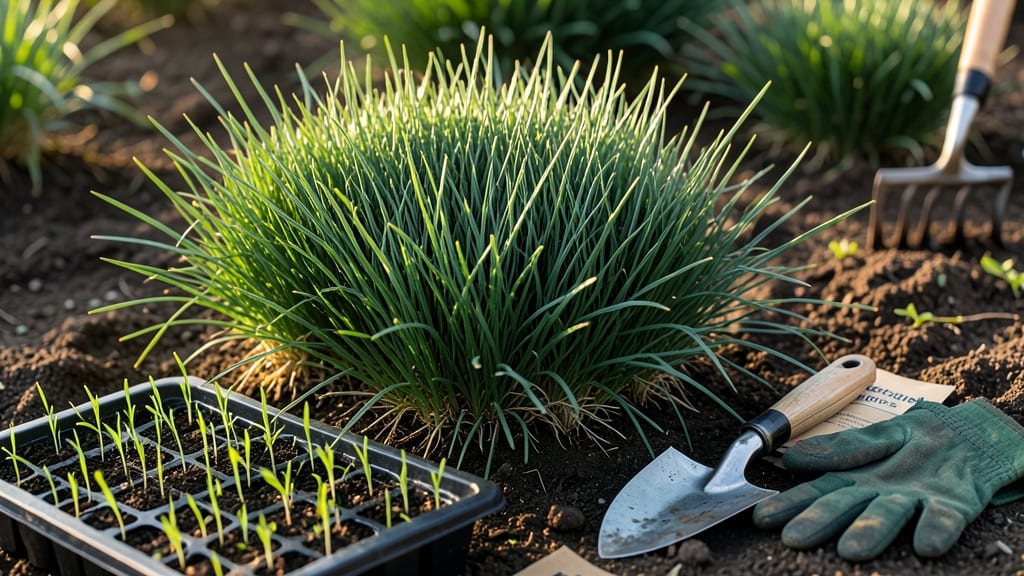
Planting fescue in North Texas at the wrong time can leave your lawn looking patchy or struggling to take root—especially when summer heat or early frosts sneak up.
The ideal window isn’t just about months; it’s about catching that sweet spot between soil warmth and cooler temperatures that help fescue 🌱 thrive.
Most gardeners here swear by fall planting, but did you know spring can also work if you time it right? I’ve seen firsthand how a late August start gives fescue 6-8 weeks to establish strong roots before winter sets in—critical for surviving our 7b-8a zone winters.
But rush it, and you risk weak growth or even frost damage.
What’s the secret? It’s not just about the calendar—it’s about reading your yard’s signals. Too early, and the heat zaps moisture; too late, and the grass won’t have time to anchor before cold hits.
I’ll break down the exact months that work best, plus how to prep your soil and water like a pro to give your fescue the fighting chance it needs.
Whether you’re seeding a new lawn or overseeding an old one, nailing the timing can mean the difference between a thick, green carpet and a brown, thin mess. Let’s get your fescue off to the right start—no guesswork, just results.
Best months to plant fescue in North Texas for optimal root establishment
North Texas gardeners know fall planting is the golden window for cool-season grasses like fescue. The ideal window spans from late August through early November, when soil temperatures hover between 60°F and 75°F—perfect for seed germination.
Planting too early risks frost damage, while waiting too late may leave your lawn vulnerable to summer heat stress before roots establish.
This timing aligns with North Texas’ USDA Zones 7b-8a, where the first frost typically arrives around mid-November. By planting 4-6 weeks before frost, your fescue seeds get 6-8 weeks of warm soil to sprout and develop a 3-4 inch root system before winter dormancy.
That’s the difference between a thin, patchy lawn and a dense, resilient turf.
Here’s how the optimal planting window breaks down by month for Dallas, Fort Worth, and Waco—with key thresholds to watch:
Notice how September stands out as the peak month—this is when soil warmth and frost risk create the perfect balance. Dallas and Fort Worth typically see consistent 65-75°F soils during this time, while Waco’s slightly hotter microclimate may extend the window into early October.
Use a soil thermometer to confirm temps before planting; aim for 60°F+ for 5+ days to ensure germination.
Microclimates matter in North Texas. Elevated areas like Lake Travis or the Hill Country may experience frost 1-2 weeks earlier than urban centers. Adjust your planting by 1-2 weeks later if you’re in these zones.
Conversely, heat islands in downtown Dallas can keep soils warm longer—plant 1 week earlier if your yard stays unusually hot.
Spring planting is possible (March-April), but it’s riskier. Seeds compete with weeds and summer heat, and establishment takes longer. If you must plant in spring, use a shade cloth to protect seedlings from 100°F+ temps and water daily for the first 3 weeks.
Fall planting gives your fescue a 6-month head start before summer stress hits.
Pro tip: Overseed in early fall (late August) for instant color and weed suppression. Many North Texas gardeners use this strategy to thicken bare spots in existing lawns.
Just remember—seed-to-germination takes 7-21 days, so plant early enough to see results before holiday crowds or winter chill slows growth.
Watch for unpredictable October rains, which can wash away seeds. If rain is forecast, plant 2-3 days before or use a starter fertilizer with hydro-mulch to hold seeds in place. A light mulch layer (like straw) also helps retain moisture without smothering sprouts.
By following these month-specific guidelines, your fescue will establish strong roots before winter, giving you a greener, healthier lawn next spring. The key? Plant in September, prepare your soil well, and keep it consistently moist—no shortcuts!
How to prepare your North Texas lawn for fescue planting success
Preparing your North Texas lawn for fescue planting requires careful attention to soil conditions, weed control, and seedbed preparation. Fescue thrives in USDA Zones 7b-8a, but without proper prep, your seeds may struggle to germinate in our unpredictable spring rains and summer droughts.
Let’s break down the essential steps to create the perfect foundation for your new lawn.
First, test your soil pH—fescue prefers a neutral range of 6.0 to 7.0.
North Texas soils often lean alkaline, so you may need to amend with sulfur or peat moss to lower the pH. A simple home soil test kit or lab analysis will give you precise results before planting. This step alone can double your germination success rate.
⚠️ callout warning ⚠️
North Texas summers (June-August) bring soil temperatures above 85°F, which can kill fescue seeds before germination. Similarly, spring downpours (March-April) can wash seeds away or cause soil compaction. Aim for fall planting (September-October) when temps are 60-75°F and rains are moderate.
🌱 Pro Tip: If planting in early spring (March-April), use seed blankets or mulch to protect seeds from wind and erosion.
Next, tackle weed competition—fescue seedlings are no match for established weeds. Use a pre-emergent herbicide like pendimethalin 4-6 weeks before planting, or opt for manual removal (hand-pulling or spot-treating with vinegar-based sprays). For organic gardeners, corn gluten meal is an excellent pre-planting weed preventer.
When preparing the seedbed, choose between tilling and no-till methods. Tilling loosens compacted clay soils common in North Texas but can disrupt soil microbes. For a no-till approach, use a broadfork to aerate the top 4-6 inches without flipping soil.
Both methods should leave a smooth, firm surface for even seed-to-soil contact.
Finally, establish a watering schedule to maximize germination. Fescue seeds need consistent moisture but not soggy soil. Water lightly 2-3 times daily (morning, noon, and evening) for the first 2 weeks, then taper to deep watering 2-3 times weekly.
Use a rain gauge to ensure 1 inch of water per week—North Texas’ evaporative climate demands frequent checks.
With these steps, your fescue will establish deep roots before winter, outlasting summer droughts and competing weeds. Start prepping your lawn now—your future green carpet will thank you! 🌱