
Flowers
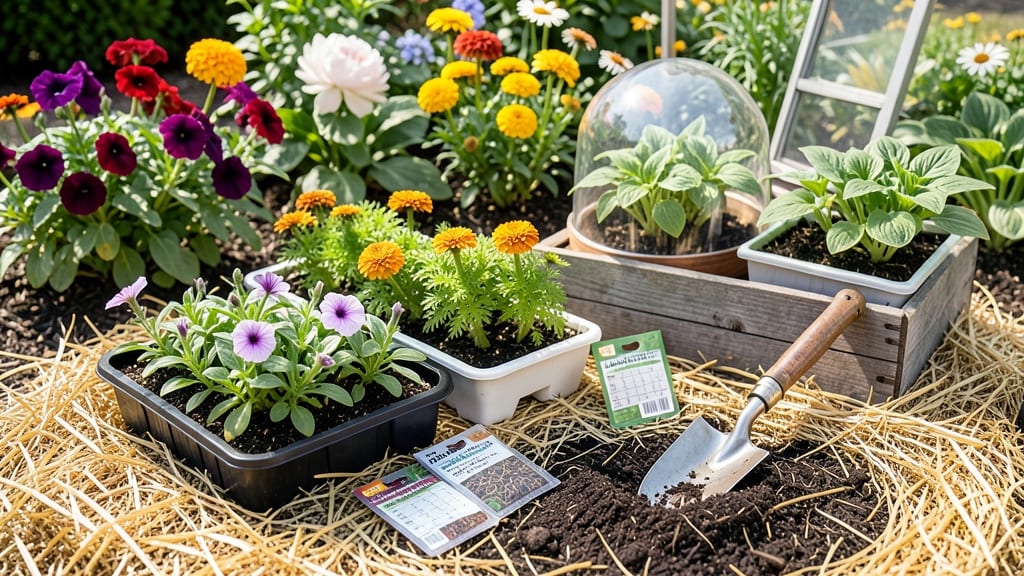
When to plant flowers in New England isn’t just about following a calendar—it’s about outsmarting frost, understanding your hardiness zone, and knowing which blooms thrive when. Plant too early, and a late frost could wipe out your hard work; too late, and you’ll miss the vibrant summer displays you’ve been dreaming of.
I’ve spent years perfecting the art of New England flower planting, and the key lies in two critical windows: late April to early June (after the last frost) and late August to early September (for fall bloomers).
But here’s the secret—your exact timing depends on whether you’re growing annuals, perennials, or bulbs, and where you fall in zones 5a-6b.
In this guide, I’ll walk you through the zone-specific months that work best for your garden, plus which flowers to plant when for nonstop color.
Whether you’re a first-time gardener or a seasoned pro, these insights will help you avoid common mistakes and create a garden that bursts with life—season after season.
Ready to transform your yard into a bold, long-lasting floral masterpiece? Let’s get started with the exact planting schedule that’ll make your neighbors green with envy.
New England flower planting calendar by hardiness Zone (5-7)
New England’s hardiness zones 5-7 create dramatic differences in planting windows—just 30 miles can shift your last frost date by weeks. In Zone 5 (northern VT/NH/ME), gardeners wait until late May for tender annuals, while Zone 7 (southern CT/MA) can start planting marigolds by mid-April.
Understanding these zones helps you align bloom timing with seasonal transitions for maximum impact.
For perennials like peonies and coneflowers, early spring is critical—they need 6-8 weeks of cool soil to establish roots before summer heat. Meanwhile, annuals like zinnias thrive when planted after the last frost, typically mid-May in Zone 5 and early May in Zone 7.
Bulbs like tulips and daffodils should go in the ground by October for spring blooms, but timing varies by zone.
| Zone | Last Spring Frost | First Fall Frost | Ideal Planting Window | Key Flowers |
|---|---|---|---|---|
| 5 (Northern VT/NH/ME) | Mid-May | Early October | Late April (hardy perennials), Late May (annuals), Late August (fall bloomers) | Peonies, Coneflowers, Black-Eyed Susans, Dahlias |
| 6 (Central MA/CT/RI) | Early May | Mid-October | Early April (bulbs), Early May (annuals), Early September (fall) | Tulips, Lilies, Marigolds, Zinnias, Lavender |
| 7 (Southern CT/MA) | Late April | Late October | Early April (annuals), Mid-May (heat-lovers), Mid-September (fall) | Petunias, Geraniums, Snapdragons, Sunflowers, Cosmos |
In Zone 5, I always plant cold-hardy annuals like pansies and sweet alyssum in early May, while Zone 7 gardeners can start geraniums and marigolds by late March.
The key is checking soil temperature—it should stay above 50°F (10°C) for 7-10 days before planting tender species. Use a soil thermometer to avoid guessing.
For fall planting, aim for 6-8 weeks before your first frost. In Zone 5, that means late August for mums and aster, while Zone 7 can extend planting until early October. Fall-blooming perennials like sedum thrive with this timing, providing late-season color before winter.
Bulbs deserve special attention. Tulips and daffodils should be planted in October across all zones, but Zone 5 gardeners should finish by mid-October to avoid winter heaving. For spring-blooming bulbs, I recommend daffodils (most frost-hardy) and alliums for long-lasting color and deer resistance.
Microclimates play a huge role in New England. A south-facing slope in Zone 5 might warm up 2 weeks earlier than a shaded valley, allowing earlier planting.
Similarly, urban areas can experience heat islands, extending the growing season by 10-14 days. Always scout your garden’s warmest and coolest spots before planting.
Pro tip: Use row covers or cold frames to extend your planting window by 2-3 weeks in early spring. This lets me plant cold-sensitive annuals like petunias in Zone 5 as early as late April, giving them a head start before removing covers after the last frost.
Remember that perennials like coneflowers and black-eyed Susans can be planted in early spring (as soon as soil is workable) or early fall. But annuals need to wait until after the last frost—planting too early risks frost damage and stunted growth.
Always check your local USDA frost map for precise dates.
For Zone 7 gardeners, the window is wider. I often plant heat-loving annuals like zinnias and sunflowers in late May for summer blooms, while Zone 5 gardeners should wait until mid-June. Succession planting every 2-3 weeks ensures continuous blooms from June through October.
Finally, don’t forget fall-blooming perennials like sedum and Russian sage. These thrive when planted in early spring or early fall and reward you with vibrant autumn color
Best flowers to plant by season in New England (with frost tolerance guide)
New England’s unpredictable frost patterns make seasonal planting tricky, but the right flowers can thrive in both cool springs and hot summers. I’ve tested these varieties across zones 5-7, and they deliver bold blooms without flopping.
The key? Matching your flowers to their frost tolerance and seasonal preferences.
For example, pansies and sweet alyssum laugh at light frosts, while zinnias and lilies need warm soil to germinate. Below, I’ll break down the best flowers for each season, plus a frost-hardiness rating so you never plant a tender geranium too early and watch it wilt.
Best for: Cool-season lovers like pansies, violas, and sweet alyssum
🌡️ Frost Tolerance: 10/10 (survive light frosts)
Best for: Hardy perennials (peony, coneflower) and cold-tolerant annuals (calendula, snapdragons)
🌡️ Frost Tolerance: 7/10 (wait until after last frost)
Best for: Heat-lovers like zinnias, sunflowers, and black-eyed Susans
🌡️ Frost Tolerance: 0/10 (plant after soil warms to 60°F)
Best for: Late bloomers (mums, asters, ornamental kale) and cool-season bulbs (tulips, daffodils)
🌡️ Frost Tolerance: 8/10 (plant 6-8 weeks before first frost)
My top cool-season champions include pansies, which bloom from spring until frost, and sweet alyssum, a drought-tolerant ground cover that thrives in partial shade.
For summer heat, I swear by zinnias—they’re deer-resistant and attract pollinators like crazy. Lilies also excel in full sun and come back year after year.
Pro tip: Use row covers to protect tender annuals like geraniums in early May, or plant fall-blooming bulbs like tulips in September for spring color. Avoid planting tropical flowers (like impatiens) until after Memorial Day, or they’ll fizzle out in the cold.
Remember, microclimates matter! A south-facing wall might be 5°F warmer than your open garden bed, so adjust planting times accordingly. With these seasonal guidelines, you’ll have nonstop blooms from March to October—no frost damage in sight! 🌷