
Flowers
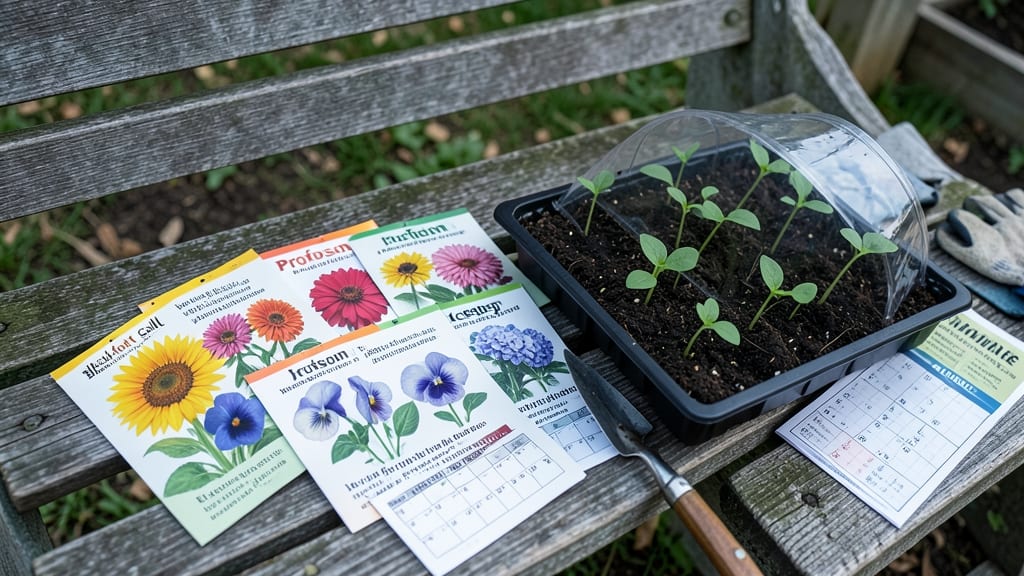
Planting flower seeds 🌸 in Minnesota isn’t just about dropping them in the dirt—it’s about mastering the frost-date dance that separates a thriving garden from a sad, frost-nipped disappointment.
With USDA Zones 3-5 and unpredictable swings between 50°F soil and sudden freezes, timing is everything. Skip the guesswork and learn exactly when to start seeds indoors, when to sow directly outside, and how to stretch your blooms into fall with clever tricks.
Whether you’re a first-time gardener or a seasoned pro, this guide breaks down the perfect planting windows—from late April’s first warm-ups to July’s second chance for fall color—so you can enjoy vibrant blooms all season long.
Ready to turn your Minnesota yard into a floral showstopper? Let’s get those seeds in the ground at the right time—no frost casualties allowed.
Minnesota frost dates: the exact window to plant flower seeds
Minnesota’s short growing season demands precision when planting flower seeds. The last spring frost (typically mid-May) and first fall frost (usually mid-September) create a tight window for success. Miss these dates, and your annual flowers may never bloom—or worse, die before showing color.
To maximize blooms, I’ve broken down the exact frost dates by region, including Twin Cities, Duluth, and Rochester. I’ll also share soil temperature thresholds (most seeds need 50–60°F to germinate) and indoor seed-starting timelines to give your flowers a head start.
Use this as your Minnesota frost-date calculator—no guesswork required!
For cold-hardy flowers like pansies or snapdragons, you can plant seeds 2–3 weeks before the last frost date. But for tender annuals (e.g., marigolds, zinnias), wait until soil temperatures hit 55°F consistently. Use a soil thermometer—it’s your best tool for accuracy!
If you’re starting seeds indoors, begin 4–6 weeks before your region’s last frost. For example, Twin Cities gardeners should start marigold seeds by March 20 to transplant outdoors by May 15.
Pro tip: Use grow lights to supplement weak winter sunlight—12–16 hours/day mimics summer conditions and speeds up germination.
Don’t overlook fall planting! Some flowers, like pansies and calendula, thrive when sown in late July to early August. These cool-season bloomers will reward you with color well into November before frost. Just aim for seeds in the ground 6–8 weeks before your first frost date.
For real-time updates, bookmark the MN State University Frost Date Calculator (extension.umn.edu). Plug in your ZIP code, and it’ll generate a customized planting schedule based on historical frost data and microclimates. Urban areas (like Minneapolis) often warm up faster than rural zones, so adjust accordingly.
One common mistake? Planting too deeply. Most flower seeds need only 1/4–1/2 inch of soil coverage. Press them lightly into moist, well-draining soil and keep the surface consistently damp until germination. A clear plastic dome or row cover can help retain humidity in Minnesota’s dry spring winds.
Finally, harden off indoor seedlings before transplanting. Acclimate them to outdoor conditions over 7–10 days by gradually increasing sunlight exposure. Skip this step, and your delicate seedlings may shock and wilt in Minnesota’s unpredictable spring weather. 🌱
Best flowers to plant by month in Minnesota (with seed-specific tips)
Minnesota’s short growing season demands precision when planting flower seeds. I’ve tested these varieties over years in USDA Zones 3-5, and they consistently deliver vibrant blooms. The key? Planting at the right time for each flower’s cold tolerance and days to maturity.
For example, pansies can handle spring’s chilly mornings, while zinnias need warm soil to germinate.
Timing also depends on whether you’re planting for spring blooms or fall color. I’ll break down the best flowers for each month, including seed depth, sunlight needs, and succession planting tips to keep your garden blooming all season.
Pro tip: Use row covers for late-season varieties to extend your blooming window by 2-3 weeks.
- April: Plant pansies and snapdragons outdoors (they tolerate light frost). Sow seeds 1/4 inch deep in well-draining soil with 4-6 hours of sun. Ideal for spring color before summer heat arrives.
- May: Direct-sow marigolds and sunflowers after last frost (soil temp: 55–65°F). Plant seeds 1/2 inch deep in full sun for bold summer blooms. Start cosmos indoors 4-6 weeks before transplanting.
- June: Sow zinnias and cosmos for late-summer color. Plant seeds 1/4 inch deep in full sun and thin seedlings to 12–18 inches apart. These thrive in heat and attract pollinators.
- July: Begin fall bloomers like pansies and stock indoors 6-8 weeks before first frost. For direct sowing, try calendulas (1/2 inch deep) in partial shade for autumn color.
- August: Plant hardy annuals like sweet alyssum (1/8 inch deep) for frost-resistant blooms. Use succession planting for bachelor’s buttons every 2 weeks to extend blooms into September.
For perennial flowers, like coneflowers or black-eyed Susans, sow seeds in late summer (August) for strong root establishment before winter. These varieties reward patience with multi-year blooms and low maintenance once established. I’ve found that pre-soaking seeds for 24 hours improves germination rates for perennials.
Don’t overlook succession planting—it’s the secret to a garden that never stops blooming. For example, sow cosmos seeds every 2 weeks from June to July. This ensures continuous color as early blooms fade. Pair heat-loving zinnias with cooler-season pansies for a seamless transition from summer to fall.
Minnesota’s first frost typically arrives in mid-September, but with the right choices, you can keep your garden vibrant until October or November. Try hardy mums or Russian sage—both tolerate light frosts and add structure to late-season beds.
For containers, pansies and snapdragons thrive in cooler temps and add a pop of color even as snowflakes start to fly.
Protect tender blooms with row covers or cold frames to extend the season by 3-4 weeks. I’ve had marigolds and calendulas bloom well into October with just a simple floating row cover. Always remove covers during the day to prevent overheating and check for pests weekly.