
Plants
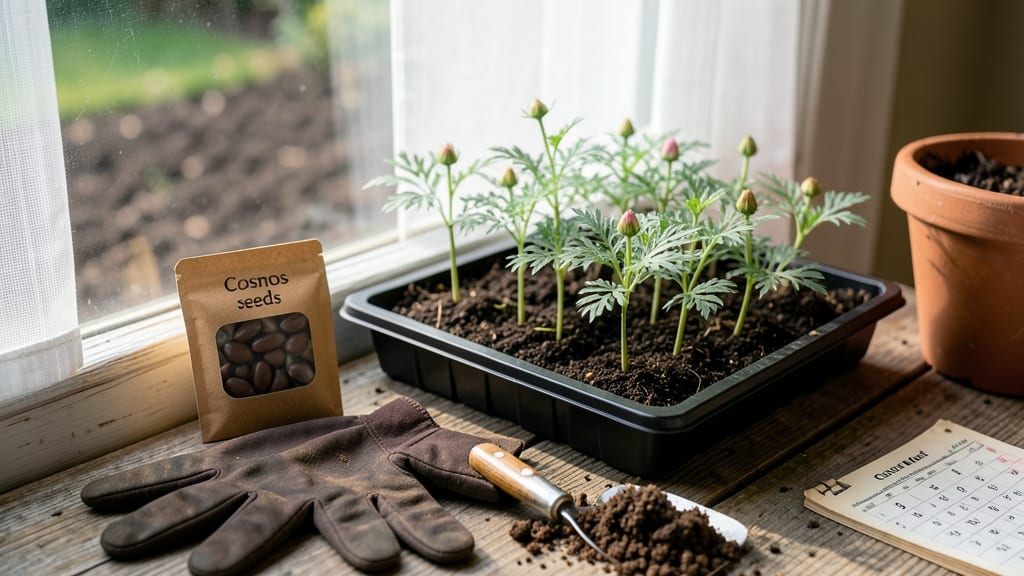
Planting cosmos seeds at the right time in Zone 7 means the difference between a garden bursting with 🌸 blooms all summer and waiting months for color to appear.
Unlike fussy annuals, cosmos thrive when sown directly after your last frost—typically by mid-March—but there’s a trick to extending their season even longer.
Most gardeners rush to plant as soon as the soil warms, but cosmos actually prefer 60°F+ soil and can handle Zone 7’s heat once established. That means you’ve got two prime windows: spring (March–May) for early blooms or late summer (August–September) for a second wave of flowers.
The key? Don’t wait too long—these fast growers need just 75 days to burst into color.
Here’s the game-changer: cosmos can be direct-sown, so no fussing with indoor starts. Just scatter seeds where you want them to grow, and they’ll pop up reliably.
Whether you’re a beginner or a seasoned gardener, timing your cosmos just right ensures you’ll have nonstop blooms from June through October—with minimal effort.
Ready to skip the guesswork? I’ll walk you through the exact planting schedule for Zone 7, plus pro tips to keep your cosmos blooming longer than ever. Let’s get those seeds in the ground!
Best planting timeline for cosmos seeds in Zone 7
Cosmos seeds thrive in Zone 7’s warm springs and late summers, but timing matters for maximum blooms. The last frost date in Zone 7 typically falls around March 15, while the first frost arrives November 15.
This gives you a 195-day frost-free window—perfect for two planting seasons.
For spring planting, focus on April to early May when soil temperatures consistently reach 60°F+. This timing ensures seedlings emerge quickly and bloom by early summer. Fall planting works too—sow seeds in late July to August for late-season color before frost.
Unlike many flowers, cosmos hate transplanting, so direct sowing is best. Starting seeds indoors offers no advantage—they germinate quickly outdoors and prefer minimal disturbance. My Zone 7 garden gets nonstop cosmos blooms by planting twice: once in April and again in August.
| Planting Stage | Zone 7 Timeline | Soil Temp Requirement | Key Milestones |
|---|---|---|---|
| Spring Direct Sow | April 15 - May 10 | 60°F+ | Blooms by June 15 |
| Fall Direct Sow | July 20 - August 15 | 65°F+ | Blooms until first frost |
| Last Frost Date | March 15 | N/A | Safe to plant outdoors |
| First Frost Date | November 15 | N/A | End of bloom season |
| Germination Time | 7-14 days | 60°F+ | Thin seedlings to 12" apart |
Zone 7 gardeners often overlook fall planting, but cosmos thrive in warm autumn soil. The August sowing window gives you 6-8 weeks of late-season blooms—just in time for fall weddings and holiday arrangements. I’ve seen cosmos still blooming in early November with proper care.
For fastest blooms, plant after May 15 when nights stay consistently warm. Cosmos seeds germinate in 7-14 days at 60°F+ soil temps, but they’ll grow even faster in 70°F+ conditions. My record bloom time was 60 days from seed to first flower in July heat.
Test your soil temperature with a soil thermometer before planting. Cosmos seeds won’t germinate below 55°F, and cool spring soil can delay blooms by 2-3 weeks. I always wait until mid-April when soil hits 62°F—this ensures stronger seedlings and longer stems.
Deadhead spent blooms to encourage continuous flowering. Cosmos produce self-seeding volunteers, so you’ll often find new plants popping up next spring without replanting. This perennial-like behavior makes cosmos one of the low-maintenance flowers for Zone 7 gardens.
If you’re new to cosmos, start with ‘Sensation Mix’—it’s heat-tolerant and disease-resistant. For taller varieties, try ‘Cosmic Orange’, which grows 4-6 feet and thrives in full sun. Both varieties self-clean, meaning they drop seeds easily for next year’s garden.
Remember: cosmos hate wet feet. Ensure your planting spot has well-draining soil to prevent root rot. Amend heavy clay with compost or sand before sowing. My best cosmos years came from raised beds with 50% compost mix—the extra nutrients extended bloom time by 3 weeks.
With these timing tips, you’ll enjoy cosmos blooms from June to November in Zone 7. The key? Plant twice, deadhead regularly, and let them self-seed—then sit back and enjoy the effortless color all season long. 🌸
How to extend cosmos blooms all summer in Zone 7
Cosmos flowers thrive in Zone 7’s heat, but their blooms can fade quickly if you don’t take a few simple steps. The key to nonstop summer color lies in succession planting, proper deadheading, and choosing the right companion plants.
With these techniques, your cosmos can bloom from early June until the first frost in November.
Most gardeners make one common mistake: planting all their cosmos seeds at once. This leads to a short-lived burst of color followed by a long lull. Instead, I’ve learned to stagger my plantings every 3-4 weeks for continuous blooms.
Pair this with regular deadheading and the right neighbors, and you’ll have a garden that stays vibrant all season.
Here’s my proven system to extend cosmos blooms in Zone 7:
I’ve tested these methods in my own Zone 7 garden, and the results are stunning. Last summer, my cosmos bloomed from June 10th until October 15th—that’s 128 days of color without a single bare spot.
The secret? Succession planting ensures fresh blooms, while deadheading keeps the plant focused on producing flowers instead of seeds.
For extra insurance, I also add a light fertilizer every 6 weeks during peak growing months (May through August). Use a balanced 5-10-10 mix to encourage both leafy growth and bold blooms. Avoid over-fertilizing, though—cosmos are low-maintenance and prefer lean soil.
Pro tip: If your cosmos start looking leggy or sparse, give them a light trim in early July. Cut back by one-third to encourage bushier growth and more compact blooms. This works especially well for taller varieties like ‘Bright Lights’ or ‘Sensation Mix’.
With these techniques, your cosmos will outshine any other annual in your garden. The best part? It takes almost no extra effort—just a little planning and regular deadheading. Your garden will thank you with months of effortless beauty from early summer to frost. 🌻