
Plants
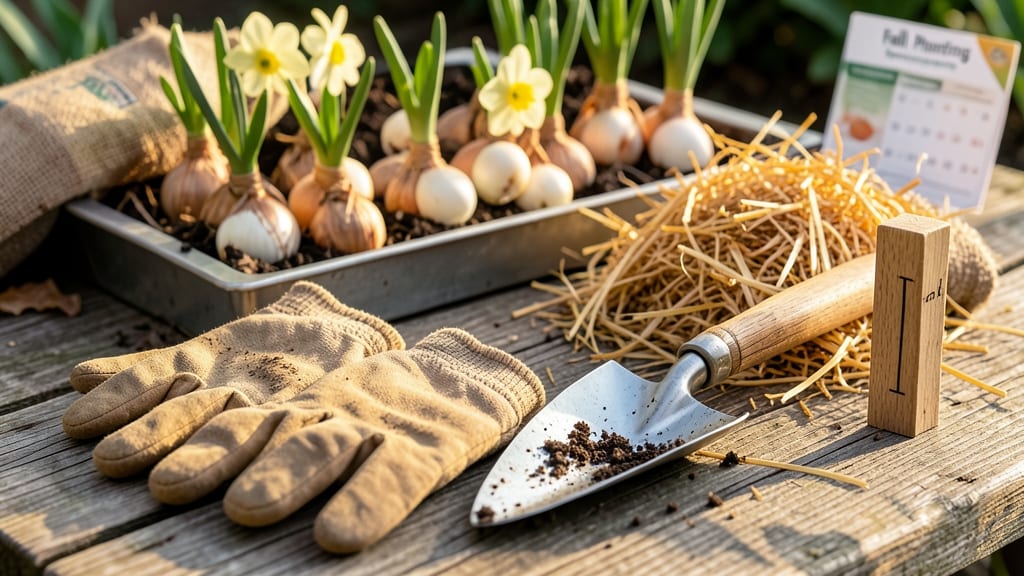
Planting daffodils in Massachusetts at the wrong time can mean the difference between a stunning spring display and wasted bulbs. The key to success lies in understanding your zone's frost dates and soil conditions—especially in Zone 6a—where timing must be precise to avoid rot or missed blooms.
Most gardeners in Massachusetts know fall is the ideal window, but exactly when? I’ll break down the perfect schedule for planting 🌼 daffodils between October and November, so you can avoid common mistakes and ensure your bulbs thrive.
Whether you're in Boston or Worcester, these tips will help you plant with confidence.
What happens if you plant too early or too late? I’ll explain how soil temperature and frost play a role, plus how to adjust for Massachusetts’ unpredictable weather. By the end, you’ll know exactly when to dig in those bulbs for a showstopping spring garden.
Ready to transform your yard? Let’s dive into the best months, soil prep, and pro tips to make your daffodils the envy of the neighborhood. Your spring blooms will thank you!
Best planting months for daffodils in Massachusetts (Zone 5-6)
Daffodils are one of the first signs of spring in Massachusetts, but their success starts with fall planting. In Zone 5-6, timing is critical—bulbs need 6-8 weeks to establish roots before winter. Plant too early, and they’ll rot; too late, and they’ll miss the frost window.
The ideal window is mid-October to early November, but regional microclimates in Boston, Worcester, and coastal areas can shift that by 2-3 weeks.
Soil temperature is your best guide: aim for 60°F (15°C) or cooler when planting. In Boston’s coastal zone, milder ocean breezes may extend the window into early December, while inland areas like Worcester often freeze sooner.
Always check your last frost date—typically mid-October—and plant 6 weeks before that date to ensure zero frost risk during root establishment.
Early vs. late varieties also matter. Early bloomers like ‘Ice Follies’ need planting by late September to flower in April, while late varieties like ‘Tête-à-Tête’ can wait until early November for May blooms. Coastal areas may push late plantings to mid-November due to delayed frosts.
| Region | Ideal Planting Window | Soil Temp Goal | Last Frost Date | Notes |
|---|---|---|---|---|
| Boston (Coastal) | Late Oct - Early Dec | 55-60°F (13-15°C) | Mid-October | Milder winters; extend window |
| Worcester (Inland) | Mid-Oct - Late Nov | 60°F (15°C) or cooler | Early October | Colder; plant earlier |
| General Zone 5-6 | Late Sept - Early Nov | 60°F (15°C) max | Mid-October | Standard guideline |
For early bloomers, prioritize late September to mid-October planting. These varieties need extra time to establish roots before winter. In Boston’s coastal zone, you can push this to early October thanks to milder temperatures.
Use a soil thermometer to confirm temps are below 60°F (15°C)—this prevents bulb rot while allowing root growth.
If you miss the fall window, spring planting is possible but risky. Plant as soon as soil is workable (typically March-April), but expect smaller blooms that year. Spring-planted bulbs won’t naturalize like fall-planted ones.
For coastal areas, spring planting can extend to early May, but inland zones should stop by April 15th to avoid summer stress.
Adjust for microclimates—southern slopes warm faster, while low-lying areas freeze earlier. In Worcester’s valleys, plant 2 weeks earlier than coastal Boston. Always amend soil with compost for drainage—daffodils hate soggy soil.
Add a 2-inch layer of mulch after planting to insulate bulbs and retain moisture without suffocating them.
Pro tip: Label your bulbs by variety and planting date. This helps track which early vs. late bloomers perform best in your microclimate. Over time, you’ll refine your localized planting schedule for zero-frost success.
For example, my ‘Tête-à-Tête’ daffodils in Zone 6a Boston bloom reliably when planted in early November—a full month later than my inland neighbors’ schedule.
Remember: well-draining soil is non-negotiable. Test your garden beds—if water pools after 6 hours, amend with sand or grit. Daffodils are tough once established, but rot in winter-wet soil.
Plant in raised beds if your yard has heavy clay. In coastal areas, where soil can be sandy, mix in organic matter to retain moisture during dry spells.
Finally, avoid planting in frozen ground. Use your finger test: if soil resists penetration, wait. In Zone 5-6, this usually means late November is too late—bulbs won’t root before freeze.
For late plantings, focus on dwarf varieties like ‘Minerva’; they’re more forgiving of tight schedules. Always water deeply after planting to encourage root growth before winter sets in.
With these region-specific adjustments, your daffodils will deliver vibrant spring blooms year
How to adjust planting for Massachusetts’ unpredictable fall weather
Massachusetts’ fall weather can throw curveballs—one week brings unseasonably warm temperatures, and the next delivers early frosts that catch gardeners off guard. For daffodils, this unpredictability means the difference between rotten bulbs and healthy root establishment.
The key is flexibility: knowing when to plant early, when to wait, and how to protect your investment until spring.
Start by checking your local frost dates. While most of Massachusetts sees its first frost around mid-October, coastal areas like Cape Cod may delay until November. Inland zones like Worcester often freeze earlier.
Aim to plant daffodil bulbs 6-8 weeks before your area’s average first frost—typically mid-September to early October for most regions. This gives roots time to anchor before winter.
⚠️ CALLOUT-WARNING ⚠️
For wet soil conditions, which are common in Massachusetts’ rainy falls, improve drainage by amending beds with compost or sand before planting. Daffodils hate soggy roots, so raised beds or mounded soil work best in heavy clay areas. If your soil stays waterlogged for weeks, delay planting until it dries slightly—even if it means waiting until late October.
Mulching is your best defense against temperature swings. Apply a 3-inch layer of straw or shredded leaves after planting to insulate bulbs. Avoid thick mulch piles, which can trap moisture and cause rot.
In unusually cold snaps (below 20°F/-7°C), add a light layer of burlap over the mulch for extra protection. Remove it in early spring to prevent overheating.
If you miss the ideal window, don’t panic. Daffodils can handle late fall planting as long as the ground isn’t frozen. Aim for December at the latest, using a bulb planter to avoid compacting soil.
These bulbs may bloom slightly later in spring but will still thrive. For backup planting, choose dwarf varieties like ‘Tête-à-Tête’—they establish faster and tolerate cooler soils better.
Monitor your garden closely in early November. If a hard freeze (below 25°F/-4°C) is forecast, cover newly planted beds with cardboard or frost blankets. Remove covers during the day to prevent ice buildup.
With these adjustments, your daffodils will survive Massachusetts’ mood swings and reward you with bold spring blooms. 🌼