
Plants
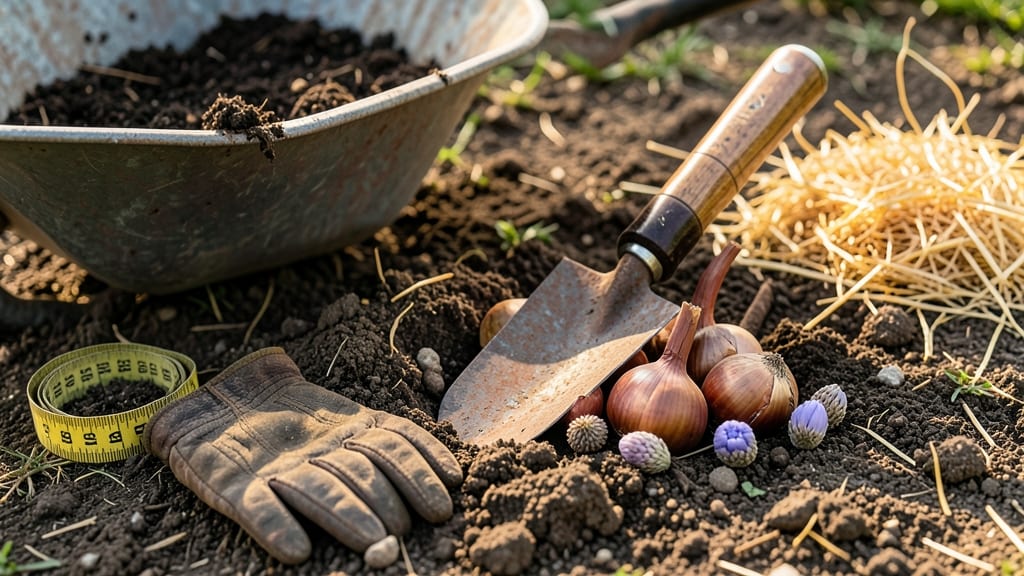
Planting bulbs in Zone 5B at the right time means the difference between a garden bursting with 🌷 Spring Flowering Bulbs and a missed opportunity for next year's blooms.
The secret isn't just about throwing bulbs into the ground—it's about understanding the 6-week window before your first frost that transforms your yard into a springtime masterpiece.
Most gardeners in Zone 5B wait too long, but planting too early can leave bulbs vulnerable to rot. The ideal time falls between September and November, when soil temperatures drop but haven't frozen solid yet.
This timing ensures bulbs establish roots before winter sets in, giving them the head start they need for vibrant spring displays.
Let me show you exactly when to plant your favorite bulbs—whether it's tulips, daffodils, or crocuses—so you can enjoy months of color without the guesswork. We'll cover soil prep, frost considerations, and even how local microclimates can shift your planting schedule by 2-3 weeks.
Ready to turn your fall gardening into a springtime celebration? The key is in the timing—and I've got the exact schedule to make it happen effortlessly.
Zone 5B fall planting timeline for spring-blooming bulbs
In Zone 5B, timing your fall bulb planting correctly ensures vibrant spring blooms year after year. The goal is to plant bulbs 6-8 weeks before the ground freezes, typically between mid-September and mid-November.
This window allows bulbs to establish roots while avoiding early frost damage. Understanding your local last frost date (usually around October 15 in Zone 5B) is key to success.
Soil temperatures play a critical role—bulbs need 40-50°F soil to root properly. In Zone 5B, this usually occurs by late September. If you plant too early, bulbs may sprout prematurely and get damaged by early frost.
Conversely, planting too late limits root growth, leading to weak or sparse blooms.
Here’s a quick reference for your Zone 5B planting schedule, including ideal months, soil conditions, and frost considerations:
| Planting Stage | Action | Ideal Timeframe | Soil Conditions | Notes |
|---|---|---|---|---|
| Soil Preparation | Loosen soil, amend with compost | Late August - Early September | Warm, workable soil (60-70°F) | Improves drainage and root growth |
| Bulb Selection | Choose hardy varieties (tulips, daffodils, crocuses) | September - October | Cool soil (50-60°F) | Prioritize cold-resistant types |
| Planting Depth | 2-3 times bulb height (4-6 inches deep) | Mid-September - Mid-November | 40-50°F soil | Prevents frost heave and rot |
| Spacing | 3-4 times bulb width apart | September - October | Cool, moist soil | Allows airflow and reduces disease |
| Frost Protection | Apply 2-3 inches of mulch | Late October - November | Frozen ground | Insulates bulbs over winter |
| Post-Planting Care | Water deeply after planting | September - October | Moist soil | Encourages root establishment |
For Zone 5B gardeners, the best planting window is typically from mid-September to early November. Early September plantings are ideal for crocuses and snowdrops, which bloom earliest in spring.
Meanwhile, tulips and daffodils can handle slightly later plantings, even into late October, as long as the ground hasn’t frozen.
Adjust your schedule based on microclimates—southern exposures or urban areas may stay warmer longer, while northern slopes or shaded spots freeze earlier. Use a soil thermometer to confirm temperatures before planting.
If your soil is still too warm (above 50°F), wait a few weeks to avoid premature sprouting.
Once planted, mulch heavily with straw or leaves to insulate bulbs from winter temperature swings. This protection is especially critical in Zone 5B, where frost-free dates can vary by weeks. Remove mulch in early spring (around March) to allow sunlight to stimulate growth.
Remember, bulb quality matters. Purchase firm, disease-free bulbs from reputable suppliers. Larger bulbs (size 12 or larger) yield bigger, more robust blooms. Store them in a cool, dry place until planting day to maintain vitality.
With the right timing and care, your Zone 5B garden will reward you with stunning spring displays of tulips, daffodils, and crocuses year after year. Start planning now—your future blooms depend on it! 🌷
Best bulbs to plant in zone 5B and why they thrive
Zone 5B’s cold winters and variable springs make selecting the right bulbs critical for success. The best choices are hardy varieties that tolerate freezing temperatures and thrive in well-draining soil.
These bulbs not only survive but also reward you with vibrant spring displays that brighten up your garden after long winters.
When choosing bulbs for Zone 5B, prioritize native or adapted species like daffodils, tulips, and alliums. These varieties have evolved to handle freeze-thaw cycles and short growing seasons.
Their deep roots also help them access moisture and nutrients even in compacted or rocky soil, common in many Zone 5B landscapes.
Here’s how these top-performing bulbs stack up in terms of cold hardiness, bloom times, and garden impact: